
Large enterprises operate in highly interconnected digital ecosystems where users, devices, applications, and cloud services constantly exchange data. This connectivity improves business efficiency but also increases exposure to cyber risks. As threats become more sophisticated, organizations need structured and intelligent security frameworks to protect their infrastructure. Cisco security solutions deliver a multi-layered and unified approach to protecting large-scale enterprise environments.
Professionals often strengthen their understanding of enterprise identity and access control through Cisco ISE Training, which helps them learn how policy-based security is implemented in real-world network infrastructures.
Understanding Cisco Security Technologies
Cisco security technologies are a set of enterprise-grade solutions designed to protect networks, endpoints, cloud systems, and users from evolving cyber threats. These tools work together to ensure secure communication, controlled access, and continuous threat detection.
Core Purpose of Cisco Security Solutions
Cisco security technologies are designed to:
Secure enterprise networks from internal as well as external threats
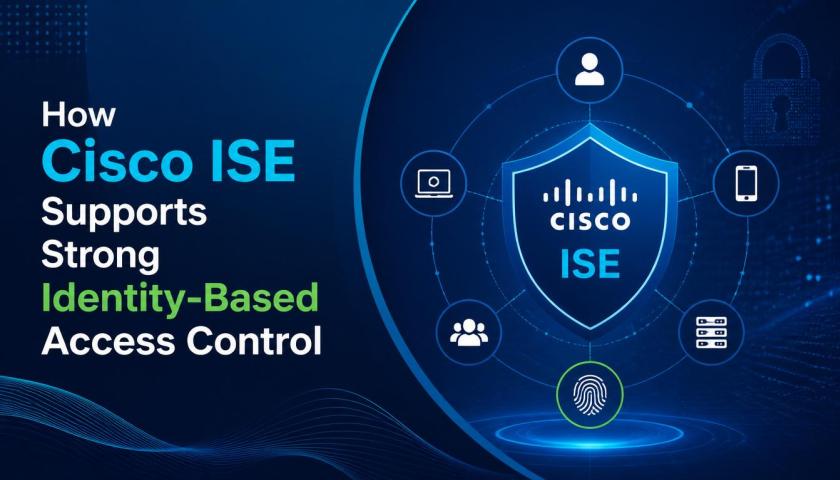
Enable secure identity-based access
Provide deep visibility into network activity
Support automated threat detection and response
Maintain consistent security policies across environments
Why Large Enterprises Need Advanced Security Solutions
Enterprise environments are no longer confined to traditional data centers. They now span multiple platforms and geographies.
Expansion of Digital Infrastructure
Modern enterprises include:
Multi-cloud environments
Remote and hybrid workforces
Branch offices and global locations
IoT and smart devices
SaaS-based applications
Each component increases the potential points of compromise.
Evolving Cyber Threat Landscape
Organizations face continuous threats such as:
Ransomware campaigns
Credential theft and phishing
Insider misuse of access privileges
Advanced persistent threats
Network exploitation attacks
Essential Cisco Security Technologies in Enterprise Infrastructure
Cisco provides a wide ecosystem of security solutions that work together to protect enterprise infrastructure.
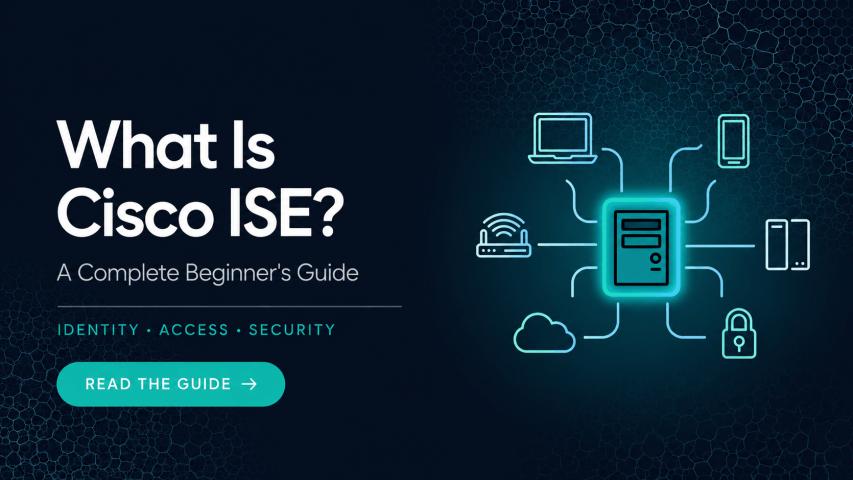
Cisco Identity Services Engine (ISE)
Cisco ISE is a centralized policy-based access control system that governs who and what can access the network.
Key Capabilities
Identity-based authentication
Network access control (NAC)
Device profiling and classification
Policy enforcement based on user roles
Cisco Secure Firewall Solutions
Cisco firewalls provide advanced protection at network entry points and internal segments.
Key Functions
Traffic inspection and filtering
Intrusion prevention capabilities
Application-level visibility
Threat intelligence integration
Cisco Secure Endpoint Protection
Endpoint security ensures that devices connected to enterprise networks remain protected.
Core Features
Detection of malicious behavior
Endpoint isolation during attacks
Continuous monitoring of device activity
Advanced threat containment
Cisco Secure Access Technologies
Secure access solutions protect users connecting from remote or hybrid environments.
Includes
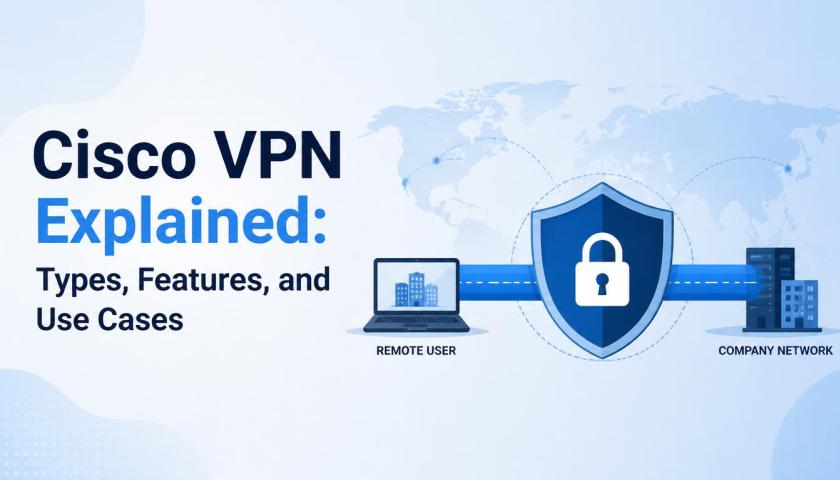
VPN-based secure connectivity
Zero Trust access frameworks
Cloud access security controls
Cisco Network Security Analytics
Analytics tools provide real-time visibility into network activity.
Benefits
Early threat detection
Behavioral analysis of traffic
Identification of anomalies
Security event correlation
Role of Cisco Security in Building Secure Enterprise Architectures
Cisco security technologies are not standalone tools—they function as an integrated ecosystem.
Layered Security Model
Enterprises use multiple layers of protection:
Perimeter security controls
Identity-based access policies
Endpoint protection systems
Network segmentation strategies
Centralized Policy Management
Cisco enables organizations to enforce consistent security rules across all environments.
Advantages
Reduced configuration errors
Faster policy updates
Unified security visibility
Importance of Identity-Based Security in Enterprises
Identity has become the new security perimeter in modern networks.
Role of Cisco ISE in Identity Enforcement
Cisco ISE ensures that every user and device is verified before access is granted.
Key Functions
Authentication and authorization
Context-aware access decisions
Role-based network segmentation
Guest and contractor access control
How Cisco Technologies Secure Hybrid and Cloud Environments
As enterprises adopt hybrid architectures, security must extend beyond traditional boundaries.
Challenges in Hybrid Environments
Inconsistent security policies
Cloud misconfigurations
Distributed access points
Limited visibility across platforms
Cisco Security Approach
Cisco solutions help by:
Extending security policies across cloud and on-premises systems
Enforcing identity-driven access
Monitoring cross-platform traffic
Securing application workloads
Benefits of Cisco Security Technologies for Enterprises
Cisco security solutions provide measurable advantages for large organizations.
Stronger Threat Prevention
Advanced detection systems help identify threats before they impact operations.
Improved Security Visibility
Organizations gain real-time insights into user and network activity.
Reduced Operational Complexity
Automation reduces manual configuration and improves consistency.
Enhanced Access Control
Only verified users and devices are allowed to access enterprise resources.
Better Compliance Management
Cisco security tools help organizations align with regulatory requirements.
Challenges in Enterprise Security Implementation
Despite strong capabilities, enterprises face certain challenges.
Complex Infrastructure Management
Large-scale networks require careful coordination across multiple systems.
Integration with Legacy Systems
Older infrastructure may not fully support modern security frameworks.
Shortage of Skilled Professionals
Effective management of advanced security platforms requires skilled and trained personnel.
Importance of Continuous Security Operations
Cybersecurity is an ongoing responsibility, not a one-time activity.
Key Practices
Continuous monitoring
Real-time threat detection
Security incident response
Log analysis and correlation
Future of Cisco Security in Enterprise Networks
Cisco security technologies continue to evolve with modern cybersecurity trends.
AI-Driven Security Intelligence
Artificial intelligence is increasingly used to:
Detect anomalies faster
Predict potential threats
Automate incident response
Zero Trust Security Model Expansion
Zero Trust ensures that trust is never assumed and must always be verified.
Core Principles
Continuous verification of identity
Least privilege access
Micro-segmentation of networks
Increasing Security Automation
Future enterprise systems will rely heavily on automation for:
Policy enforcement
Threat mitigation
Network defense operations
Career Importance of Cisco Security Skills
Cisco security expertise is highly valued in the global IT industry.
Common Roles
Network Security Engineer
Security Architect
SOC Analyst
Cybersecurity Consultant
Value of Practical Experience
Hands-on understanding of enterprise security systems is essential for real-world application.
Conclusion
Cisco security technologies play a critical role in safeguarding large enterprises by delivering integrated solutions for identity management, threat prevention, and secure network access. With the continuous expansion of digital ecosystems, Cisco ISE Training–experienced professionals are crucial for building secure, scalable, and intelligent enterprise security systems.