Cisco ISE Integration with Active Directory Explained
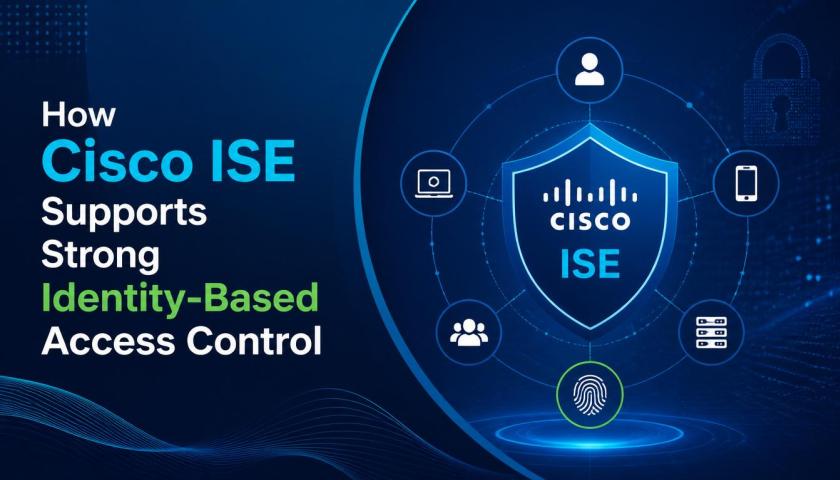
Organizations today require stronger identity-based security to protect enterprise networks from unauthorized access and cyber threats. Businesses implementing secure authentication systems often choose Cisco ISE Certification programs to build advanced security expertise. Professionals looking to strengthen practical implementation skills frequently enroll in Cisco ISE Training in Bangalore to understand real-world deployment strategies and enterprise access control management.
Introduction to Cisco ISE and Active Directory
Modern enterprise environments depend heavily on centralized identity management and secure network access policies. As organizations expand their IT infrastructure, controlling who can access applications, devices, and internal resources becomes increasingly important. This is where Cisco Identity Services Engine (ISE) and Microsoft Active Directory (AD) work together to create a highly secure and manageable authentication framework.
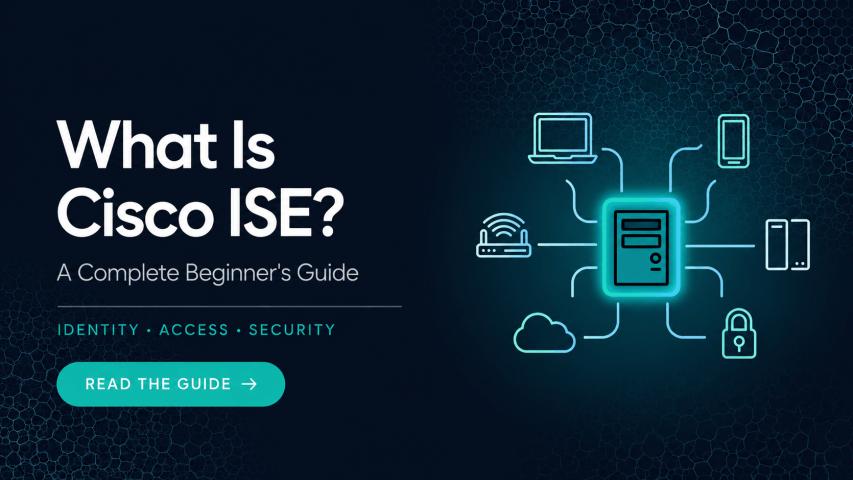
Cisco ISE is a policy-based security platform designed to manage network access, endpoint authentication, device profiling, guest access, and compliance validation. Active Directory, on the other hand, is Microsoft’s directory service used for identity management, authentication, and user authorization within enterprise environments.
When Cisco ISE integrates with Active Directory, organizations gain the ability to authenticate users against centralized domain credentials while enforcing detailed security policies across wired, wireless, and VPN networks.
Understanding Cisco ISE Integration with Active Directory
Cisco ISE integration with Active Directory allows administrators to use existing Windows domain credentials for network authentication. Instead of maintaining separate identity databases, Cisco ISE communicates directly with Active Directory to verify user credentials and group memberships.
This integration enables organizations to:
Centralize user authentication
Simplify identity management
Apply role-based access policies
Improve network visibility
Strengthen endpoint security
Reduce administrative overhead
The combination of Cisco ISE and Active Directory helps businesses create secure, scalable, and policy-driven network environments.
How Cisco ISE Communicates with Active Directory
Cisco ISE connects to Active Directory using domain join operations similar to Windows-based systems. After joining the domain, Cisco ISE can query user information, machine identities, and security group data directly from domain controllers.
Main Communication Components
Authentication Requests
When users attempt to connect to the network, Cisco ISE forwards authentication requests to Active Directory for credential validation.
Group Membership Validation
Cisco ISE retrieves user group information from Active Directory to determine which access policies should be applied.
Machine Authentication
Endpoints joined to the Windows domain can also be authenticated automatically using machine credentials.
Policy Enforcement
Based on AD group membership and predefined security rules, Cisco ISE assigns network permissions and access restrictions.
Benefits of Cisco ISE and Active Directory Integration
Integrating Cisco ISE with Active Directory provides several operational and security advantages for organizations of all sizes.
Centralized Identity Management
Administrators can manage users from a single directory rather than maintaining separate local authentication databases.
Improved Security Policies
Cisco ISE can apply different access rules based on department, role, location, or device type using Active Directory groups.
Simplified User Experience
Employees can use existing Windows credentials for network authentication, reducing password fatigue and login issues.
Enhanced Visibility
Security teams gain better visibility into who is accessing the network and from which devices.
Scalable Network Access Control
The solution supports large enterprise environments with thousands of users and endpoints.
Key Requirements Before Integration
Organizations must ensure several prerequisites are met before integrating Cisco ISE with Active Directory.
Proper DNS Configuration
Cisco ISE must resolve Active Directory domain names correctly using DNS servers.
Time Synchronization
Network Time Protocol (NTP) synchronization is critical because Kerberos authentication depends on accurate system time.
Domain Connectivity
Cisco ISE appliances must communicate with Active Directory domain controllers over required network ports.
Administrative Permissions
A domain account with sufficient privileges is necessary to join Cisco ISE to the Active Directory domain.
Step-by-Step Cisco ISE Active Directory Integration Process
Understanding the integration workflow helps administrators deploy Cisco ISE successfully.
Access the Cisco ISE Administration Portal
Administrators first log in to the Cisco ISE management interface using administrative credentials.
Navigate to External Identity Sources
Within the administration dashboard, Active Directory settings are available under identity management options.
Join the Active Directory Domain
Cisco ISE is configured with:
Domain name
Administrative username
Password
Organizational unit details
Once submitted, Cisco ISE joins the Active Directory domain.
Verify Domain Connectivity
After successful domain join, administrators should confirm communication with domain controllers and verify authentication functionality.
Import Active Directory Groups
Security groups from Active Directory are imported into Cisco ISE for policy mapping and access control.
Configure Authentication Policies
Authentication and authorization rules are then created based on business security requirements.
Authentication Methods Supported by Cisco ISE
Cisco ISE supports multiple authentication protocols for enterprise environments.
802.1X Authentication
This is one of the most widely used methods for securing wired and wireless network access.
MAB Authentication
MAC Authentication Bypass is used for devices that do not support 802.1X authentication.
Web Authentication
Guest users can authenticate using browser-based captive portals managed by Cisco ISE.
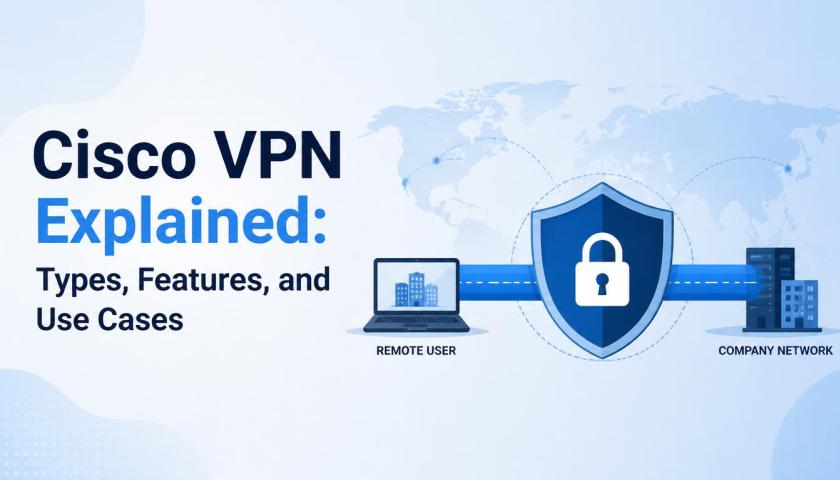
VPN Authentication
Remote users connecting through VPN services can also authenticate against Active Directory through Cisco ISE.
Role-Based Access Control Using Active Directory Groups
One of the strongest advantages of integration is role-based policy enforcement.
Example Scenario
Different departments may receive different access permissions:
HR users access HR applications
Finance users access financial systems
IT administrators receive elevated privileges
Guest users receive internet-only access
Cisco ISE dynamically assigns permissions based on Active Directory group membership.
Common Cisco ISE Integration Challenges
Although integration is highly beneficial, administrators may encounter several technical challenges.
DNS Resolution Problems
Improper DNS settings often prevent Cisco ISE from locating domain controllers.
Time Synchronization Errors
Kerberos authentication failures commonly occur when system clocks are out of sync.
Firewall Restrictions
Blocked ports between Cisco ISE and domain controllers can interrupt authentication traffic.
Certificate Issues
Certificate misconfigurations may impact secure authentication workflows.
Best Practices for Cisco ISE and Active Directory Integration
Following industry best practices improves deployment success and long-term stability.
Use Redundant Domain Controllers
Multiple domain controllers improve availability and authentication reliability.
Implement High Availability for Cisco ISE
Distributed Cisco ISE deployments reduce downtime and improve scalability.
Regularly Review Access Policies
Security policies should be audited frequently to ensure compliance and eliminate unnecessary access.
Monitor Authentication Logs
Continuous monitoring helps identify failed logins, suspicious activity, and configuration issues.
Keep Systems Updated
Regular software updates help protect against security vulnerabilities and compatibility issues.
Industries Benefiting from Cisco ISE Integration
Many industries rely on Cisco ISE and Active Directory integration for stronger identity-based access control.
Healthcare
Hospitals use Cisco ISE to secure medical devices and protect patient information.
Banking and Finance
Financial institutions implement strict authentication controls for regulatory compliance.
Education
Universities manage secure access for students, faculty, and guest users.
Manufacturing
Manufacturing organizations secure industrial systems and operational technology environments.
Future of Identity-Based Network Security
As cyber threats continue evolving, identity-driven security models are becoming essential for enterprise protection. Organizations are increasingly adopting Zero Trust architectures where every user and device must be continuously verified before receiving access permissions.
Cisco ISE integration with Active Directory supports this security approach by enabling centralized identity validation, device profiling, and adaptive access policies across enterprise networks.
Cloud adoption, hybrid work environments, and increasing endpoint diversity will continue driving demand for professionals skilled in Cisco ISE deployment and identity management technologies.
Conclusion
Cisco ISE integration with Active Directory provides organizations with a centralized, scalable, and highly secure method for managing network authentication and access control. By combining Cisco ISE policy enforcement capabilities with Active Directory’s identity management framework, businesses can strengthen cybersecurity, improve user experience, and simplify administrative operations.
The integration supports role-based access control, secure authentication, endpoint visibility, and enterprise-wide policy management across wired, wireless, and remote access environments. As organizations continue prioritizing Zero Trust security strategies, Cisco ISE and Active Directory integration will remain a critical component of modern enterprise network security infrastructure.