How to Prepare for the Fortinet FCX Expert Certification Exam
The demand for advanced cybersecurity professionals is increasing rapidly as organizations continue strengthening their enterprise security infrastructure. Professionals aiming to validate high-level network security expertise often choose the Fortinet FCX Expert Certification path to advance their careers in cybersecurity and enterprise networking. Many learners who explore CCIE Security Training also consider Fortinet certifications to expand their practical security knowledge across multi-vendor environments.
Understanding the Fortinet FCX Expert Certification
The Fortinet FCX Expert Certification is designed for experienced cybersecurity professionals who want to demonstrate expert-level skills in configuring, managing, troubleshooting, and securing complex enterprise networks using Fortinet technologies.
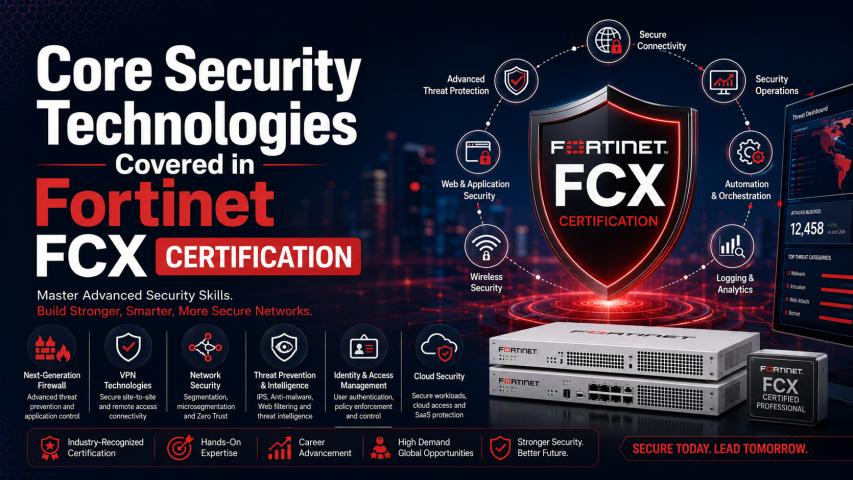
This certification validates deep technical understanding in areas such as:
Advanced network security
Enterprise firewall management
Security operations
VPN implementation
High availability architecture
Security Fabric integration
SD-WAN deployment
Threat protection and analytics
Unlike entry-level cybersecurity certifications, the FCX certification focuses heavily on practical implementation and real-world troubleshooting capabilities.
Why the Fortinet FCX Certification Matters
Organizations across industries rely on secure digital infrastructure to protect business operations and sensitive data. As cyber threats continue evolving, companies seek professionals who can manage sophisticated security environments efficiently.
Key Benefits of Earning the FCX Certification
Career Advancement Opportunities
Certified professionals often gain access to senior-level positions in:
Network security engineering
Security operations
Enterprise infrastructure management
SOC administration
Cybersecurity consulting
Industry Recognition
The FCX certification demonstrates advanced expertise in Fortinet technologies and enterprise-level security deployment.
Improved Technical Skills
Candidates develop stronger capabilities in:
Troubleshooting enterprise security issues
Designing secure architectures
Implementing advanced firewall policies
Managing distributed networks
Higher Earning Potential
Expert-level certifications can strengthen professional credibility and improve opportunities for higher-paying cybersecurity roles.
Understand the FCX Certification Structure
Before beginning preparation, it is important to understand the overall exam structure and expectations.
Written Examination
The written exam evaluates theoretical knowledge related to:
Fortinet Security Fabric
Advanced routing and switching
VPN technologies
Security policies
Authentication systems
Threat detection
Enterprise security management
Practical Lab Examination
The practical exam tests real-world implementation and troubleshooting skills in a live lab environment.
Candidates are expected to:
Configure enterprise security solutions
Resolve network and security issues
Optimize security infrastructure
Deploy advanced Fortinet technologies
The lab section requires strong analytical thinking and hands-on expertise.
Gain Strong Hands-On Experience
Practical expertise is one of the most important aspects of FCX exam preparation.
Build a Home Lab Environment
Creating a personal lab environment allows candidates to practice real-world scenarios safely.
Recommended Lab Components
FortiGate virtual appliances
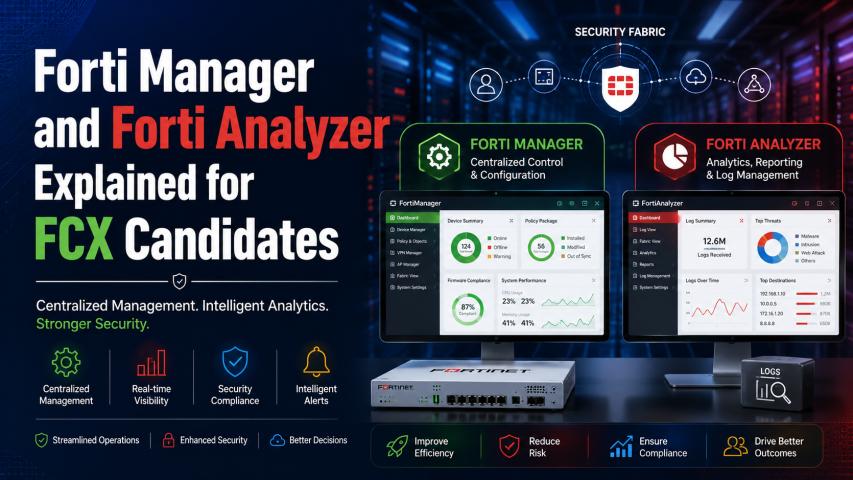
FortiManager
FortiAnalyzer
Virtual switches and routers
Multiple client machines
Simulated WAN environments
A lab environment helps candidates understand actual deployment workflows and troubleshooting methods.
Practice Real Enterprise Scenarios
Focus on advanced tasks such as:
Site-to-site VPN configuration
SSL VPN deployment
High availability failover
Security policy optimization
Dynamic routing implementation
Traffic shaping
Multi-VDOM configuration
The more practical exposure candidates gain, the more comfortable they become during the lab examination.
Master Core Technical Topics
Success in the FCX exam requires strong understanding of several advanced networking and security concepts.
Advanced Routing and Switching
Candidates should be comfortable with:
Dynamic Routing Protocols
OSPF
BGP
Static routing
Route redistribution
Network Segmentation
Understanding VLANs, interfaces, and traffic isolation is essential for enterprise security design.
VPN Technologies
Secure connectivity is a major component of modern enterprise infrastructure.
Important VPN Areas
IPsec VPN
Candidates must understand:
Tunnel establishment
Encryption methods
Authentication mechanisms
VPN troubleshooting
SSL VPN
Preparation should include:
Remote access deployment
User authentication
Security policy integration
SD-WAN and Traffic Management
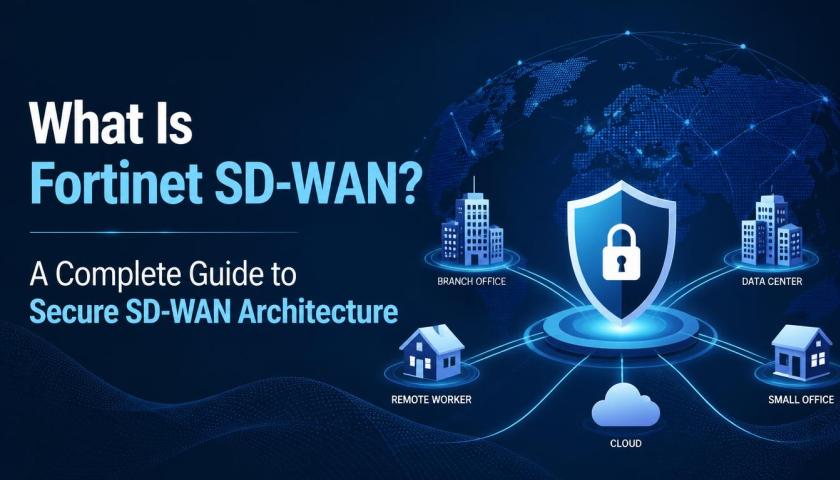
Modern organizations increasingly use SD-WAN for performance optimization and secure branch connectivity.
Key Areas to Study
WAN link balancing
Application-based routing
SLA monitoring
Failover mechanisms
Traffic prioritization
Hands-on SD-WAN practice is highly recommended.
Security Fabric and Automation
Fortinet Security Fabric is an important part of enterprise security architecture.
Focus Areas
Security Integration
Learn how Fortinet products communicate and share threat intelligence.
Automation Features
Understand:
Automated threat response
Security orchestration
Event-based automation
API integration basics
These concepts are frequently used in enterprise deployments.
Improve Troubleshooting Skills
Troubleshooting is one of the most critical skills evaluated during the practical exam.
Develop a Systematic Approach
Instead of guessing solutions, candidates should learn structured troubleshooting methods.
Recommended Troubleshooting Process
Identify the issue
Verify configurations
Analyze logs
Check routing paths
Validate security policies
Test connectivity
Confirm resolution
Learn to Read Logs Efficiently
FortiAnalyzer and FortiGate logs provide valuable insights into network behavior and security events.
Candidates should practice identifying:
VPN failures
Policy mismatches
Routing issues
Authentication problems
Traffic anomalies
Use Official Learning Resources
Reliable study materials can improve preparation quality significantly.
Recommended Study Resources
Official Documentation
Fortinet documentation provides detailed technical explanations and configuration examples.
Training Courses
Professional instructor-led training can help candidates understand advanced concepts more efficiently.
Practice Labs
Hands-on labs improve technical confidence and implementation accuracy.
Community Forums
Technical forums and study communities often share troubleshooting tips and practical insights.
Take Mock Exams Regularly
Mock tests help candidates evaluate their preparation level before the actual examination.
Benefits of Practice Exams
Improve time management
Identify weak areas
Build confidence
Simulate real exam pressure
Candidates should review incorrect answers carefully and revisit weaker topics consistently.
Time Management During the Practical Exam
Many technically skilled candidates struggle because of poor time allocation.
Practical Time Management Tips
Prioritize Easier Tasks First
Completing straightforward configurations early helps secure marks quickly.
Avoid Spending Excessive Time on One Issue
If a problem becomes time-consuming, move forward and revisit it later.
Verify Configurations Frequently
Small configuration errors can create larger issues later in the lab.
Maintaining a calm and organized workflow is extremely important during the exam.
Common Mistakes to Avoid
Understanding common preparation errors can help candidates improve their success rate.
Ignoring Practical Labs
Reading theory alone is not enough for expert-level certifications.
Memorizing Without Understanding
Candidates should focus on understanding concepts instead of memorizing commands blindly.
Lack of Troubleshooting Practice
Many exam tasks involve diagnosing and fixing existing problems.
Inconsistent Preparation
Regular practice is far more effective than last-minute intensive studying.
Career Opportunities After FCX Certification
The FCX certification can open opportunities in multiple cybersecurity and networking domains.
Popular Job Roles
Network Security Engineer
Cybersecurity Consultant
SOC Analyst
Security Architect
Infrastructure Engineer
Enterprise Security Specialist
Industries such as banking, healthcare, cloud services, telecom, and IT consulting actively seek advanced security professionals.
Conclusion
Preparing for the Fortinet FCX Expert Certification exam requires a combination of technical knowledge, practical implementation skills, structured study planning, and consistent troubleshooting practice. Candidates who focus on real-world lab experience, advanced enterprise networking concepts, and hands-on security deployment are more likely to succeed in this challenging certification path. With growing demand for cybersecurity professionals worldwide, earning the FCX certification can strengthen career opportunities, improve technical expertise, and establish long-term credibility in enterprise security and network infrastructure management.