In any small business, getting paid on time is as important as providing a great product or service. That’s where the best billing software comes into play. When you choose the right tool, you’re not just generating invoices—you’re building a disciplined financial workflow that saves time, reduces errors, and improves cash flow. This guide explores why billing software matters for small businesses, what features to prioritize, and how to pick a solution that fits your needs today and as you grow.
Why billing software matters for small businesses
Every business processes dozens, sometimes hundreds, of invoices each month. Manual invoicing is prone to human error, delays, and lost payments. Billing software automates core tasks so you can focus on core operations. It helps you send professional invoices, chase late payments with friendly reminders, and reconcile receipts automatically. For small teams, the impact can be dramatic: faster payments, less administrative dragging, and clearer financial visibility that supports smarter decisions.
Key features to look for in the best billing software
Invoicing and payment automation: Create and send custom invoices quickly, with support for multiple currencies if you serve international clients.
Recurring billing and subscriptions: If you work with ongoing retainers or memberships, choose software that handles recurring invoices without manual intervention.
Payment gateways and security: Seamless integrations with popular gateways (credit card, ACH, e-wallets) and strong encryption protect your data.
Reminders and late-payment workflows: Automated reminders reduce chasing time while preserving client relationships.
Reporting and insights: Dashboards that show aging receivables, cash flow forecasts, and unit economics help you plan smarter.
Client management and quotes: A unified view of clients, project milestones, and quotes that convert to invoices with one click.
Tax compliance and audit trails: Clear tax calculations, receipts, and an immutable audit trail simplify bookkeeping and taxes.
Ease of use and onboarding: Intuitive interfaces, helpful onboarding, and responsive support reduce friction for small teams.
Integrations: Connect with your accounting software, CRM, e-signature tools, and e-commerce platforms to avoid data silos.
How to evaluate billing software for your business size and industry
Map your cash flow rhythm: Do you bill monthly, weekly, or on milestones? Ensure the tool supports your cadence and can scale as you add clients.
Consider your client mix: If you serve freelancers, contractors, or B2B clients, the ability to issue pro formas, retainers, or volume discounts can be a differentiator.
Assess automation needs: If you want fewer manual steps, prioritize recurring billing, auto-reminders, and automatic reconciliation features.
Check for compliance and security: Look for PCI-DSS compliance, data encryption, and secure access controls to protect sensitive financial data.
Review pricing structure: Some tools charge per invoice, per user, or offer flat-rate plans. Choose a model that best aligns with your invoicing volume.
Real-world benefits you can expect
Reduced time spent on admin: Automating invoicing and reminders frees up hours each week.
Improved cash flow: Timely reminders and easy payment options accelerate collections.
Fewer errors: Digital calculations and auto-reconciliation minimize human mistakes.
Better client experience: Clear, professional invoices and convenient payment options enhance trust.
Scalable growth: As you add clients or services, a solid billing system keeps your finances organized without a steep learning curve.
Tips for a smooth transition to new billing software
Prepare data clean-up: Export current invoices, client data, and payment history, then clean duplicates or outdated records.
Run a parallel test: Use a sandbox or trial period to generate a few invoices and verify accuracy before going live.
Train your team: Short training sessions on sending invoices, setting up reminders, and viewing reports ensure quick adoption.
Plan a phased rollout: Start with core features (invoicing and payments) before adding subscriptions, approvals, or multi-user access.
Establish a go-live checklist: Confirm gateway connections, tax rules, and backup procedures to avoid disruptions.
A practical workflow example you can implement today
Create a master client list with contact details and billing preferences.
Set up fixed-term and milestone-based projects with corresponding invoice templates.
Activate automated payment reminders at strategic intervals (e.g., due date, 3 days past due, 7 days past due).
Schedule a monthly cash-flow report to review aging, outstanding balances, and forecasted revenue.
Integrate with your accounting software to automatically post payments and reconcile books.
Choosing the right billing software for your small business
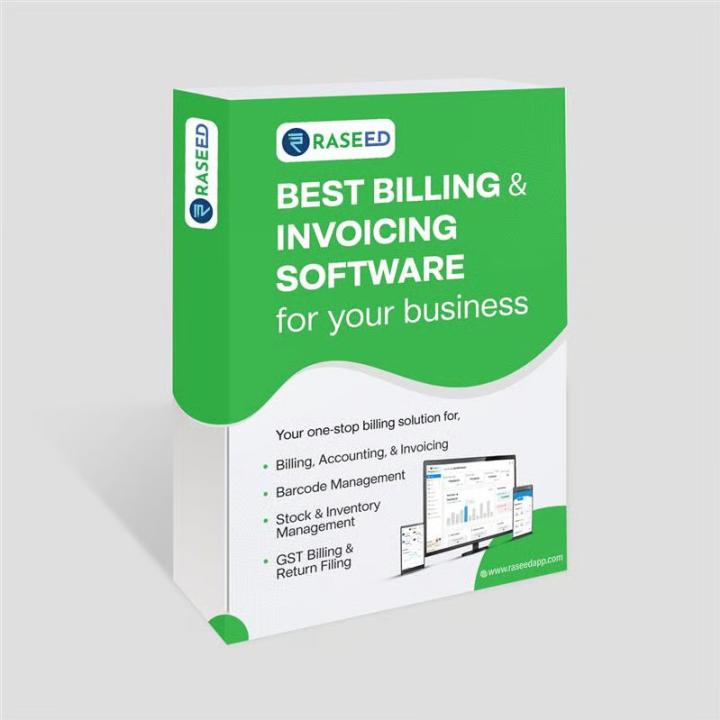
While there are many options, the best choice should align with your business model, team size, and budget. For a growing small business, look for a platform that balances ease of use with robust automation. The right solution not only helps you get paid faster but also provides valuable financial insights that guide pricing, client segmentation, and service offerings. If your current system feels clunky or time-consuming, it’s worth exploring a modern billing platform that can streamline processes and scale with you.
Conclusion
Selecting the best billing software for small businesses is a strategic decision that impacts cash flow, client experience, and internal efficiency. Prioritize automation, recurring billing capabilities, secure payments, and insightful reporting to unlock smoother operations and sustainable growth. With the right tool, you can focus more on delivering value to clients and less on chasing invoices.