Startups move fast, but growth is often slowed down by limited time, small teams, and too many manual tasks.
That is why SEO automation and AI have become essential for modern startup marketing. When used well, they help founders and teams work faster, stay organised, and build long-term visibility without burning out.
For many startups, SEO still feels like a slow channel. It takes research, planning, writing, publishing, optimisation, tracking, and updating. But the process does not have to be fully manual anymore. With the right systems, much of the repetitive work can be automated, while the strategy and creativity stay human. That balance is what makes SEO much more practical for small teams in 2026.
Why startups need smarter SEO systems?
A startup cannot afford to waste time on scattered marketing. Every hour matters, and every decision should support growth. SEO is powerful because it compounds over time, but only when the process is consistent. A smart system helps a startup find the right topics, create useful content, and measure results without depending on constant manual effort.
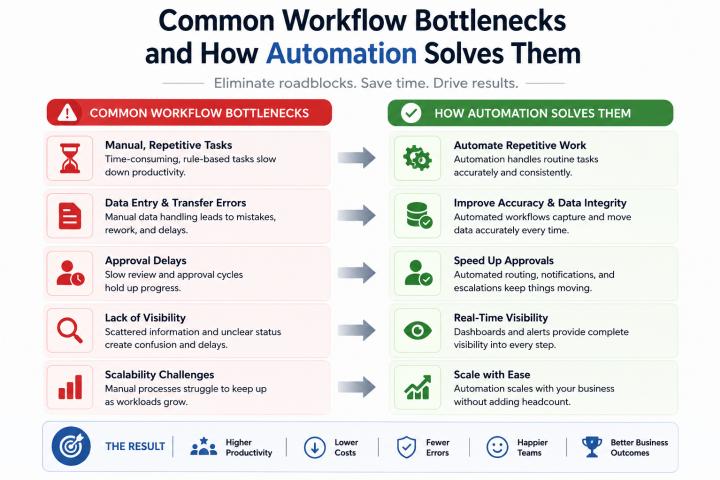
One of the biggest advantages of automation is speed. Keyword research, topic clustering, rank tracking, content audits, and reporting can all be streamlined. Instead of spending hours collecting data, the team can spend more time using it. That means faster execution and better decisions.
AI also helps by reducing friction in content production. It can support article outlines, summarise research, generate content ideas, and help teams identify gaps in their content strategy. For lean startups, that kind of support can be very valuable.
Where AI creates real value?
AI works best when it is used as a helper, not as a replacement for thinking. In SEO, that means using AI to accelerate research, planning, and analysis. It can help a startup understand what customers are searching for, what competitors are publishing, and how to structure content for better intent matching.
For example, if a startup is building a product in a crowded niche, AI can help identify the questions people ask before making a purchase. Those questions can then be turned into blog topics, landing page sections, FAQ pages, or comparison articles. This gives the business more chances to appear in search results and educate potential customers.
AI can also help improve content workflows. A marketer can use it to build rough drafts faster, but the final article should still be edited by a human who understands the product, the market, and the audience. Search engines and readers both value originality, clarity, and practical usefulness. That is why the best results come from combining AI with real expertise.
Automation makes SEO sustainable
SEO becomes much easier when repetitive work is systematised. A startup team should not have to manually check rankings every day, copy data into spreadsheets, or remember every technical issue on its own. Automation can handle many of those tasks in the background.
This is where an AI server management tool can support a startup’s broader operations. While SEO teams focus on content and visibility, infrastructure, tracking, and workflow control still matter in the background. Tools that improve operational efficiency can reduce friction across the entire system, especially when a startup is juggling content publishing, analytics, and product updates at the same time.
Automation is also useful for content maintenance. Many startups publish articles and then forget them. That leads to outdated information, broken links, and missed ranking opportunities. A better workflow includes scheduled content refreshes, internal link checks, and performance monitoring. Over time, that keeps the content library healthy and competitive.
A practical SEO workflow for startups
A startup does not need a complicated SEO system to get started. It just needs one that is clear and repeatable.
A simple workflow looks like this:
Define the target audience and the problem they care about.
Research the search terms they use.
Group those terms into themes and topic clusters.
Create content that answers real questions.
Add internal links to guide readers through related pages.
Track results using automated reporting.
Refresh the content based on performance.
This approach works because it keeps SEO tied to business goals. Instead of publishing random blog posts, the startup builds a content system around customer intent. That makes it easier to attract relevant traffic and convert readers into leads.
The role of human expertise
Even in an AI-driven workflow, human judgment remains the most important part. AI can help draft content, but it cannot replace experience, nuance, or strategic thinking. A strong SEO article needs more than keywords. It needs insight, structure, and credibility.
That is especially true for startups that sell complex products or services. Readers want to know not just what the product does, but why it matters and how it solves a real problem. Human writers can bring that context into the article in a way AI cannot do alone.
A good example is working with a Freelance AI SEO Expert who understands both search strategy and practical business growth. Someone with that background can connect technical SEO, content planning, and AI workflows into one coherent system. That is much more effective than treating each part separately.
Common mistakes startups make
One common mistake is publishing too much generic content. If every article sounds the same, it will not stand out in search. Another mistake is focusing only on rankings and ignoring whether the content actually helps the business.
Some startups also overuse AI and publish content without editing it properly. That creates weak articles that may look complete but do not offer real value. The result is poor engagement, low trust, and weak performance over time.
Another issue is failing to connect SEO with the rest of the business. Content should support product education, lead generation, and brand authority. If it does not, the effort may create traffic but not revenue. That is why strategic planning matters as much as execution.
Building long-term authority
Startups that succeed with SEO usually think in systems, not isolated posts. They build topic clusters, update old pages, strengthen internal linking, and keep improving based on real data. This creates a strong foundation that can keep producing results long after the content is published.
Authority also comes from consistency. A single article can bring attention, but a well-organised content library builds trust. When readers see that your site covers a topic deeply and clearly, they are more likely to view your brand as credible. That is especially important for young companies that need to earn trust quickly.
Guest posting can support that process too, as long as it is done naturally. A good guest post should teach something useful, not just place links. When the article is valuable, the links feel like part of the conversation instead of an obvious promotion.
Final thoughts
SEO automation and AI are not shortcuts. They are tools that help startups work smarter, reduce waste, and grow with more consistency. When paired with a human strategy, they can turn a small content team into a much stronger growth engine.
The best startup marketing systems are built on clarity, repetition, and useful content. Automation handles the repetitive tasks. AI speeds up the thinking process. Human expertise keeps the work relevant and trustworthy. Together, they create a structure that can scale.
For founders, marketers, and consultants, this is one of the most practical ways to compete in 2026. The startups that win will not be the ones doing everything manually. They will be the ones building systems that help them move faster without losing quality.