If you want long-term, sustainable traffic for your online store, mastering Shopify SEO is essential. Paid ads can bring quick results, but once you stop spending, the traffic disappears. With strong SEO, your Shopify store can continue attracting customers every day without ongoing ad costs.
This guide explains how Shopify SEO works and how you can use it to improve visibility, rankings, and sales.
Understanding Shopify SEO
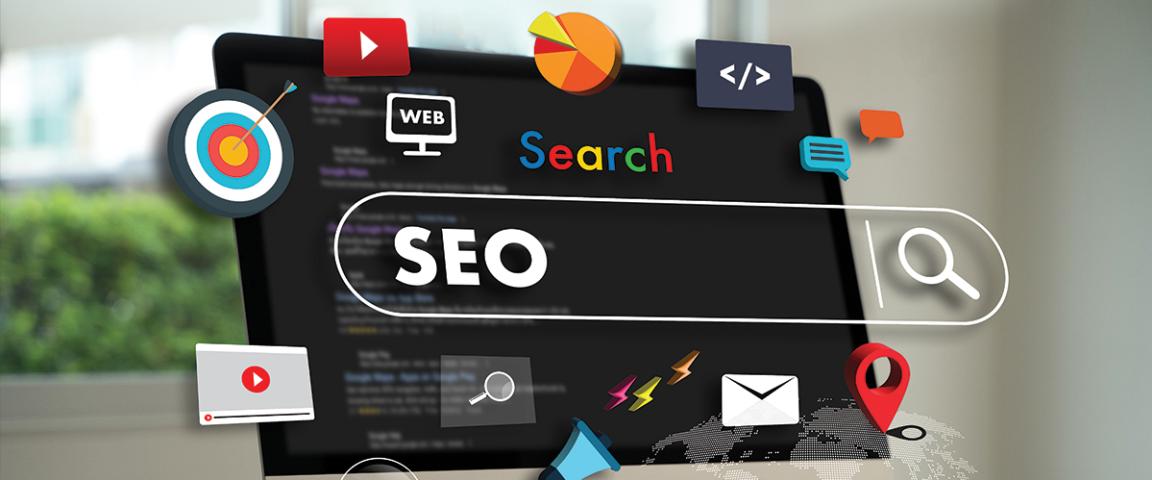
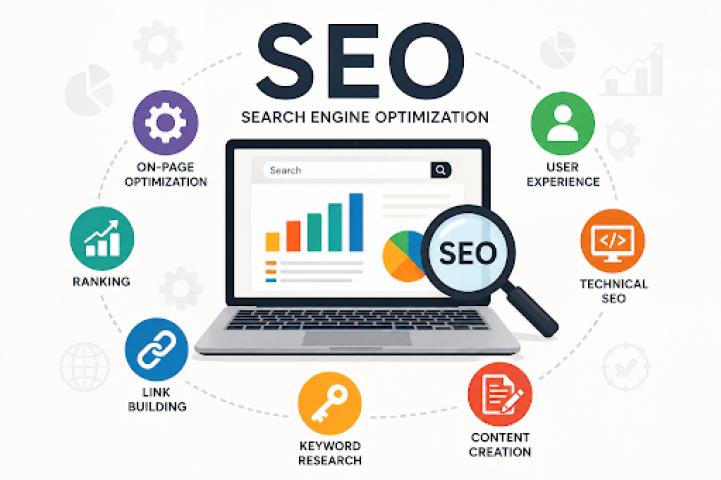
Shopify SEO is the process of optimizing your Shopify store so it appears higher in search engine results like Google. It focuses on improving your store’s content, structure, speed, and authority so search engines can better understand and rank your pages.
Shopify is designed with built-in SEO features, but real success comes when store owners actively optimize their content and product pages.
You can explore the platform here:
Why Shopify SEO Is Important
Strong Shopify SEO helps your business in multiple ways:
- Brings free, organic traffic from search engines
- Increases product visibility for ready-to-buy customers
- Builds trust and credibility for your brand
- Reduces dependency on paid advertising
- Creates long-term, compounding growth
Unlike social media marketing, SEO traffic continues growing over time if your store is optimized correctly.
Keyword Optimization in Shopify SEO
Keywords are the foundation of Shopify SEO. They help search engines understand what your pages are about and match them with user searches.
For better results:
- Use product-related keywords in titles and descriptions
- Add long-tail keywords that match customer intent
- Naturally include the keyword Shopify SEO in blog content
- Avoid keyword stuffing, as it can harm rankings
Well-researched keywords ensure your store appears in front of the right audience.
Product Page Optimization
Your product pages are the most important part of Shopify SEO success. Each page should be designed to clearly describe the product while also helping search engines understand its relevance.
Focus on:
- Clear, descriptive product titles
- Unique product descriptions instead of copied content
- Keyword-rich but natural writing
- High-quality images with optimized alt text
- Customer reviews to increase trust and engagement
Well-optimized product pages significantly improve Shopify SEO performance.
Content Marketing for Shopify SEO
Content plays a powerful role in improving your store’s visibility. Writing helpful blog content allows you to target informational searches and bring in new audiences.
Content ideas include:
- Product comparisons
- Buying guides
- Industry tips and trends
- Educational articles related to your niche
Using Shopify SEO naturally within blog content helps search engines associate your store with relevant queries.
Technical Optimization for Better Rankings
Behind-the-scenes improvements also matter in Shopify SEO. A fast and clean website improves both user experience and search rankings.
Important areas include:
- Fast loading speed across all devices
- Mobile-friendly design
- Clean URL structure
- Proper internal linking between pages
- Minimal unnecessary apps to improve performance
A technically strong store makes it easier for search engines to crawl and index your content.
Building Authority Through Backlinks
Authority is a major ranking factor in Shopify SEO. Backlinks—links from other websites to your store—signal trust and credibility to search engines.
You can build backlinks through:
- Guest posting on relevant blogs
- Collaborations with influencers
- Publishing valuable, shareable content
- Getting listed in niche directories
The more quality backlinks your store has, the stronger your SEO position becomes.
Final Thoughts
Shopify SEO is one of the most powerful long-term growth strategies for any e-commerce business. Instead of relying only on ads, SEO helps you build consistent organic traffic and sustainable sales.