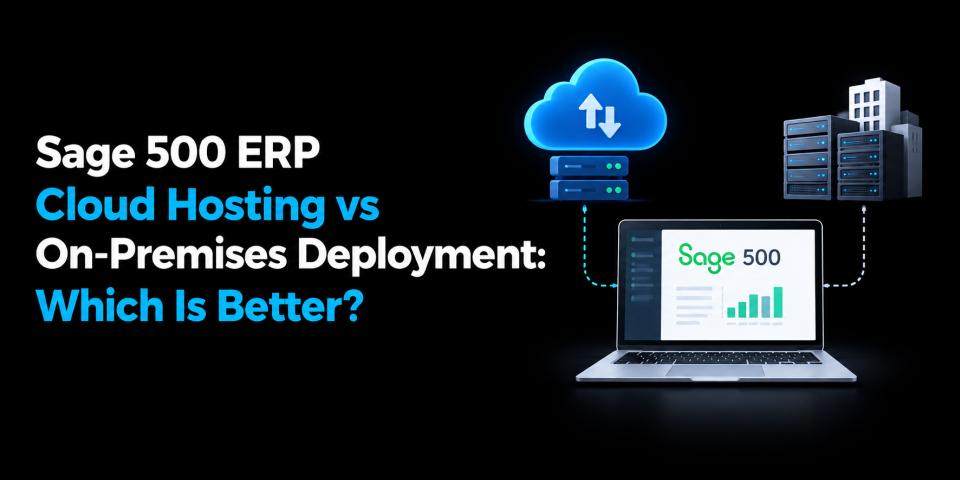
Businesses are increasingly choosing to migrate sage 50 to cloud environments to improve accessibility, collaboration, and operational flexibility. Whether a company wants remote access to accounting data or plans to modernize its workflow, cloud migration offers several advantages. However, the transition is not always straightforward. Before starting a project to migrate sage 50 to cloud, organizations should understand the common challenges that may arise and how to address them effectively. Many users searching for guidance on migrate sage 50 to cloud +1 (844) 341-4437 or 1-800-446-8848 often want to know what obstacles they may encounter during the process.
Understanding the Move to the Cloud
Moving accounting software from a local desktop environment to a cloud-hosted setup changes the way users access, manage, and protect business data. While the cloud offers convenience, businesses should carefully evaluate technical requirements, user expectations, and operational impacts before migration begins.
Data Migration Complexity
One of the most common challenges when companies migrate sage 50 to cloud is transferring accounting data accurately. Sage 50 databases often contain years of financial records, customer information, vendor details, payroll data, and inventory records.
Potential issues include:
- Incomplete data transfer
- Corrupted files during migration
- Missing historical transactions
- Damaged company files
- Incorrect financial balances
A detailed backup and validation process is essential before moving any data to a cloud environment.
Compatibility Concerns
Not every system environment is configured the same way. Businesses frequently discover compatibility issues during cloud migration.
Common compatibility challenges include:
- Older Sage 50 versions
- Outdated operating systems
- Unsupported third-party integrations
- Custom reporting tools
- Legacy accounting workflows
Organizations should verify that all applications and integrations will function properly in the cloud-hosted environment before migration begins.
Internet Dependency
A desktop installation can often operate without continuous internet access. Once you migrate sage 50 to cloud, internet connectivity becomes a critical component of daily operations.
Possible concerns include:
- Slow internet speeds
- Network interruptions
- Remote connection delays
- Reduced productivity during outages
Companies operating in locations with inconsistent connectivity should evaluate their network infrastructure before transitioning.
Security and Data Protection Challenges
Cloud platforms generally provide strong security measures, but migration introduces new security considerations.
Security risks may include:
- Improper user permissions
- Weak password practices
- Unauthorized access attempts
- Data exposure during transfer
- Inadequate backup procedures
Businesses should establish access controls and security policies before cloud deployment.
User Training Requirements
Employees who have worked with local Sage 50 installations for years may require time to adapt to a cloud-hosted environment.
Training challenges often involve:
- Learning remote login procedures
- Understanding cloud workflows
- Accessing shared resources
- Managing permissions
- Navigating hosted environments
Without proper preparation, user resistance can slow adoption and create operational delays.
Performance Issues
Many businesses expect immediate performance improvements when they migrate sage 50 to cloud. While cloud hosting can improve accessibility, performance depends on several factors.
Performance limitations may result from:
- Network latency
- Insufficient cloud resources
- Large company files
- Simultaneous user activity
- Poor workstation configurations
Testing performance before full deployment helps identify potential bottlenecks.
Multi-User Access Complications
One reason organizations choose cloud hosting is improved collaboration. However, multi-user environments can introduce their own challenges.
Examples include:
- User conflicts
- Simultaneous record edits
- Session interruptions
- Permission management issues
- Locking conflicts within accounting records
Proper user management policies help minimize these problems.
Backup and Recovery Planning
Many companies assume cloud hosting automatically eliminates backup responsibilities. This misunderstanding can create significant risk.
Important considerations include:
- Backup frequency
- Data retention policies
- Disaster recovery planning
- Recovery testing
- File restoration procedures
A comprehensive backup strategy remains important even after cloud migration.
Cost Management Challenges
While cloud hosting reduces some infrastructure expenses, organizations may encounter unexpected costs.
Potential expenses include:
- Hosting subscriptions
- Additional storage requirements
- User licensing fees
- Migration services
- Ongoing maintenance costs
Budget planning should include both immediate and long-term expenses.
Customization Limitations
Businesses often rely on custom workflows, reports, and integrations built around their existing Sage 50 environment.
When attempting to migrate sage 50 to cloud, some customizations may not function exactly as expected.
Possible challenges include:
- Report modifications
- Third-party software compatibility
- Specialized workflows
- Industry-specific applications
- Customized templates
Testing these components before deployment reduces disruption.
Downtime During Migration
Migration projects can sometimes require temporary service interruptions.
Downtime risks may involve:
- Restricted access to accounting records
- Delayed invoicing
- Payroll processing interruptions
- Reduced staff productivity
- Reporting delays
A structured migration schedule helps minimize business impact.
Compliance and Regulatory Requirements
Certain industries must follow strict requirements for storing financial information.
Before organizations migrate sage 50 to cloud, they should review:
- Data retention regulations
- Industry compliance standards
- Audit requirements
- Geographic data storage rules
- Internal governance policies
Failing to address compliance concerns early can create future operational challenges.
Access Management Challenges
Cloud environments provide flexibility, but managing user access becomes increasingly important.
Common access concerns include:
- Excessive permissions
- Shared user accounts
- Forgotten credentials
- Unauthorized modifications
- Inconsistent role assignments
Role-based access management helps maintain security and accountability.
Large Company File Issues
Organizations with extensive transaction histories often encounter challenges when moving large Sage 50 databases.
Problems may include:
- Extended upload times
- Performance degradation
- Synchronization delays
- Backup inefficiencies
- Longer maintenance windows
Database optimization before migration can improve results significantly.
Integration Challenges
Modern businesses frequently connect Sage 50 with other systems.
Examples include:
- Payroll applications
- CRM platforms
- Inventory systems
- E-commerce solutions
- Reporting software
When companies migrate sage 50 to cloud, these integrations should be thoroughly tested to ensure uninterrupted workflows.
Planning and Project Management Difficulties
Successful migration requires careful planning and execution.
Common project challenges include:
- Undefined migration goals
- Inadequate testing
- Poor communication
- Limited user involvement
- Insufficient documentation
Organizations that create detailed migration plans generally experience smoother transitions.
Key Steps to Reduce Migration Challenges
Evaluate Existing Systems
Conduct a complete review of:
- Current Sage 50 version
- Company file health
- Network readiness
- User requirements
- Integrated applications
Create Reliable Backups
Maintain multiple backup copies before migration begins.
Test Before Deployment
Run pilot migrations and verify:
- Data accuracy
- Application functionality
- User access
- Reporting capabilities
- Performance levels
Train Employees
Provide guidance on:
- Cloud access procedures
- Security practices
- Workflow changes
- Collaboration features
Monitor Post-Migration Performance
After deployment, continuously review:
- System speed
- User activity
- Security logs
- Backup status
- Application performance
Conclusion
The decision to migrate sage 50 to cloud can provide improved accessibility, flexibility, and collaboration opportunities for growing businesses. However, organizations should be aware of the challenges that may arise during the transition. Data migration concerns, compatibility issues, security considerations, user training requirements, performance limitations, and integration complexities are among the most common obstacles encountered during cloud adoption.
By planning carefully, testing thoroughly, and preparing users in advance, businesses can reduce risks and improve the likelihood of a successful migration. Companies researching migrate sage 50 to cloud +1 (844) 341-4437 or 1-800-446-8848 should focus on understanding these potential challenges before beginning their cloud journey. With the right preparation, organizations can confidently migrate sage 50 to cloud +1 (844) 341-4437 or 1-800-446-8848 while maintaining operational continuity and data integrity.