
The global motorcycle helmet market was valued at USD 4.15 billion in 2025 and is expected to grow from USD 4.35 billion in 2026 to USD 6.33 billion by 2034, registering a compound annual growth rate (CAGR) of 4.8% during the forecast period from 2026 to 2034. Growth in the market is being driven by increasing road safety awareness, rising motorcycle sales across developed and emerging economies, and ongoing technological advancements in helmet design and functionality.
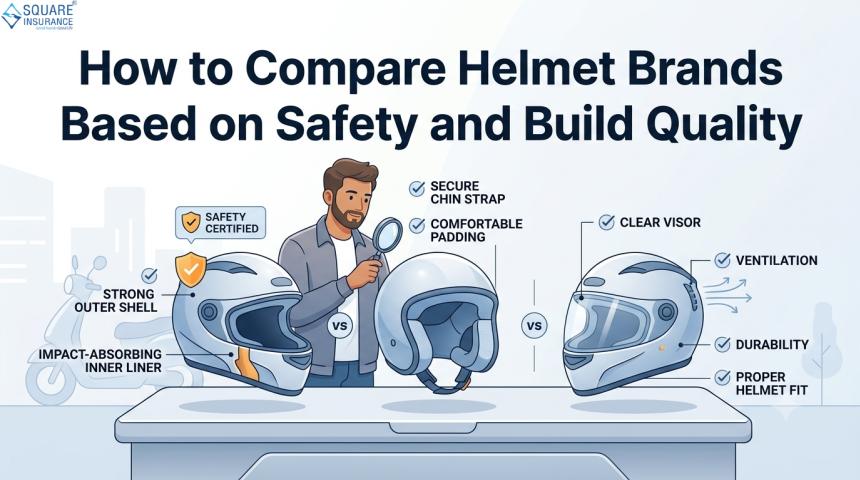
Motorcycle helmets remain one of the most important safety devices for riders, providing critical protection against head injuries during traffic accidents. Designed with impact-absorbing inner liners and durable outer shells, modern helmets help reduce the severity of injuries and improve rider safety. As governments, safety organizations, and consumers place greater emphasis on accident prevention and personal protection, demand for high-quality motorcycle helmets continues to increase worldwide.
Market Overview
The motorcycle helmet industry is evolving beyond traditional protective equipment into a technology-driven safety segment. Manufacturers are increasingly incorporating advanced materials, integrated communication systems, navigation displays, cameras, and connectivity features into helmet designs. These innovations are transforming consumer expectations and creating new opportunities for premium product categories.
The market is also benefiting from growing motorcycle ownership across urban and rural regions. Rising fuel costs, increasing traffic congestion, and the affordability of two-wheelers have encouraged consumers to adopt motorcycles as a practical mode of transportation. As motorcycle usage expands globally, demand for certified and reliable protective gear is expected to follow a similar trajectory.
Growth Drivers
One of the primary factors supporting market growth is the increasing number of road accidents involving motorcycles and other two-wheeled vehicles. Governments and transportation authorities continue to promote helmet usage as a critical safety measure to reduce fatalities and serious head injuries. Public awareness campaigns, mandatory helmet regulations, and stricter traffic enforcement have contributed to higher helmet adoption rates across multiple regions.
The effectiveness of helmets in reducing injury severity has reinforced their importance among riders. As road safety becomes a growing public concern, consumers are increasingly prioritizing protective equipment, driving consistent demand across both commuter and recreational motorcycle segments.
Technological innovation is another major growth catalyst. Manufacturers are introducing helmets equipped with advanced features such as Bluetooth connectivity, integrated cameras, voice communication systems, navigation assistance, and head-up displays. These innovations enhance rider convenience while improving safety and situational awareness.
The emergence of smart helmets has created a new category within the market, attracting technology-oriented consumers seeking multifunctional riding equipment. As digital connectivity becomes a standard expectation among consumers, helmet manufacturers are expected to continue investing in intelligent and connected solutions.
Industry Trends
A significant trend shaping the market is the growing demand for premium and technologically enhanced helmets. Consumers are increasingly seeking products that combine safety, comfort, aesthetics, and digital functionality. Lightweight materials such as carbon fiber, advanced ventilation systems, anti-fog visors, and integrated communication technologies are becoming key differentiators in the competitive landscape.
Sustainability is also emerging as an important focus area. Environmentally conscious consumers are encouraging manufacturers to explore sustainable materials and production methods. Companies are increasingly evaluating recyclable components, lightweight composites, and resource-efficient manufacturing technologies to reduce environmental impact while maintaining product performance.
Additionally, customization and design innovation are gaining prominence. Riders increasingly view helmets as both safety equipment and personal life>
Market Challenges
Despite favorable growth prospects, the motorcycle helmet market faces several challenges. One of the most significant concerns is the growing availability of counterfeit and low-quality helmets. These products are often sold at significantly lower prices and may fail to meet established safety standards, posing serious risks to rider safety.
Counterfeit products not only undermine consumer confidence but also create competitive pressure for legitimate manufacturers that invest in certified safety testing and quality assurance processes. The challenge is particularly pronounced in price-sensitive markets where consumers may prioritize affordability over certification and quality standards.
The rapid growth of e-commerce platforms has further complicated enforcement efforts, providing counterfeit product sellers with additional distribution channels. Regulatory authorities and manufacturers continue to focus on consumer education and stronger quality certification measures to address this issue.
Opportunities for Market Expansion
The increasing focus on rider safety and technological advancement presents significant opportunities for future market development. Smart helmets equipped with navigation displays, emergency communication systems, accident detection capabilities, and smartphone integration are expected to gain broader adoption over the coming years.
Advancements in manufacturing technologies, including 3D printing, are also creating opportunities for personalized helmet production. Customized helmets designed to match individual rider preferences and fit requirements could become an important growth area as consumers increasingly seek tailored products.
Moreover, sustainability initiatives are expected to open new avenues for innovation. Manufacturers that successfully combine environmental responsibility with safety, comfort, and advanced functionality may strengthen their competitive position as consumer preferences continue to evolve.
Regional Insights
North America remains the largest regional market for motorcycle helmets and is expected to maintain its leading position throughout the forecast period. Growth in the region is supported by increasing motorcycle ownership, heightened awareness of road safety, and widespread adoption of premium protective gear. The growing popularity of recreational riding and high-performance motorcycles has also contributed to demand for advanced helmet products featuring enhanced safety and connectivity features.
Europe is projected to be the fastest-growing regional market, expanding at a CAGR of approximately 5% during the forecast period. Rising motorcycle sales, strict road safety regulations, and increasing awareness regarding accident prevention continue to drive helmet adoption across key markets including Germany, France, Italy, and the United Kingdom. Growing interest in motorcycles for both personal mobility and leisure activities is expected to further support market expansion.
Meanwhile, Asia-Pacific continues to represent a significant growth opportunity due to rising disposable incomes, expanding transportation infrastructure, and increasing motorcycle ownership. Government mandates requiring helmet use in several countries are strengthening demand, while growing interest in customized and premium helmet designs is creating new market opportunities.
Latin America, the Middle East, and Africa are also experiencing steady growth driven by increasing motorcycle usage as an affordable transportation option, improving economic conditions, and expanding awareness of rider safety.
Segment Analysis
By product type, the full-face helmet segment dominates the global market and is expected to maintain its leadership position throughout the forecast period. Full-face helmets provide comprehensive protection for the head, face, and chin, making them the preferred choice among safety-conscious riders. Their ability to shield users from environmental elements such as wind, rain, sunlight, noise, and debris further contributes to strong consumer demand.
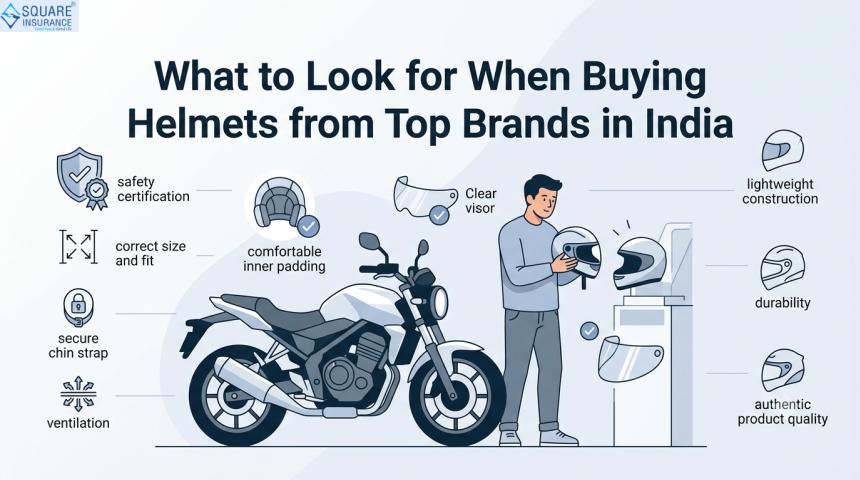
Within distribution channels, the offline segment accounts for the largest market share. Consumers frequently prefer purchasing helmets from physical retail outlets where they can evaluate product quality, fit, comfort, ventilation systems, and safety certifications before making a purchase. In-store purchasing also allows buyers to receive professional guidance and verify compliance with recognized safety standards.
Competitive Landscape
The global motorcycle helmet market is characterized by intense competition and continuous product innovation. Leading manufacturers are focusing on advanced materials, smart technologies, improved safety features, and product differentiation to strengthen their market positions.
Key companies operating in the market include Ainese SpA, H.J.C. Europe S.A.R.L, Shoei Co. Ltd, Arai Helmet Ltd, and Schuberth GmbH. These companies continue to invest in research and development to enhance rider safety, comfort, and overall product performance.
Recent product introductions highlight the industry's focus on innovation. In 2023, manufacturers launched advanced carbon-fiber helmet models and next-generation full-face helmets featuring improved visor technologies, lightweight construction, and enhanced aerodynamic performance, reflecting the ongoing evolution of motorcycle safety equipment.
Click Here to Access the Comprehensive Report: https://straitsresearch.com/report/motorcycle-helmet-market
About the Market Study
The study provides a comprehensive assessment of the global motorcycle helmet market across key product categories, distribution channels, and regional markets. Historical analysis covers the period from 2022 to 2024, with 2025 serving as the base year and forecasts extending through 2034.
The report examines market size, growth drivers, technological developments, regulatory trends, competitive dynamics, and emerging opportunities across North America, Europe, Asia-Pacific, Latin America, and the Middle East and Africa. It offers stakeholders detailed insights into the factors influencing demand, innovation, and long-term growth within the global motorcycle helmet industry.