A helmet is one of the most
important safety accessories for every two-wheeler rider. Whether you ride a
motorcycle or scooter for daily commuting, long-distance travel, or weekend
trips, a good-quality helmet can provide essential protection in the event of
an accident. However, choosing the right helmet is not always as simple as
picking a popular brand or selecting the most expensive model.
With several helmet
brands in India offering products with varying designs, materials,
safety features, comfort levels, and price points, riders should look beyond
branding and appearance when selecting a helmet. Understanding how to compare
helmets based on safety and build quality can help you make a more informed
purchase.
1.
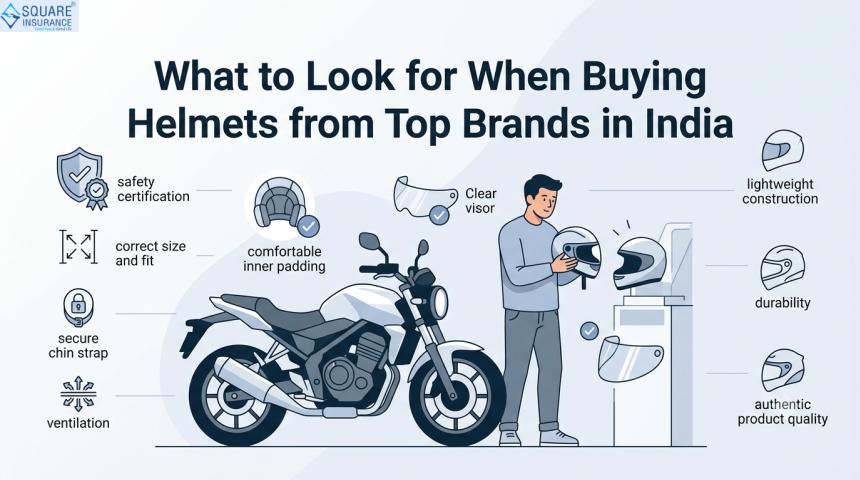
Start With Safety Certification
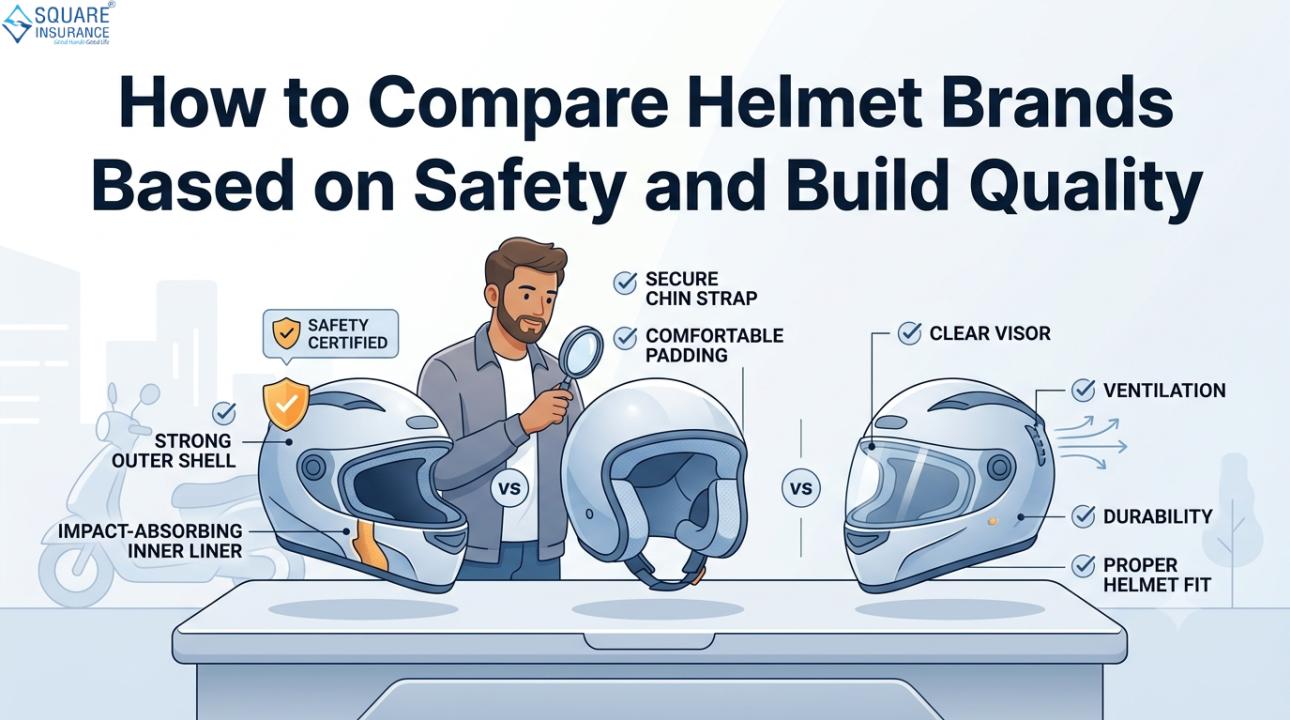
Safety certification should be one
of the first things you check when comparing helmets. A helmet may look
attractive and feel comfortable, but its primary purpose is to protect your
head.
In India, riders should look for
helmets that comply with applicable safety standards and certification
requirements. Check the certification marking on the helmet and ensure that the
product is genuine and intended for use on Indian roads.
Certification indicates that the
helmet has been tested against specified safety requirements. However,
certification alone should not be the only factor in your decision. The helmet
should also fit correctly, be in good condition, and be appropriate for your
riding needs.
When comparing brands, look for
manufacturers that clearly communicate their safety compliance and product
specifications.
2.
Evaluate the Helmet Shell Material
The outer shell is a major component
of a helmet's construction. It provides the first layer of protection and helps
distribute impact forces.
Different helmet brands may use
different shell materials, such as:
- Thermoplastic materials
- Polycarbonate
- Fiberglass composites
- Carbon fibre composites
- Other advanced materials
The material can influence the
helmet's weight, durability, strength, and price. Premium materials may offer
advantages in weight reduction and performance but can also increase the cost.
When comparing brands, don't simply
assume that the most expensive material is automatically the best choice.
Consider the overall construction, safety certification, impact protection, and
suitability for your riding requirements.
3.
Check the Inner Impact-Absorbing Liner
The outer shell is only one part of
a helmet's protective structure. The inner liner plays an equally important
role in absorbing energy during an impact.
Most quality helmets use an
energy-absorbing foam liner designed to help reduce the force transmitted to
the head during a crash.
When comparing helmet brands,
consider:
- Liner quality
- Thickness and construction
- Impact absorption capability
- Fit around the head
- Long-term durability
A helmet should provide a secure fit
without creating excessive pressure points. A poorly fitting helmet may not
offer the intended level of protection, even if it comes from a reputable
manufacturer.
4.
Pay Attention to Helmet Fit
A helmet that does not fit correctly
may compromise both comfort and safety. This is why fit should be treated as a
critical factor when comparing brands.
The helmet should sit firmly on your
head without moving excessively when you shake or turn your head. It should
feel snug but not painfully tight.
Keep in mind that helmet sizing can
vary between brands and models. A medium size from one manufacturer may not fit
the same as a medium from another.
Before purchasing, check the brand's
size chart and, where possible, try the helmet on. Your head shape also
matters, as different helmet designs may suit different head profiles.
5.
Compare the Retention System
The retention system keeps the
helmet securely positioned on your head. A good helmet should have a reliable
and properly functioning strap system.
Common retention mechanisms include
different types of chin straps and fastening systems. The important factor is
that the system should be secure, easy to use, and correctly adjusted.
When comparing brands, inspect the
quality of the straps, buckles, stitching, and fastening mechanism. Avoid
purchasing a helmet with a loose or damaged retention system.
A helmet that is not securely
fastened may move or come off during an accident, reducing its protective
effectiveness.
6.
Consider Visor Quality and Visibility
The visor is an important part of a
helmet because it affects visibility and protects the rider's eyes and face
from wind, dust, insects, and other road debris.
When comparing helmets, check
whether the visor provides:
- Clear visibility
- Adequate optical quality
- Scratch resistance
- Easy replacement
- Secure locking
- Good sealing
Riders who frequently travel at
night should also consider how the visor performs in low-light conditions.
Tinted or dark visors may not be suitable for nighttime riding.
A clear, distortion-free field of
vision should always be a priority.
7.
Look at Ventilation and Airflow
Safety is the primary consideration,
but comfort also matters. If a helmet is uncomfortable, too hot, or poorly
ventilated, riders may be less likely to wear it consistently.
Good ventilation helps improve
airflow through the helmet and can make longer rides more comfortable.
Compare brands based on:
- Number and placement of vents
- Air intake and exhaust design
- Airflow efficiency
- Vent control
- Interior comfort
However, more vents do not
automatically mean better ventilation. The overall design and airflow
management are more important than simply counting openings.
8.
Assess Build Quality and Finishing
Build quality can often be assessed
by examining the helmet closely. Look for consistent finishing, strong
construction, properly fitted components, and high-quality materials.
Check for:
- Loose parts
- Uneven finishing
- Poor stitching
- Weak visor mechanisms
- Damaged padding
- Cracks or manufacturing defects
A reputable helmet manufacturer
generally maintains consistent production standards. However, even when
purchasing from a trusted brand, inspect the specific helmet before buying.
9.
Compare Weight Without Sacrificing Protection
Helmet weight can significantly
influence comfort, especially during long rides. A heavy helmet may put
additional strain on the neck and shoulders.
On the other hand, choosing the
lightest helmet available is not necessarily the right approach. The focus should
be on finding a helmet that offers a good balance between weight, construction,
safety, and comfort.
Premium helmet brands may use
advanced materials to reduce weight while maintaining structural performance,
but these products may come at a higher price.
Choose according to your riding
frequency and budget without compromising essential safety requirements.
10.
Examine the Interior Padding
The inner padding affects both
comfort and fit. Quality padding should provide a snug fit while remaining
comfortable during extended use.
When comparing brands, consider
whether the padding is:
- Removable
- Washable
- Replaceable
- Durable
- Properly fitted
Removable and washable interiors can
be particularly useful for riders who use their helmets every day.
Over time, padding can become
compressed and lose its original fit. Some brands offer replacement interior
components, which can help extend the useful life of a helmet.
11.
Consider the Type of Helmet
Different helmet types are designed
for different riding requirements. Common options include:
- Full-face helmets
- Open-face helmets
- Modular helmets
- Half helmets
A full-face helmet generally
provides more extensive coverage around the head and face compared with more
open designs. Modular helmets offer flexibility but have additional moving
components.
Your choice should depend on your
riding environment, speed, travel frequency, and personal preferences. For
regular highway or long-distance riding, many riders prefer greater coverage
and protection.
12.
Don't Choose a Helmet Based Only on Brand Reputation
A well-known brand can provide
confidence, but brand reputation alone does not guarantee that every model will
suit every rider.
Instead of asking, "Which is
the best helmet brand?" ask:
- Is the helmet certified?
- Does it fit correctly?
- Is the build quality reliable?
- Does it provide suitable coverage?
- Is the visor clear and functional?
- Is the retention system secure?
- Does it meet my riding requirements?
This approach allows you to compare
individual helmet models rather than relying solely on the brand name.
13.
Consider Price and Overall Value
Price is an important factor, but it
should be considered alongside safety and build quality.
An extremely cheap helmet may not
provide the same level of construction or features as a properly certified,
well-built product. At the same time, a high price does not automatically
guarantee superior protection.
Focus on value rather than price
alone. A suitable helmet should provide reliable safety, a secure fit,
durable construction, and useful comfort features within your budget.
14.
Check the Helmet's Age and Condition
Even a high-quality helmet has a
limited useful life. Materials can deteriorate over time, and regular use can
affect the liner, padding, straps, and shell.
When buying a new helmet, check the
manufacturing date and ensure that the product is in good condition. Avoid
purchasing helmets that show signs of damage, cracks, or significant wear.
If your helmet has been involved in
a serious impact, it should generally be replaced, even if there are no obvious
external signs of damage.
Conclusion
Comparing helmet brands based on
safety and build quality requires more than looking at appearance, price, or
popularity. Certification, shell construction, impact-absorbing liner, fit,
retention system, visor quality, ventilation, interior padding, and overall
build quality should all be considered before making a decision.
The best helmet for you is one that
fits correctly, provides suitable coverage, meets applicable safety standards,
and matches your riding requirements. Investing in a reliable helmet is an
important part of responsible two-wheeler ownership and can provide essential
protection when you need it most.
Along with choosing the right safety
gear, maintaining appropriate bike insurance is another important part
of responsible riding. Square Insurance can help customers make informed
insurance decisions and manage their insurance requirements more conveniently.
Please Note: - Manage your policies easily with Square Insurance POS
Apps on Google Play online anytime, anywhere.
FAQs
Q1.
What should I check first when comparing helmet brands?
Start by checking whether the helmet
meets applicable safety certification requirements. After that, consider fit,
shell construction, impact-absorbing liner, retention system, visor quality,
and overall build quality.
Q2.
Is an expensive helmet always safer?
Not necessarily. A higher price may
reflect premium materials, advanced features, or brand positioning. However,
price alone does not guarantee better protection. Certification, correct fit,
construction, and overall quality are more important factors.
Q3.
Why is helmet fit important?
A properly fitting helmet stays
securely positioned on your head and is designed to provide the intended level
of protection. A helmet that is too loose or too tight may be uncomfortable and
may not provide an appropriate fit.
Q4.
Which type of helmet provides more coverage?
Generally, full-face helmets provide
greater coverage around the head and face compared with open-face and half
helmets. However, the right choice depends on your riding needs and personal
preferences.
Q5.
How often should I replace my helmet?
The replacement timeline depends on
the manufacturer's recommendations, usage, condition, and applicable safety
guidance. A helmet should also be replaced after a significant impact or if it
shows signs of damage or deterioration.
Q6.
Should I consider helmet weight when buying one?
Yes. Weight can affect comfort,
particularly during long rides. However, riders should balance weight with
safety, construction, fit, and overall protection rather than choosing a helmet
solely because it is lightweight.