Fleet management has evolved beyond simply tracking vehicle locations. Today's logistics and transportation businesses must monitor driver performance, optimize routes, reduce fuel costs, schedule preventive maintenance, and ensure timely deliveries, all while meeting growing customer expectations. As these operational demands increase, mobile technology has become essential for managing fleets efficiently.
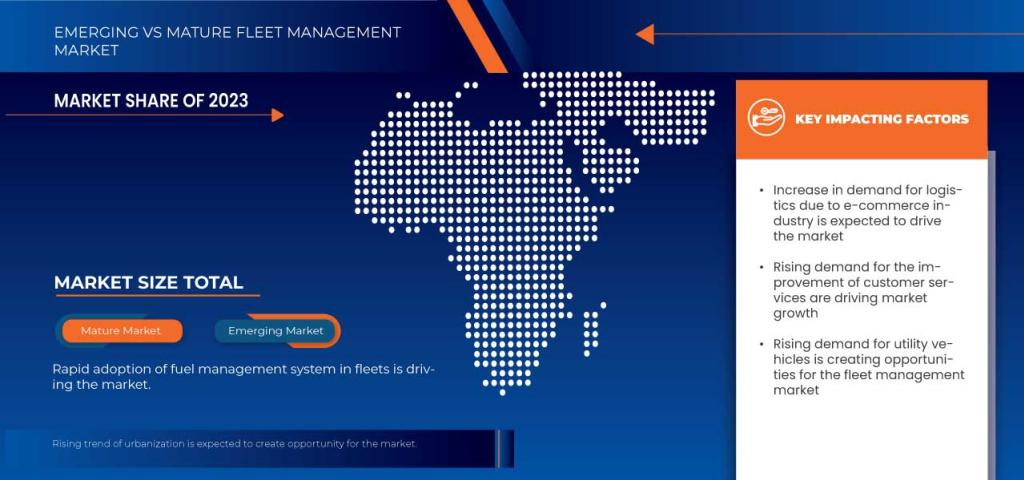
According to Mordor Intelligence, the global fleet management market is expected to grow from USD 32.87 billion in 2025 to USD 67.03 billion by 2030, at a CAGR of 15.32%. This growth reflects the increasing adoption of connected vehicles, telematics, and mobile applications that help businesses improve operational efficiency and reduce costs.
For businesses that rely on Apple devices, Fleet Management App Development using iOS offers a secure, high-performance solution for managing vehicles, drivers, and logistics operations from anywhere. Whether you operate a delivery company, logistics business, construction fleet, or transportation service, a custom iOS application can simplify daily operations while improving visibility across your entire fleet.
Why Fleet Management Needs Mobile-First Solutions
Traditional fleet management methods often rely on spreadsheets, manual reporting, and disconnected software systems. These approaches make it difficult to monitor fleet performance in real time and respond quickly to operational challenges.
Modern mobile applications eliminate these limitations by providing centralized access to vehicle data, driver activities, maintenance schedules, and route information. Managers can monitor operations from their smartphones while drivers receive instant updates, reducing communication delays and improving overall productivity.
Some of the biggest business challenges mobile applications solve include:
- Limited visibility into vehicle locations
- Rising fuel and maintenance costs
- Inefficient route planning
- Delayed driver communication
- Difficulty tracking vehicle health
- Compliance and reporting challenges
An iOS application provides real-time access to operational data, allowing businesses to make faster and more informed decisions.
What Is Fleet Management App Development?
Fleet Management App Development involves designing and building mobile applications that help businesses manage commercial vehicles, drivers, assets, and transportation workflows through a centralized digital platform.
These applications integrate with GPS devices, IoT sensors, cloud platforms, and telematics systems to provide accurate operational insights. Managers can monitor vehicles, assign tasks, generate reports, and track maintenance schedules directly from their mobile devices.
Professional iOS App Development Services typically include:
- Business requirement analysis
- UI and UX design
- Native iOS application development
- GPS and telematics integration
- Cloud database integration
- API development
- Quality assurance testing
- App deployment and maintenance
The objective is to create an intuitive application that improves operational efficiency while delivering a secure and reliable user experience.
Why Choose iOS for Fleet Management Applications?
Businesses operating enterprise fleets often prefer iOS because of its security, performance, and seamless integration across Apple devices. Native iOS applications deliver a consistent user experience while supporting advanced features that improve day-to-day fleet operations.
Some key advantages include:
- Strong Security
Apple's security framework helps protect sensitive business information through encryption, secure authentication, and regular software updates.
- Reliable Performance
iOS applications are optimized for Apple hardware, ensuring smooth performance even when handling GPS tracking, route optimization, and large volumes of operational data.
- Better Device Integration
Fleet managers can easily access notifications, maps, calendars, voice assistants, and location services without relying on third-party tools.
- Improved User Experience
A clean and intuitive interface helps dispatchers, drivers, and managers perform tasks more efficiently, reducing training time and increasing productivity.
- Long-Term Scalability
As businesses expand, iOS applications can support additional users, vehicles, warehouses, and operational features without affecting performance.
Essential Features Every Fleet Management App Should Include
The effectiveness of a fleet management application depends on the features it offers. Businesses should focus on functionalities that improve operational visibility, driver productivity, and decision-making while simplifying day-to-day fleet operations.
| Feature | Purpose |
|---|---|
| Real-Time GPS Tracking | Monitors vehicle locations in real time, enabling dispatchers to improve route planning and respond quickly to unexpected situations. |
| Route Optimization | Suggests the most efficient routes based on traffic conditions, distance, and delivery schedules to reduce fuel consumption and travel time. |
| Driver Management | Tracks driver behavior, working hours, attendance, and performance to improve safety and accountability. |
| Vehicle Maintenance Alerts | Sends reminders for scheduled servicing, inspections, and repairs to minimize vehicle downtime. |
| Fuel Management | Monitors fuel usage, identifies excessive consumption, and helps businesses reduce operating expenses. |
| Geofencing | Creates virtual boundaries and notifies managers whenever vehicles enter or leave designated locations. |
| Push Notifications | Delivers instant alerts about maintenance schedules, route changes, delivery updates, and emergencies. |
| Analytics and Reports | Generates real-time reports on fleet performance, fuel costs, vehicle utilization, and driver efficiency. |
Key Benefits of iOS Fleet Management Applications
A well-designed fleet management application offers more than just vehicle tracking. It enables businesses to optimize operations, reduce unnecessary costs, and improve customer satisfaction.
- Improved Operational Efficiency
Manual tracking and paper-based reporting often slow down daily operations. Mobile applications automate repetitive tasks, allowing managers to monitor vehicles, assign jobs, and access reports from a single dashboard.
- Better Fleet Visibility
Real-time tracking gives businesses complete visibility into their fleet. Managers can monitor vehicle locations, track deliveries, and respond quickly to unexpected delays or emergencies.
- Lower Operating Costs
Fuel consumption, maintenance, and inefficient routing are major expenses for transportation businesses. Intelligent mobile applications help optimize routes, monitor fuel usage, and schedule preventive maintenance, reducing long-term operational costs.
- Enhanced Driver Safety
Monitoring driver behavior helps identify harsh braking, speeding, excessive idling, and other risky driving habits. This improves road safety while reducing accidents and insurance-related expenses.
- Improved Customer Satisfaction
Customers expect accurate delivery updates and timely services. Fleet management applications provide live tracking and automated notifications, improving transparency and building customer trust.
- Scalable Business Operations
As transportation businesses grow, mobile applications can easily support additional vehicles, drivers, warehouses, and delivery locations without requiring significant system changes.
- Industries That Benefit from Fleet Management Apps
Fleet management applications are no longer limited to logistics companies. Businesses across multiple industries rely on mobile technology to improve transportation efficiency and asset utilization.
Some common industries include:
- Logistics and courier services
- E-commerce and retail
- Construction and heavy equipment
- Healthcare transportation
- Food and grocery delivery
- Public transportation
- Waste management
- Oil and gas
- Field service businesses
- Car rental and leasing companies
Depending on business requirements, organizations may also integrate Logistics Mobile App Development capabilities with inventory management, warehouse operations, and customer communication systems to create a connected transportation ecosystem.
Advanced Technologies Transforming Fleet Management
Modern fleet applications are becoming more intelligent with the integration of emerging technologies. These innovations help businesses automate processes and improve operational accuracy.
Some of the most impactful technologies include:
- Artificial Intelligence for predictive maintenance and route optimization
- Internet of Things (IoT) for vehicle diagnostics and sensor monitoring
- Cloud computing for centralized data storage and remote accessibility
- GPS and telematics for real-time vehicle tracking
- Machine learning for driver behavior analysis
- Business intelligence dashboards for performance reporting
By combining these technologies with Fleet Management Software Development, businesses can build scalable solutions that support future growth and improve decision-making across transportation operations.