Implementing structured Atlassian subscription optimization is no longer optional—it’s a financial and operational necessity. With the right approach, businesses can transform fragmented SaaS spending into a controlled, value-driven investment model. This is exactly what Atlassian License management services help organizations achieve: visibility, optimization, compliance, and continuous cost control across the Atlassian ecosystem.
1. Understanding the Atlassian Subscription Landscape
The Atlassian ecosystem is built for scalability, but that flexibility often leads to complexity in license usage and billing. Organizations frequently adopt multiple Atlassian products across departments without a centralized governance model.
Proper subscription management ensures every license is aligned with real user needs and business value.
Atlassian subscriptions are typically user-based and scale with team size, which can quickly increase costs if not monitored. Without governance, inactive users often remain licensed, inflating expenses unnecessarily.
Different teams adopt tools like Jira Software, Jira Service Management, and Confluence independently. This creates fragmented ownership and inconsistent subscription tracking.
Cloud-based Atlassian products follow usage-driven billing models, making visibility into active vs. inactive users critical for cost control.
Enterprise growth often leads to overlapping instances or duplicate projects, increasing administrative overhead and licensing inefficiencies.
Without centralized monitoring, organizations lose clarity on renewal timelines, resulting in missed optimization opportunities during contract negotiations.
2. Challenges of Inefficient License Management
Poor license governance can significantly impact IT budgets and operational efficiency. Many organizations underestimate how quickly SaaS sprawl affects financial planning.
Inefficiencies in Atlassian licensing often remain hidden until renewal cycles or audits expose them.
One of the biggest challenges is unused or underutilized licenses assigned to inactive employees. These “ghost licenses” silently increase recurring costs.
Lack of real-time visibility into user activity prevents IT teams from making informed decisions about reallocations or deactivations.
Decentralized procurement across departments leads to duplicate subscriptions and inconsistent pricing structures.
Manual tracking through spreadsheets is error-prone and does not scale with enterprise growth, leading to inaccurate reporting.
Budget forecasting becomes unreliable due to fluctuating usage patterns and uncontrolled license expansion.
3. Core Principles of Smart Atlassian Subscription Management
Effective subscription management is built on structured governance, continuous monitoring, and data-driven optimization. It ensures organizations only pay for what they truly use.
Smart management shifts licensing from a cost center to a controlled investment strategy.
Centralized license governance ensures all Atlassian subscriptions are tracked from a single source of truth, improving accountability and transparency.
Role-based access mapping aligns licenses with actual job responsibilities, preventing over-provisioning of premium access.
Continuous usage analytics help identify inactive users and underutilized tools, enabling timely reallocation.
Automated renewal tracking ensures organizations are always prepared for contract negotiations and cost optimization opportunities.
Standardized onboarding and offboarding processes ensure licenses are immediately assigned or reclaimed based on workforce changes.
4. Cost Optimization Strategies in Atlassian Licensing
Cost optimization is one of the most impactful outcomes of structured license management. It directly reduces SaaS waste while improving ROI on enterprise tools.
Strategic optimization focuses on eliminating redundancy and maximizing license utilization efficiency.
Regular audits of user activity help identify dormant accounts, allowing organizations to reclaim and reassign unused licenses.
Tier-rightsizing ensures users are assigned appropriate subscription levels rather than defaulting to higher-cost plans unnecessarily.
Consolidating multiple Atlassian instances reduces duplicate licensing costs and improves administrative efficiency.
Negotiating renewals based on actual usage data provides stronger leverage for enterprise discounts and flexible pricing models.
Implementing license pooling strategies enables dynamic allocation of licenses across teams, reducing idle capacity.
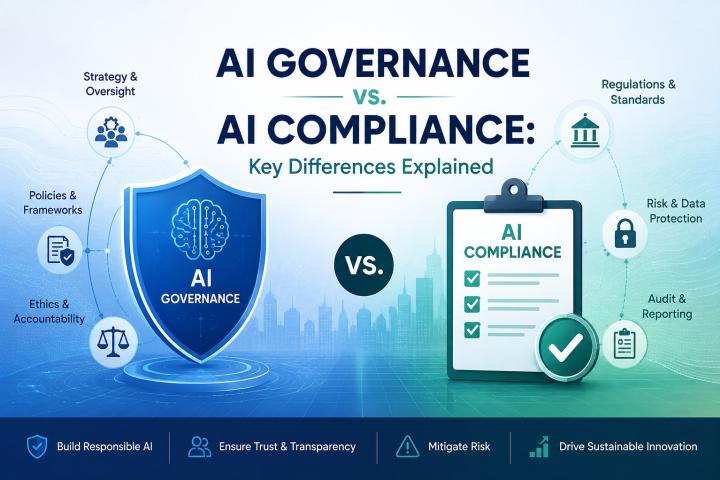
5. Governance and Compliance in License Management
Governance is essential for maintaining control, transparency, and compliance within Atlassian environments. Without it, organizations risk both financial inefficiency and audit exposure.
Strong governance ensures licensing decisions are traceable, consistent, and policy-driven.
Defined approval workflows ensure that new license requests follow structured validation before procurement, reducing unnecessary purchases.
Audit-ready reporting provides clear visibility into license usage history, supporting compliance requirements and internal reviews.
Access control policies enforce least-privilege principles, ensuring users only receive the licenses they require.
Periodic compliance checks help identify licensing gaps or violations before they escalate into financial or security risks.
Standardized governance frameworks ensure consistent licensing practices across global teams and departments.
6. Automation and Tools for Subscription Optimization
Automation plays a critical role in modern Atlassian license management. It reduces manual effort while improving accuracy and responsiveness.
With automation, organizations can continuously optimize licensing without relying on periodic manual reviews.
Automated user lifecycle management ensures licenses are assigned and revoked instantly during onboarding and offboarding processes.
Real-time usage monitoring tools track active vs. inactive users, enabling proactive optimization decisions.
Renewal automation systems send alerts before contract expiration, ensuring timely renegotiation and cost evaluation.
Integration with identity management systems allows seamless syncing of user roles and permissions across Atlassian products.
Dashboard-driven insights provide IT teams with actionable data to optimize licensing strategies in real time.
7. How Empyra Enables Smart Atlassian License Management
Enterprises often struggle to implement structured licensing strategies without expert guidance. This is where specialized consulting and managed services create measurable impact.
Empyra helps organizations build a sustainable and scalable Atlassian ecosystem with optimized licensing models.
Empyra performs detailed license audits to identify inefficiencies, unused subscriptions, and optimization opportunities across Atlassian tools.
The team implements centralized governance frameworks that bring all Atlassian subscriptions under unified control and visibility.
Advanced usage analytics are deployed to track user behavior and ensure every license delivers maximum value.
Empyra helps organizations streamline onboarding and offboarding workflows, ensuring licenses are always efficiently allocated.
Strategic advisory services support long-term cost optimization, helping businesses align Atlassian investments with growth objectives.
Conclusion: Turning Atlassian Licensing into a Strategic Advantage
Effective SaaS management is no longer just an IT function—it is a core business strategy that directly impacts operational efficiency and financial performance. Without proper oversight, Atlassian subscriptions can quickly become fragmented, costly, and difficult to control.
By adopting structured governance, automation, and continuous optimization, organizations can transform their Atlassian ecosystem into a high-efficiency, value-driven environment. This is where Atlassian licensing evolves from a routine procurement activity into a strategic investment lever that supports scalability, agility, and innovation.
With the right approach and expert support, businesses can eliminate waste, improve visibility, and ensure every license contributes directly to productivity and growth.