Maintaining high infection control standards is a priority for every healthcare facility. Whether in hospitals, clinics, care homes, or diagnostic centres, preventing the spread of harmful microorganisms is essential for protecting patients, healthcare professionals, and visitors. While strict cleaning protocols and staff training form the foundation of infection prevention, the effectiveness of these measures depends greatly on the quality of the hygiene products used every day.
From hand sanitisers and disinfectants to personal protective equipment (PPE) and clinical cleaning supplies, hygiene products play a crucial role in reducing contamination and supporting safer healthcare environments. Choosing the right products helps healthcare providers maintain consistent hygiene practices, minimise infection risks, and comply with recognised healthcare standards.
Why Infection Control Standards Matter
Healthcare environments are constantly exposed to bacteria, viruses, and other pathogens. Patients receiving treatment, particularly those with weakened immune systems or recovering from surgery, are more susceptible to infections. Without proper hygiene measures, harmful microorganisms can spread through direct contact, contaminated surfaces, or shared medical equipment.
Strong infection control standards help break this chain of transmission. They promote safer patient care, protect healthcare workers, reduce healthcare-associated infections (HAIs), and improve overall operational efficiency. Maintaining these standards requires a combination of well-defined procedures and dependable hygiene products that support daily infection prevention efforts.
The Role of Hygiene Products in Infection Control
Effective infection control relies on more than routine cleaning. Healthcare facilities require specialised hygiene products that are designed to eliminate harmful microorganisms while supporting safe clinical practices.
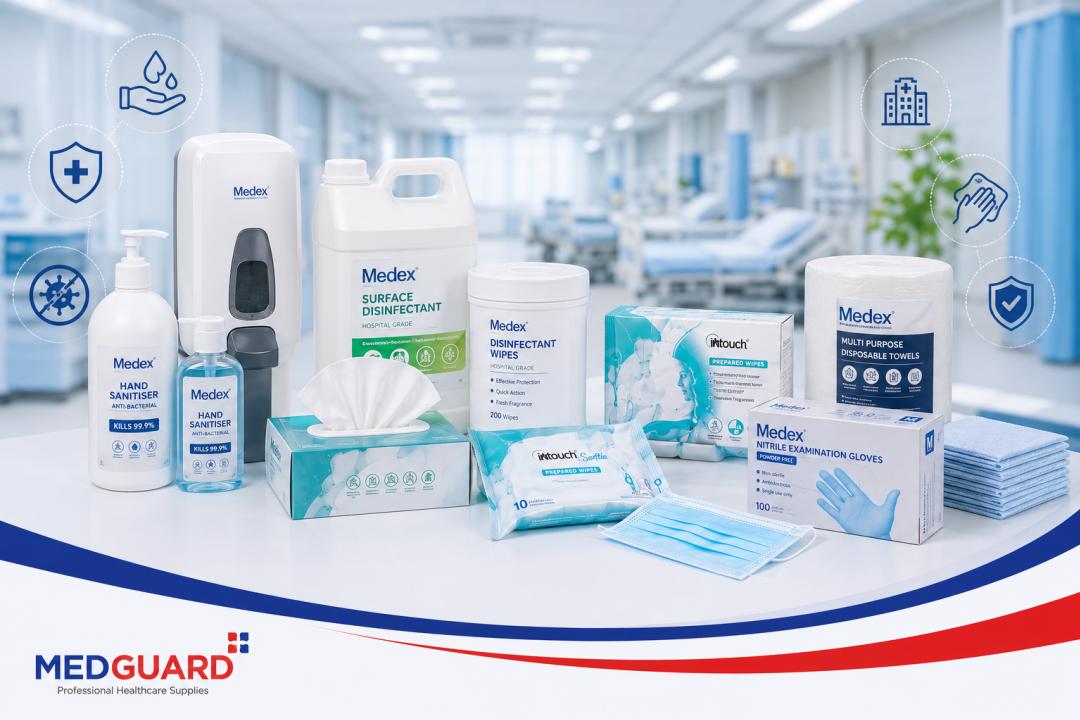
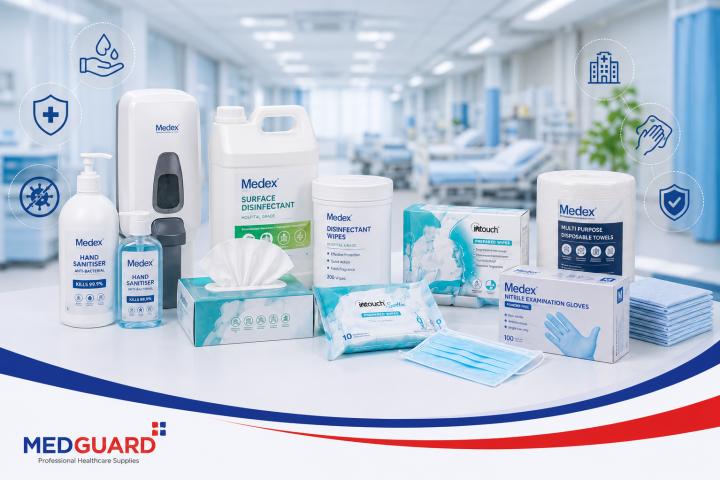
Essential hygiene products commonly used in healthcare settings include:
- Alcohol-based hand sanitisers
- Antibacterial hand soaps
- Surface disinfectants
- Disposable disinfectant wipes
- Disposable gloves
- Face masks and protective gowns
- Clinical waste disposal bags
- Paper towels and hygiene dispensers
Each product contributes to maintaining a cleaner environment and reducing the likelihood of cross-contamination between patients, healthcare professionals, and visitors.
Hand Hygiene Remains the First Line of Defence
Among all infection prevention measures, hand hygiene continues to be one of the most effective. Healthcare workers frequently move between patients, treatment rooms, and medical equipment, making proper hand cleaning essential throughout the day.
Handwashing with soap and water or using alcohol-based hand sanitisers before and after patient contact significantly reduces the transfer of harmful microorganisms. Providing easily accessible hand hygiene stations throughout healthcare facilities encourages better compliance and supports consistent infection control practices.
Reliable hand hygiene products help ensure this critical step becomes part of everyday clinical routines.
Surface Disinfection Supports Safer Healthcare
High-touch surfaces are among the most common sources of contamination in healthcare environments. Examination couches, bed rails, workstations, door handles, waiting room furniture, and medical devices require regular cleaning to prevent the spread of infections.
Using healthcare-grade hygiene products specifically formulated for surface disinfection helps eliminate bacteria and viruses while maintaining safe treatment areas. Routine cleaning schedules, supported by effective disinfectants, play a vital role in improving infection control standards across healthcare facilities.
Maintaining clean environments also creates greater confidence among patients and visitors, reinforcing the organisation's commitment to safety.
Personal Protective Equipment Enhances Protection
Personal protective equipment (PPE) is another important element of infection control. Gloves, masks, gowns, and protective eyewear provide a barrier between healthcare professionals and infectious materials during patient care and medical procedures.
However, PPE should always be used as part of a wider infection control strategy. Proper hand hygiene, safe disposal of used protective equipment, and regular staff training all contribute to maximising its effectiveness.
Combining PPE with quality hygiene products creates multiple layers of protection that reduce exposure risks for both patients and healthcare professionals.
Staff Training and Consistent Hygiene Practices
Even the best hygiene products cannot deliver optimal results without proper training. Healthcare organisations should regularly educate staff on hand hygiene techniques, cleaning procedures, PPE usage, and waste disposal protocols.
Routine audits and monitoring also help ensure hygiene standards remain consistent across every department. Encouraging healthcare teams to take shared responsibility for infection prevention strengthens compliance and supports continuous improvement.
When staff understand the importance of following established hygiene procedures, infection control becomes a natural part of delivering quality patient care.
Choosing the Right Hygiene Products
Selecting appropriate hygiene products is essential for maintaining effective infection control standards. Healthcare providers should consider product quality, ease of use, reliability, and suitability for clinical environments.
Medguard Healthcare offers a comprehensive range of hygiene products designed to support hospitals, clinics, nursing homes, and other healthcare providers in maintaining high standards of cleanliness and infection prevention. From hand hygiene solutions and disinfectants to personal protective equipment and essential healthcare supplies, Medguard Healthcare provides dependable products that help organisations create safer healthcare environments.
Working with a trusted supplier also ensures consistent product availability, helping facilities maintain uninterrupted hygiene practices throughout the year.
Building a Safer Healthcare Environment
Improving infection control standards is an ongoing commitment that requires attention to every aspect of healthcare operations. Clean environments, trained staff, effective procedures, and reliable hygiene products all work together to reduce infection risks and improve patient outcomes.
By investing in high-quality hygiene solutions and encouraging a culture of cleanliness, healthcare organisations can strengthen patient confidence while protecting their workforce. Small daily actions, such as proper hand hygiene, routine surface disinfection, and the correct use of PPE, have a lasting impact on overall healthcare safety.
Conclusion
Maintaining effective infection control standards is essential for delivering safe, high-quality healthcare. Reliable hygiene products support every stage of infection prevention, from hand hygiene and environmental cleaning to personal protective equipment and responsible waste management.
By choosing trusted solutions from Medguard Healthcare, hospitals, clinics, and care facilities can enhance their infection control strategies, protect patients and staff, and maintain cleaner, safer healthcare environments. Investing in the right hygiene products today helps build a healthier future for everyone.
Original Source: https://ecomotion.ae/supporting-safer-healthcare-through-infection-control/