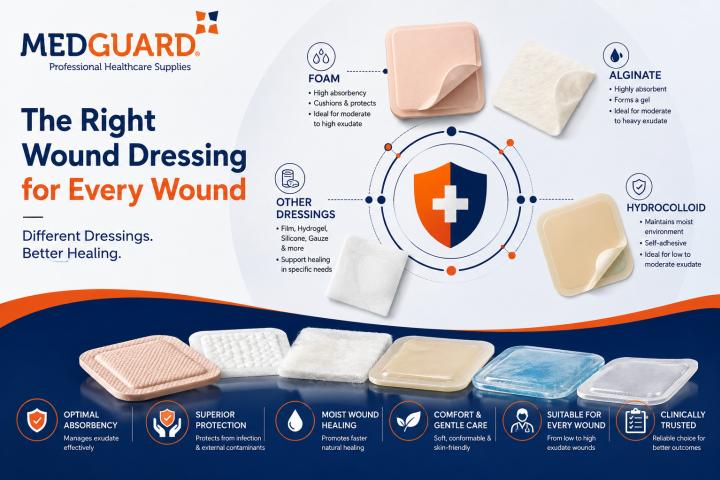
Choosing the right Wound Dressings depends on the individual characteristics of the wound. Exudate levels, wound-bed condition, surrounding skin and the location of the wound can all influence which dressing is most appropriate.
Allevyn, alginate and hydrocolloid dressings are three commonly used options, but they work in different ways. Understanding these differences can help healthcare professionals and carers make more informed choices when managing different types of wounds.
What Is Allevyn?
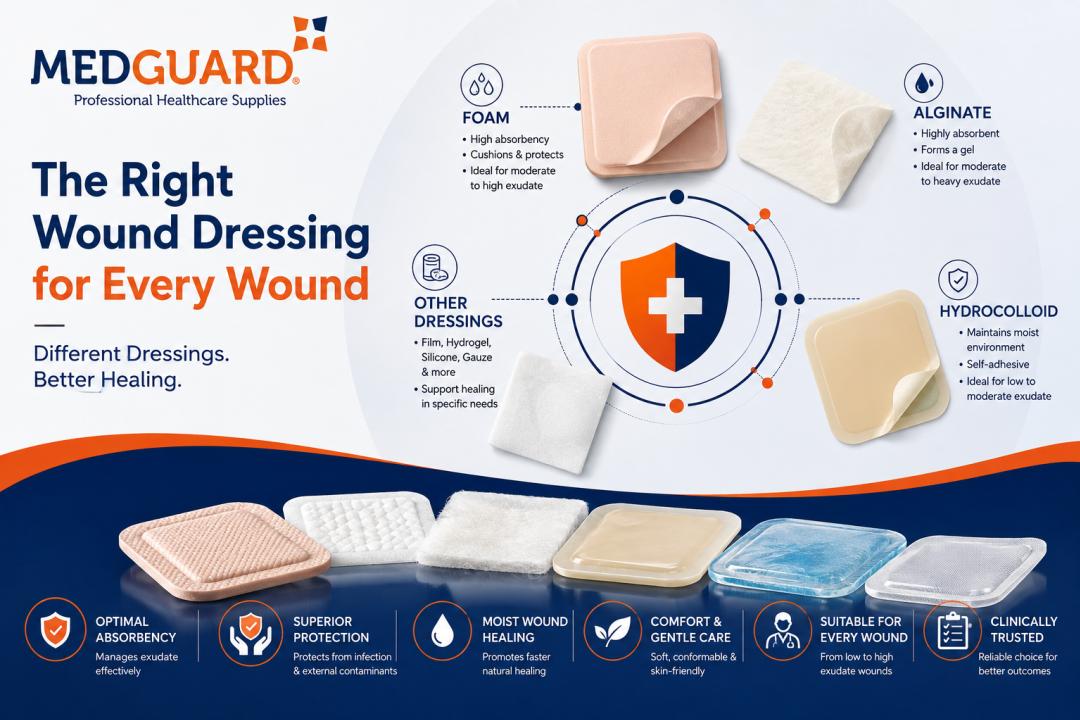
Allevyn dressing is a range of foam dressings designed to manage wound exudate while helping protect the wound. Foam dressings typically contain an absorbent layer that draws in wound fluid and can provide cushioning to the affected area.
Different Allevyn products are designed for different wound-care requirements. Depending on the specific product, they may be suitable for wounds producing moderate to high levels of exudate. Some options also feature adhesive borders or silicone contact layers designed to support secure positioning and gentler dressing changes.
Allevyn can therefore be a useful option when absorption, protection and cushioning are important considerations.
What Is an Alginate Dressing?
An Alginate dressing is made using fibres derived from seaweed. When the dressing comes into contact with wound exudate, the fibres can absorb fluid and form a soft gel.
This gel-forming ability allows alginate dressings to conform to the wound surface and can make them useful for selected wounds producing moderate to heavy exudate.
Alginate dressings are generally used with an appropriate secondary dressing to hold them in place and provide additional protection. They are not usually the first choice for dry wounds because they require wound fluid to activate their absorption and gel-forming properties.
What Are Hydrocolloid Dressings?
Hydrocolloid dressings contain materials that interact with wound fluid to create a gel. This helps maintain a moist wound environment and can provide a protective covering over the wound.
Hydrocolloids are generally considered for selected wounds with low to moderate exudate. They can remain in place for an appropriate period depending on the wound and the specific product.
As with other dressing types, hydrocolloids are not suitable for every wound. The level of exudate and condition of the wound should be considered before selection.
Allevyn vs Alginate vs Hydrocolloid
The main difference between these three options is how they manage wound fluid and the types of wounds for which they may be considered.
Allevyn foam dressings are primarily designed to absorb exudate while providing cushioning and protection. They may be suitable for a variety of exuding wounds, depending on the specific product.
An Alginate dressing absorbs wound fluid and forms a gel. This makes alginates particularly relevant when managing moderate to heavy exudate is an important part of wound care.
Hydrocolloid dressings also interact with wound fluid to form a gel, but they are generally associated with wounds producing lower levels of exudate.
The choice should therefore not simply be based on which dressing is considered the most absorbent. The wound's characteristics and the intended purpose of the dressing are more important.
Which Dressing Should You Choose?
For a wound producing moderate or higher levels of exudate, a suitable Allevyn foam dressing may provide absorption and cushioning. An Alginate dressing may be considered where its fluid-absorbing and gel-forming properties are appropriate.
For selected wounds with low to moderate exudate, a hydrocolloid may be considered where maintaining a moist wound environment and providing protection are appropriate.
Other factors should also be considered, including the wound size, depth, location, surrounding skin and the frequency of dressing changes. The specific product instructions should always be checked before use.
Finding Wound Dressings in Ireland
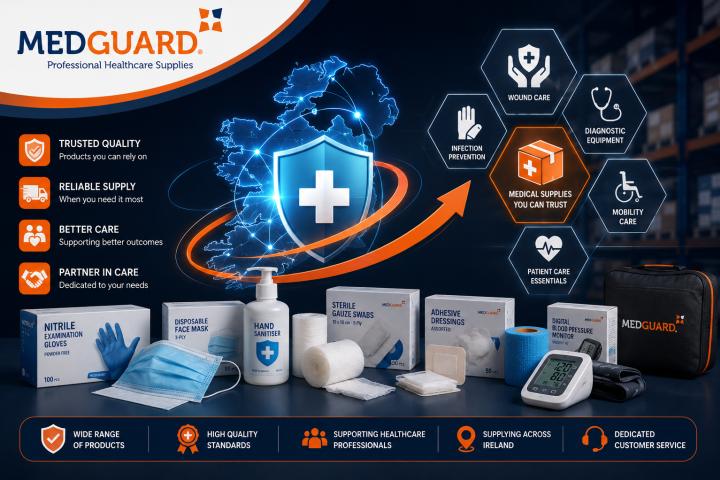
Healthcare professionals, carers and organisations need access to a variety of products when sourcing Medical Supplies In Ireland. Having different dressing categories available can make it easier to select products according to individual wound-care requirements.
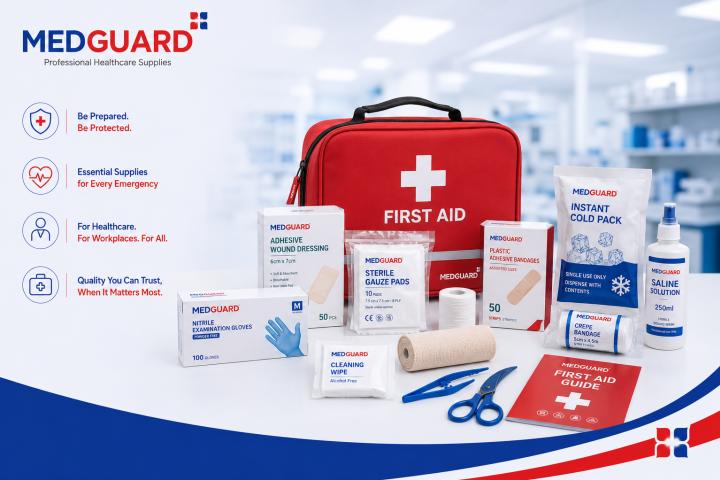
Medguard Healthcare provides medical and healthcare supplies, including Wound Dressings for a range of applications. Understanding the differences between foam, alginate and hydrocolloid dressings can help healthcare professionals identify products that may be appropriate for particular wound characteristics.
Ultimately, Allevyn, alginate and hydrocolloid dressings each have different properties and applications. There is no single dressing that is best for every wound. Appropriate selection should be based on wound assessment, product guidance and the advice of a suitably qualified healthcare professional.
Original Source : https://www.mednuc.net/allevyn-dressing-vs-alginate-dressing-which-wound-dressing-is-used-when/