
Quick Summary: A successful soundproofing project depends as much on choosing the right materials as it does on proper installation. Many people assume all acoustic products serve the same purpose, but that is far from true. Using the wrong acoustic materials can lead to poor sound control, unnecessary expenses, and disappointing results. Understanding the difference between soundproofing and sound treatment is the first step toward building a quieter, more comfortable space.
Introduction
Planning a soundproofing project is exciting.
Whether you're building a home theatre, designing a recording studio, renovating an office, or creating a peaceful bedroom, the goal is always the same: reduce unwanted noise and improve comfort.
The challenge begins when it's time to choose the materials.
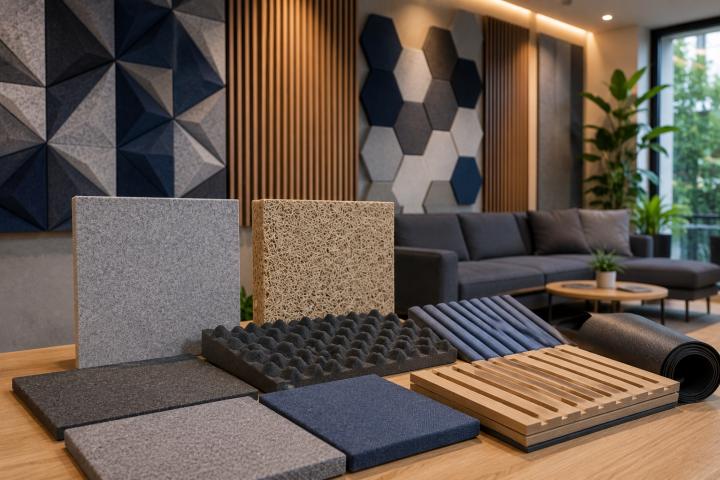
A quick online search presents hundreds of products that promise quieter rooms, better acoustics, and professional-grade performance. Foam panels, insulation boards, vinyl barriers, ceiling systems, wall panels, and fabric-covered absorbers all appear to solve the same problem.
They don't.
One of the most common reasons soundproofing projects fail is not poor installation or low-quality products. It is selecting acoustic materials that were designed for an entirely different purpose.
The result is a room that looks acoustically treated but still suffers from unwanted noise.
Understanding what each material is designed to do can prevent expensive mistakes and deliver the performance you actually expect.
Soundproofing and Acoustic Treatment are not the Same
This is where many projects go wrong.
Soundproofing focuses on preventing sound from travelling between spaces.
Acoustic treatment focuses on improving how sound behaves inside a room.
These are two different objectives requiring different acoustic materials.
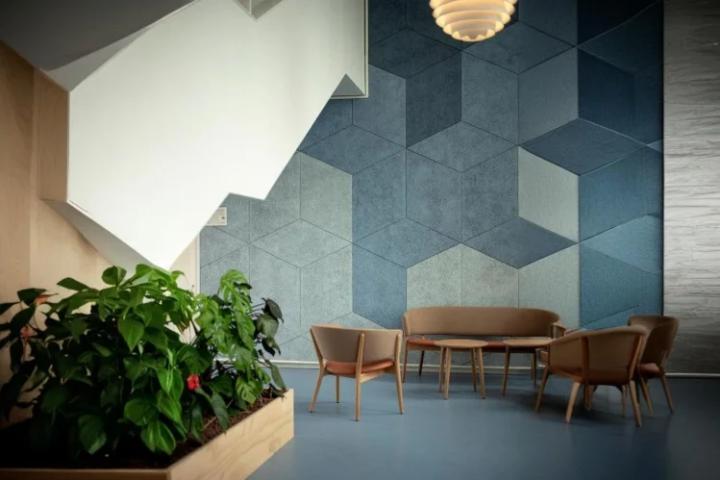
For example, a decorative acoustic wall panel may reduce echo within a conference room but contribute very little to blocking loud music from the neighbouring apartment. Likewise, a dense sound barrier can reduce sound transmission while doing little to improve speech clarity inside the room.
Choosing the wrong category of product often creates unrealistic expectations.
Buying Based Only on Appearance
Modern acoustic products are visually impressive.
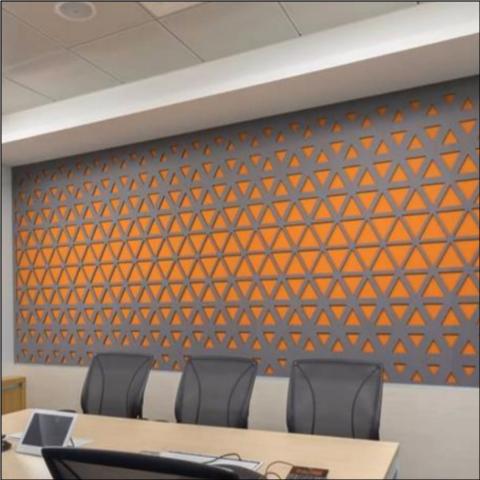
Architectural finishes, fabric textures, timber designs, and decorative patterns make many products attractive additions to contemporary interiors.
Appearance, however, should never become the deciding factor.
Effective acoustic materials are selected according to measurable performance, not visual appeal. A beautiful product that does not address the actual noise problem ultimately becomes an expensive decorative feature.
Performance should always come first.
Ignoring the Type of Noise
Not every sound behaves in the same way.
Conversations, televisions, and music create airborne noise.
Footsteps, machinery vibration, and moving furniture generate impact noise.
Mechanical equipment may produce continuous low-frequency sound.
Each type requires a different combination of acoustic treatment materials to achieve meaningful improvement.
Without identifying the source of the noise, selecting appropriate products becomes largely a matter of guesswork.
Assuming One Material Solves Everything
There is no universal acoustic product.
A successful soundproofing system usually combines several materials working together.
Dense barriers reduce sound transmission.
Absorptive panels minimise reflections.
Insulation controls resonance inside wall cavities.
Sealants eliminate gaps where sound can escape.
Resilient mounting systems reduce structural vibration.
Each component performs a specific function within the overall acoustic design.
Expecting a single product to solve every problem often leads to disappointment.
Overlooking Installation Quality
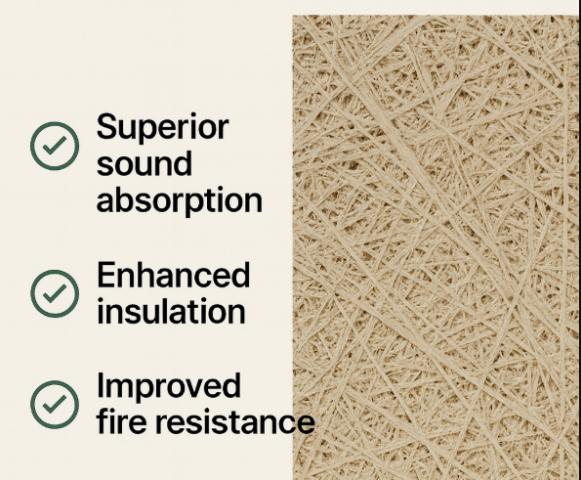
Even premium acoustic materials can underperform if installed incorrectly.
Small openings around electrical outlets, doors, windows, ducts, and service penetrations allow sound to bypass otherwise effective soundproofing systems.
Improper fixing methods or incomplete coverage can also reduce acoustic performance significantly.
Attention to installation details is just as important as selecting the correct material.
Read to know more about acoustic materials here: Acoustic Treatment Materials You didn’t Know You Needed… Here’s the List?
Choosing Price over Performance
Every project has a budget.
However, selecting the least expensive option without considering long-term performance often increases overall costs.
Poor acoustic control may require additional renovations, replacement materials, or repeated installation work.
Investing in high-quality acoustic treatment materials from the outset usually delivers better value over the life of the building.
Good performance is almost always more economical than repeated corrections.
Forgetting about the Room Itself
Rooms are not identical.
Ceiling height, wall construction, flooring, furniture, glazing, occupancy levels, and room dimensions all influence acoustic behaviour.
The same acoustic materials may perform exceptionally well in one environment yet produce limited improvements in another.
Successful acoustic design always considers the room as a complete system rather than focusing on individual products.
Professional Guidance Saves Time and Money
Acoustic performance involves more science than many people expect.
Experienced acoustic consultants and manufacturers understand how different materials interact, how sound behaves within various building structures, and which solutions suit specific applications.
Seeking professional advice before purchasing materials often prevents costly errors while ensuring better long-term results.
Good planning is usually the most valuable investment in any soundproofing project.
Build an Acoustic Strategy, not Just a Shopping List
The most successful projects begin with a clear objective.
Is the goal to block outside noise?
Improve meeting room conversations?
Reduce echo?
Enhance music quality?
Increase privacy?
Once the objective is defined, selecting the right acoustic materials becomes far more straightforward. Products should always support the overall acoustic strategy rather than being chosen individually.
The Final Road
The success of any soundproofing project depends on making informed decisions before installation begins. Choosing the wrong acoustic materials or misunderstanding the role of acoustic treatment materials can lead to ineffective sound control, unnecessary costs, and frustrating results.
By understanding the type of noise involved, recognising the difference between soundproofing and acoustic treatment, and selecting products based on verified performance, homeowners, architects, and businesses can create quieter, more comfortable spaces that perform exactly as intended.
Achieve Better Acoustic Performance with Tranquil Global
At Tranquil Global, we provide premium acoustic materials and acoustic treatment materials designed to meet the demands of modern residential, commercial, healthcare, hospitality, and institutional spaces.
Combining advanced acoustic engineering, high-quality manufacturing, and expert technical guidance, we help clients select the right solutions for every application. From reducing unwanted noise to enhancing interior sound quality, Tranquil Global delivers acoustic systems that perform with confidence.
FAQs
1. What is the difference between acoustic materials and acoustic treatment materials?
Acoustic materials is a broad term covering products used for sound control, while acoustic treatment materials specifically improve sound quality within a room by reducing reflections and reverberation.
2. Can one acoustic product provide complete soundproofing?
No. Most successful soundproofing systems use multiple materials that work together to control sound transmission and improve acoustic performance.
3. Why do some soundproofing projects fail?
Common reasons include choosing the wrong products, misunderstanding the type of noise, poor installation, and treating only one aspect of the acoustic problem.
4. Are decorative acoustic panels enough to block outside noise?
Not usually. Decorative panels primarily improve room acoustics rather than preventing sound from entering or leaving a space.
5. Why choose Tranquil Global for acoustic solutions?
Tranquil Global offers high-performance acoustic materials, expert technical support, and customised solutions that help create quieter, healthier, and more comfortable environments across a wide range of applications.