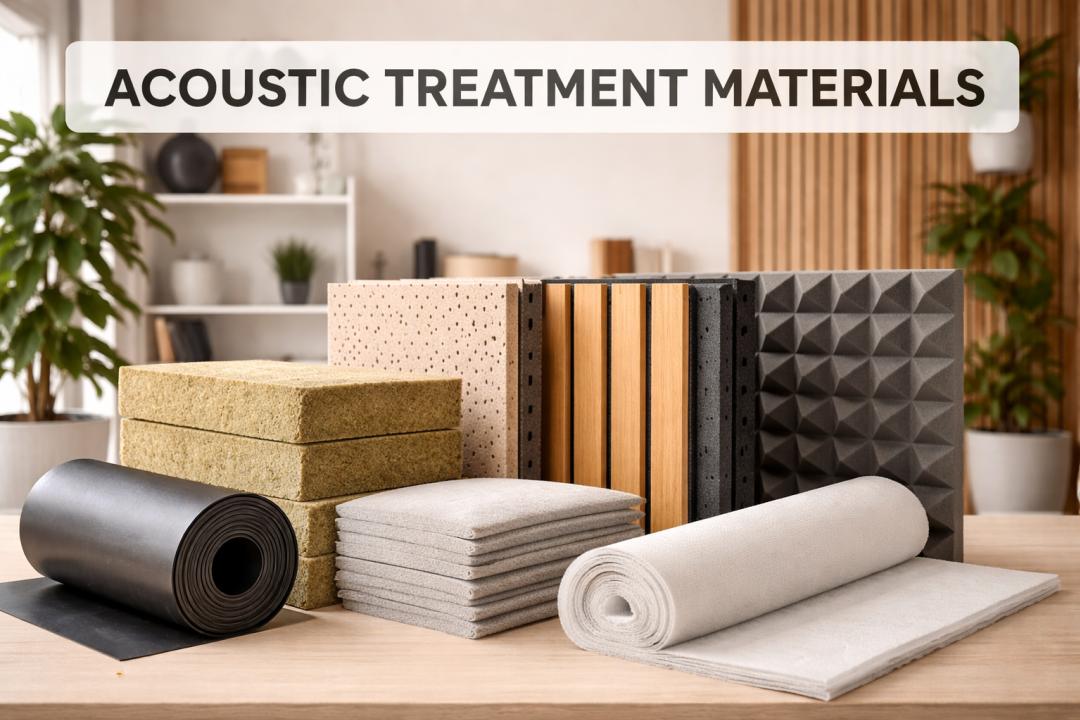
Quick Summary: A DIY home theatre is only as good as its acoustics. While speakers and displays often receive the most attention, the choice of acoustic panel material has a significant impact on sound clarity, dialogue intelligibility, bass control, and overall listening experience. The ideal material depends on factors such as sound absorption performance, frequency response, installation requirements, aesthetics, durability, and budget. Understanding these factors helps homeowners select the most effective acoustic treatment materials for their home theatre environment.
Sound Absorption Performance
The primary purpose of acoustic panels is to absorb reflected sound energy.
For home theatres, the chosen material should effectively manage:
- Dialogue reflections
- Mid-frequency sound buildup
- High-frequency echoes
- General room reverberation
Materials with strong sound absorption characteristics typically provide clearer audio reproduction and a more immersive viewing experience. When evaluating acoustic panel material options, absorption performance should remain the first consideration.
Frequency Response Capability
Not all materials absorb sound equally across all frequencies.
Some materials perform well at higher frequencies but offer limited low-frequency control. Others provide broader acoustic coverage across the sound spectrum.
A home theatre contains a wide range of frequencies, including:
- Dialogue
- Music
- Sound effects
- Bass-heavy content
The selected material should contribute to balanced sound reproduction rather than focusing on only one frequency range.
Material Density
Density is one of the most important factors affecting acoustic performance. Higher-density acoustic treatment materials generally absorb more sound energy and provide better overall acoustic control.
For DIY home theatres, denser materials often offer:
- Improved reverberation reduction
- Better sound clarity
- Enhanced listening accuracy
- Greater acoustic consistency
Density should be evaluated alongside thickness for optimal performance.
Panel Thickness Requirements
The effectiveness of acoustic panels is heavily influenced by thickness. Thicker materials generally absorb a wider range of frequencies than thinner alternatives.
In a home theatre environment, thickness becomes particularly important because movie soundtracks contain both subtle dialogue and powerful low-frequency effects. Selecting an acoustic panel material that can support an appropriate panel thickness contributes significantly to overall room performance.
Ease of DIY Installation
Homeowners undertaking DIY projects often prioritize materials that are practical to install.
Important considerations include:
- Ease of handling
- Cutting requirements
- Mounting methods
- Weight
- Installation flexibility
Acoustic treatment materials that simplify installation can help reduce project complexity while improving overall results.
Safety Considerations
Safety should always be part of material selection.
When evaluating acoustic panel materials, homeowners often consider:
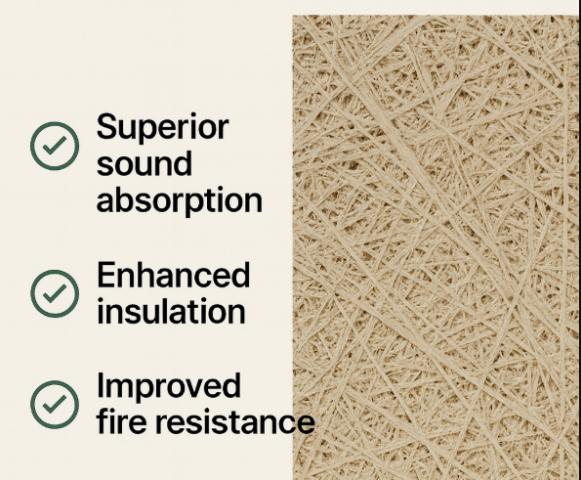
- Fire performance
- Material stability
- Indoor environmental suitability
- Long-term durability
Selecting materials that support safe indoor use contributes to a more reliable and sustainable home theatre environment.
Read to know more about acoustic panel material here: Why Sustainable Acoustic Panels are the Secret to Healthier Indoor Spaces
Durability and Longevity
DIY acoustic panels represent a long-term investment in room performance. The chosen material should maintain its acoustic properties over time without significant degradation.
Durable acoustic treatment materials help ensure:
- Consistent performance
- Reduced replacement needs
- Better long-term value
- Stable acoustic quality
Longevity becomes particularly important in dedicated home theatre spaces that experience frequent use.
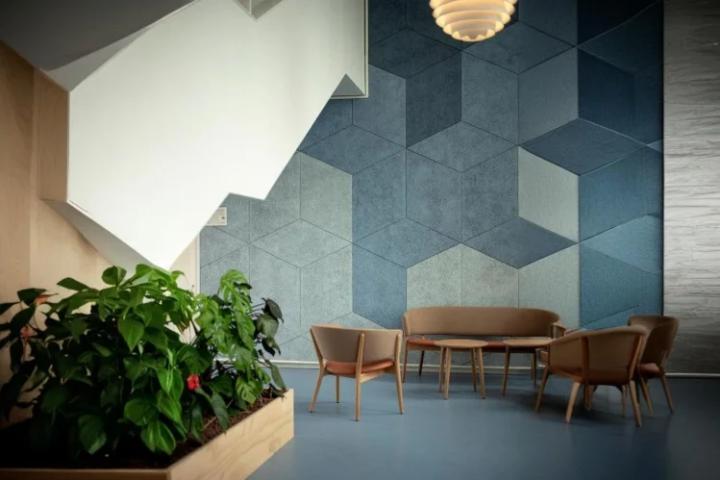
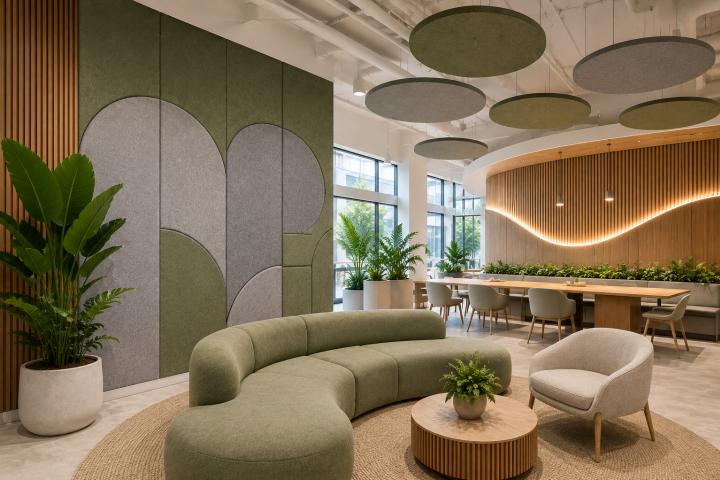
Visual Integration with the Theatre Design
Acoustic treatment should complement the overall design of the room.
The selected acoustic panel material should support:
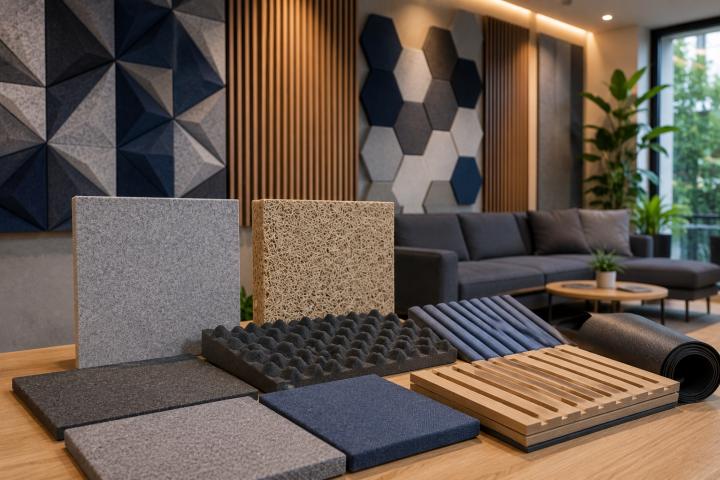
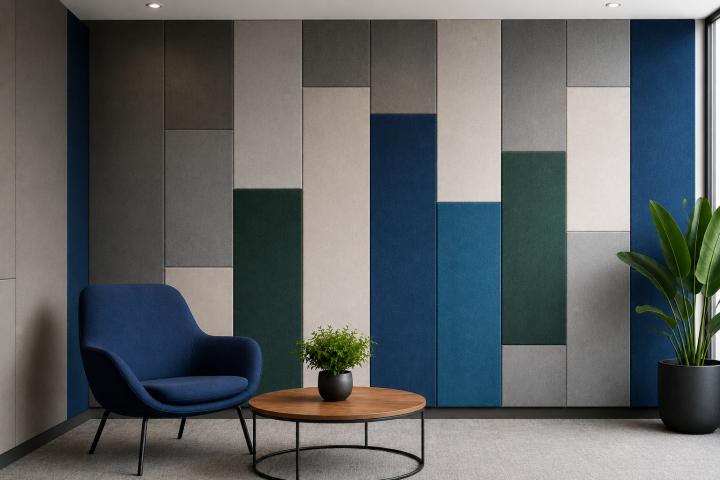
- Fabric wrapping
- Decorative finishes
- Custom panel designs
- Integrated wall treatments
Many homeowners seek materials that deliver acoustic benefits while preserving the cinematic atmosphere of the space.
Room Size Considerations
The ideal acoustic material often depends on room dimensions.
Larger rooms may require materials capable of managing greater sound energy, while smaller rooms may need more precise acoustic control to avoid excessive absorption.
The relationship between room volume and acoustic treatment influences material selection and overall system performance.
Budget Efficiency
DIY home theatre projects frequently involve balancing performance with cost. The most expensive material is not always the most appropriate choice.
Instead, homeowners should evaluate acoustic treatment materials based on:
- Acoustic effectiveness
- Installation requirements
- Durability
- Coverage needs
- Long-term value
This approach supports more efficient project planning and resource allocation.
Compatibility with Other Acoustic Treatments
Most effective home theatres use multiple acoustic strategies rather than relying on a single solution.
The chosen acoustic panel material should work effectively alongside:
- Bass traps
- Acoustic ceiling treatments
- Diffusion systems
- Carpeting
- Soft furnishings
Compatibility with a broader acoustic plan helps create a more balanced listening environment.
Desired Listening Experience
Ultimately, material selection should align with the homeowner's acoustic goals.
Different users may prioritize:
- Cinematic immersion
- Dialogue clarity
- Music playback accuracy
- Balanced sound reproduction
- Reduced room coloration
Understanding the intended listening experience helps determine which acoustic treatment materials will deliver the most satisfactory results.
Build a Better Home Theatre with Tranquil Global
At Tranquil Global, we provide high-performance acoustic treatment materials designed to help homeowners achieve professional-quality sound environments. Whether you are planning a dedicated cinema room or upgrading an existing entertainment space, our acoustic panel material solutions support superior sound clarity, enhanced immersion, and long-term performance. Transform your DIY home theatre into a truly exceptional listening environment with acoustic expertise from Tranquil Global.
FAQs
1. Why is acoustic panel material important in a home theatre?
It helps reduce reflections, control reverberation, and improve overall sound clarity.
2. Does panel thickness affect acoustic performance?
Yes. Thicker panels generally absorb a wider range of frequencies and improve room acoustics.
3. Can DIY acoustic panels improve movie sound quality?
Yes. Properly designed acoustic panels can significantly enhance dialogue clarity and listening comfort.
4. Should acoustic panels match the room design?
Yes. Many homeowners select materials that support both acoustic performance and visual integration.
5. Can acoustic panels work with other acoustic treatments?
Yes. They are often most effective when combined with bass traps, diffusion, and other room treatments.