Blocked drains remain one of the most common and expensive plumbing issues for homes, restaurants, commercial kitchens, schools, and public facilities. In 2026, property owners are placing greater emphasis on preventive maintenance rather than waiting for drainage emergencies to occur. One of the simplest ways to reduce the risk of stubborn drain blockages is by using a Drain Grease Remover as part of a regular maintenance routine.
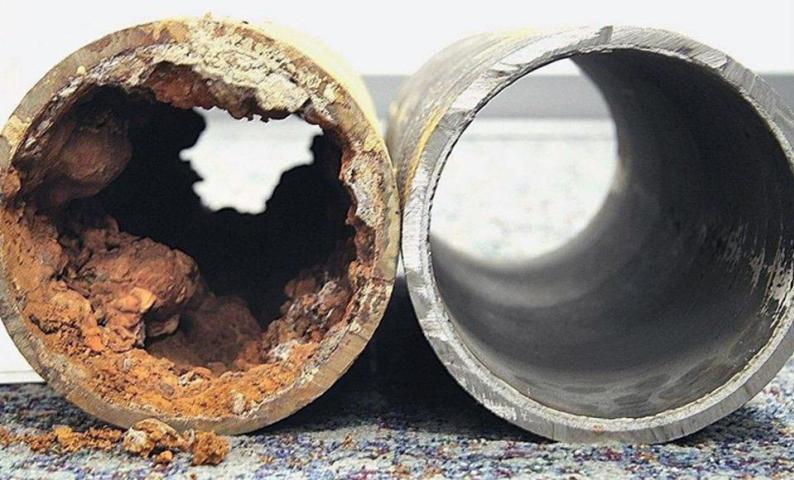
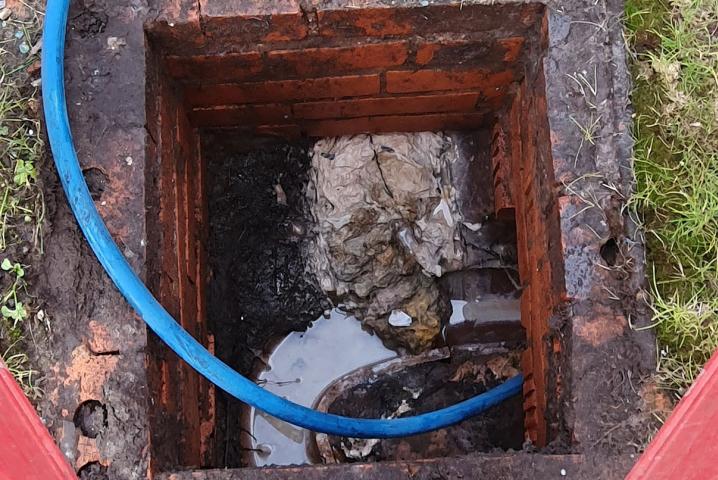
Grease, fats, oils, and food residue gradually stick to the inside of pipes. Over time, these deposits trap other debris, restrict water flow, and eventually cause severe blockages that may require costly repairs or emergency drain unblocking services. Choosing the right drain grease remover and using it correctly can significantly improve drainage performance while extending the lifespan of your drainage system.
Why Grease Builds Up Inside Drains
Everyday activities such as washing dishes, cleaning cooking utensils, and disposing of food waste introduce fats, oils, and grease into drainage systems. Although these substances may appear harmless when warm, they cool and harden once inside the pipes.
This sticky layer becomes the perfect surface for soap scum, food particles, coffee grounds, and other debris to collect. As the buildup grows thicker, water flow slows down, unpleasant odours develop, and the risk of complete blockages increases.
Commercial kitchens experience this problem more frequently because of their higher volume of cooking oils and food waste, but homeowners can face the same issues over time.
How a Drain Grease Remover Works
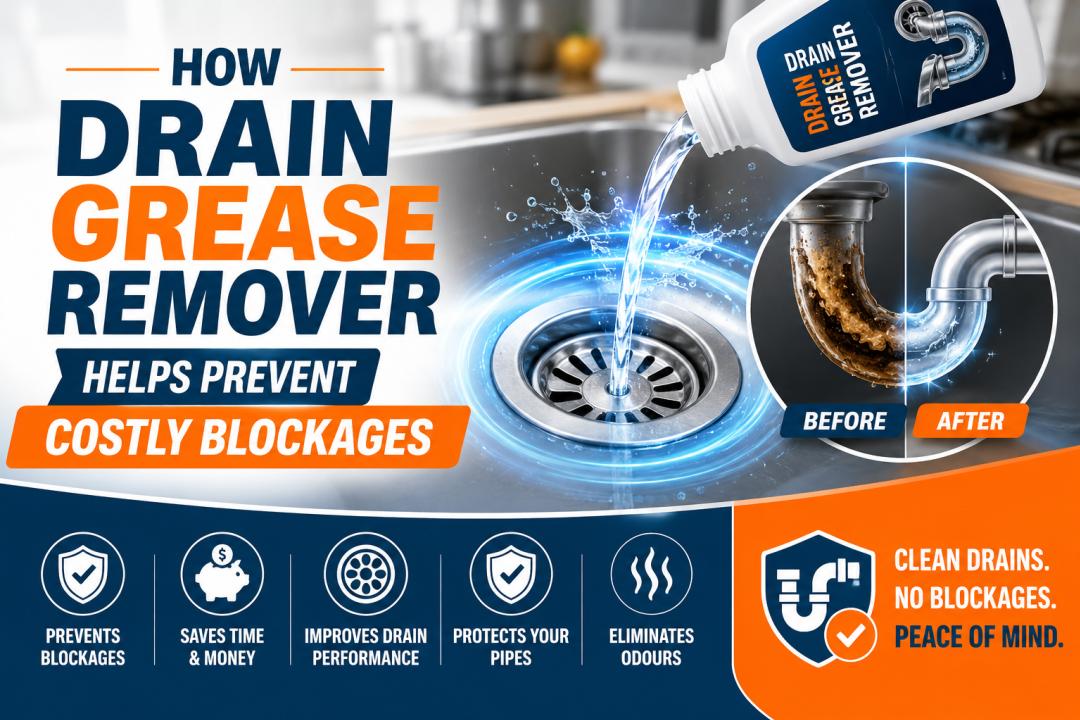
A quality Drain Grease Remover is specially formulated to break down grease deposits before they become major obstructions. Instead of simply pushing blockages further into the drainage system, these products target grease accumulation and help dissolve or loosen the residue attached to pipe walls.
Regular maintenance offers several advantages:
- Reduces grease accumulation
- Improves water flow
- Helps prevent unpleasant smells
- Minimizes emergency plumbing repairs
- Supports healthier drainage systems
Using the right product consistently is far more effective than waiting until drains become completely blocked.
Signs Your Drains May Already Have Grease Buildup
Many drainage problems begin gradually. Recognizing early warning signs can help prevent more serious issues later.
Common symptoms include:
- Slow-draining sinks
- Water backing up into sinks
- Gurgling sounds from pipes
- Persistent kitchen drain odours
- Frequent minor blockages
- Standing water around floor drains
If several of these symptoms occur together, grease buildup could already be restricting your drainage system.
Why Prevention Is More Cost-Effective Than Repairs
Many property owners only think about drainage maintenance after experiencing a blockage. Unfortunately, by that point the problem has often become much larger.
Preventive drain care offers several financial benefits:
Lower Emergency Repair Costs
Emergency callouts often cost significantly more than scheduled maintenance.
Longer Pipe Lifespan
Keeping grease from accumulating reduces stress on the drainage system and helps prevent corrosion or damage.
Reduced Business Disruption
Restaurants, cafés, schools, and healthcare facilities cannot afford unexpected plumbing failures that interrupt daily operations.
Better Hygiene
Clean drains reduce bacteria, unpleasant odours, and stagnant wastewater.
Small maintenance investments today can prevent major expenses tomorrow.
Choosing the Right Drain Maintenance Solution
Not every drain cleaning product is designed for grease removal. Selecting an appropriate solution depends on several factors.
Consider:
- Type of property
- Drainage system age
- Frequency of use
- Environmental impact
- Safety for pipe materials
- Manufacturer recommendations
Avoid using harsh chemicals too frequently, especially in older drainage systems, as repeated misuse may damage certain pipe materials.
Best Practices for Homes and Businesses
Whether managing a family home or a commercial property, consistent maintenance delivers the best results.
Recommended practices include:
Dispose of Cooking Oil Properly
Never pour used cooking oil directly into sinks. Allow it to cool before placing it in an appropriate disposal container.
Use Sink Strainers
Sink strainers capture food scraps before they enter the drainage system.
Schedule Routine Cleaning
Preventive maintenance is much easier than dealing with emergency blockages.
Educate Staff and Occupants
Businesses should train employees on proper grease disposal procedures to reduce unnecessary drainage issues.
Monitor Drain Performance
Investigate slow drainage immediately instead of waiting for complete blockages.
Why Commercial Kitchens Need Extra Protection
Restaurants, hotels, hospitals, schools, and catering businesses generate significantly more grease than residential properties.
Without routine maintenance:
- Grease traps fill more quickly
- Drain pipes narrow over time
- Cleaning costs increase
- Health compliance risks rise
- Emergency closures become more likely
Regular use of a Drain Grease Remover combined with scheduled inspections helps commercial facilities maintain reliable drainage performance.
When Professional Drainage Services Are the Better Option
Some drainage problems extend beyond routine maintenance.
Professional assistance is recommended if you experience:
- Repeated blockages
- Drain overflows
- External drainage problems
- Tree root intrusion
- Broken drain pipes
- Water backing up into multiple fixtures
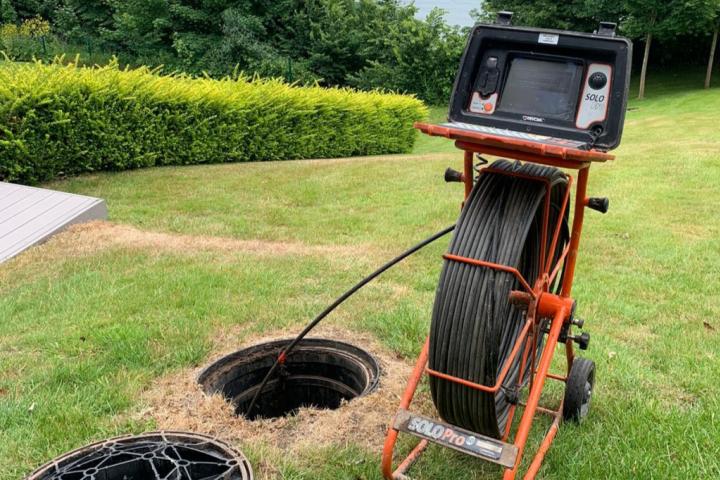
Professional drainage specialists use CCTV drain surveys, high-pressure water jetting, and specialist equipment to identify the root cause rather than simply treating the symptoms.
Practical Maintenance Tips for Organizations and Property Managers
Organizations responsible for multiple buildings should implement structured drainage maintenance programs.
Helpful strategies include:
- Create scheduled inspection plans.
- Keep maintenance records for recurring issues.
- Train maintenance staff on grease management.
- Inspect commercial kitchens regularly.
- Review grease trap performance.
- Partner with experienced drainage professionals when required.
These proactive measures help reduce long-term operating costs while improving system reliability.
Why Local Expertise Matters
Drainage systems vary depending on property age, location, and infrastructure. Working with experienced providers offering LOCAL DRAINAGE SOLUTIONS ensures maintenance plans are tailored to local conditions, regulations, and common drainage challenges.
Contact Us Today to Keep Your Drains Flowing
Preventing drain blockages is always easier and more affordable than repairing damaged drainage systems. Whether you manage a home, restaurant, commercial building, or educational facility, regular maintenance can protect your pipes and reduce unexpected repair costs.
If you're experiencing slow drains, recurring blockages, or want a proactive maintenance plan, contact us today to arrange a professional drainage assessment. Expert advice and preventive care can help keep your drainage system operating efficiently all year round.
For trusted drainage expertise, Precise Drainage Solutions provides professional inspections, drain cleaning, maintenance, and repair services designed to protect residential and commercial drainage systems. Their experienced team focuses on delivering reliable, innovative solutions that help property owners avoid costly drainage problems with confidence.
Frequently Asked Questions
1. What is a Drain Grease Remover?
A Drain Grease Remover is a specially formulated product designed to break down fats, oils, and grease inside drainage pipes. Regular use helps reduce buildup, improves water flow, and lowers the risk of stubborn drain blockages.
2. How often should I use a drain grease remover?
For most homes, using a grease remover once every few weeks is sufficient. Commercial kitchens and busy food preparation areas may require more frequent maintenance depending on grease production and drainage usage.
3. Can grease buildup damage drain pipes?
Yes. Over time, hardened grease traps food waste and debris, restricting water flow and increasing pressure within the drainage system. This can eventually contribute to pipe damage, unpleasant odours, and costly repairs if left untreated.
4. Are grease removers safe for all plumbing systems?
Most modern drain grease removers are designed to be safe for standard plumbing when used according to the manufacturer's instructions. Always check product guidance and avoid excessive use of harsh chemical cleaners, particularly in older pipe systems.
5. When should I call a professional instead of using a grease remover?
If you experience recurring blockages, overflowing drains, water backing up into multiple fixtures, or persistent bad odours despite regular maintenance, it's best to contact a professional drainage specialist for a full inspection.