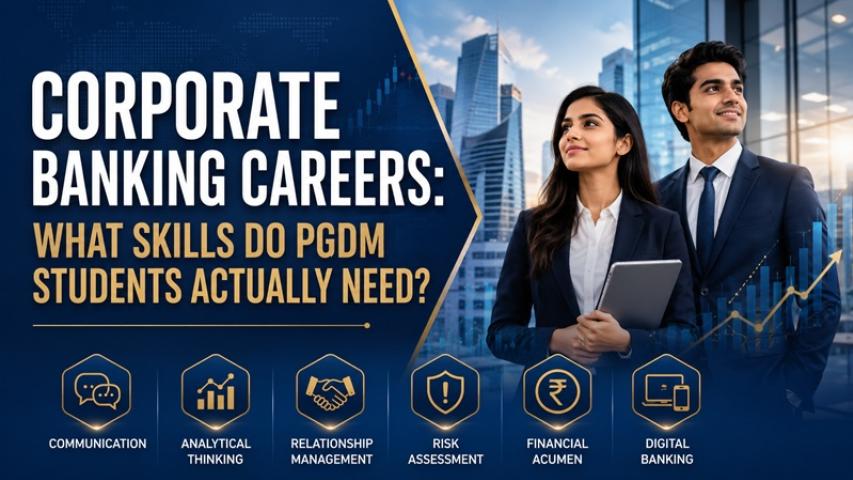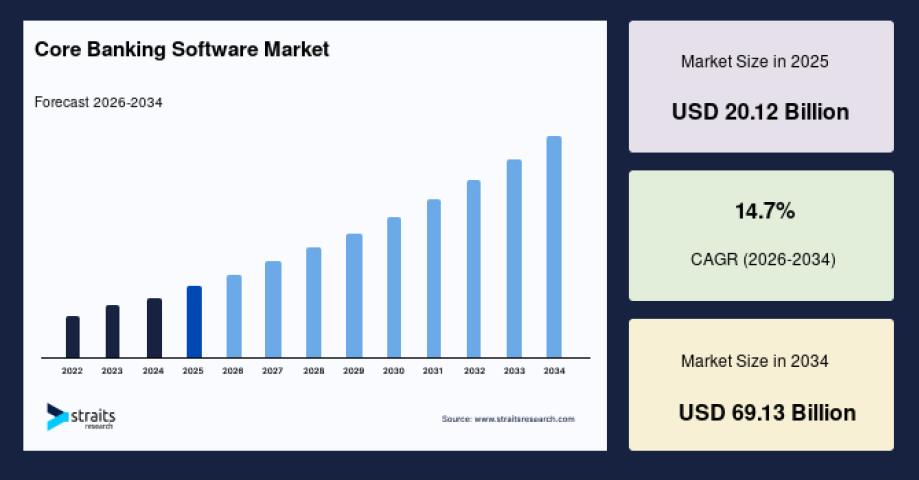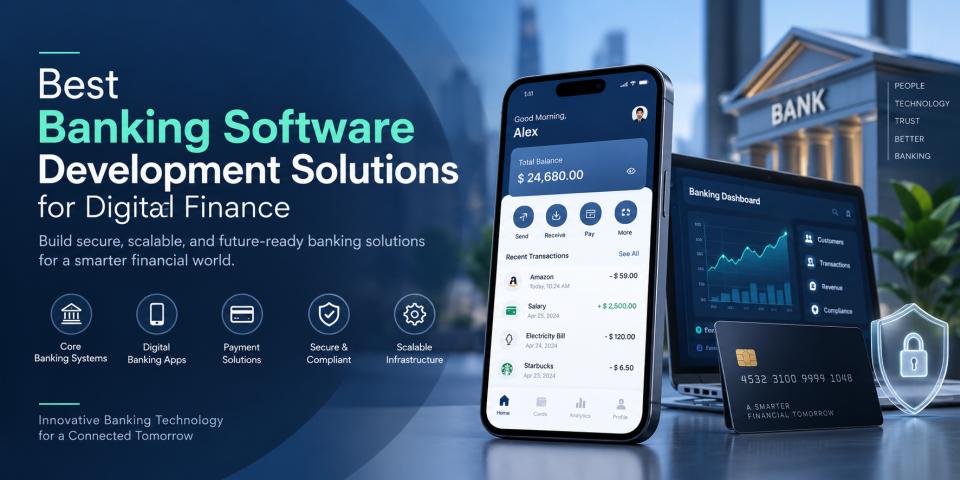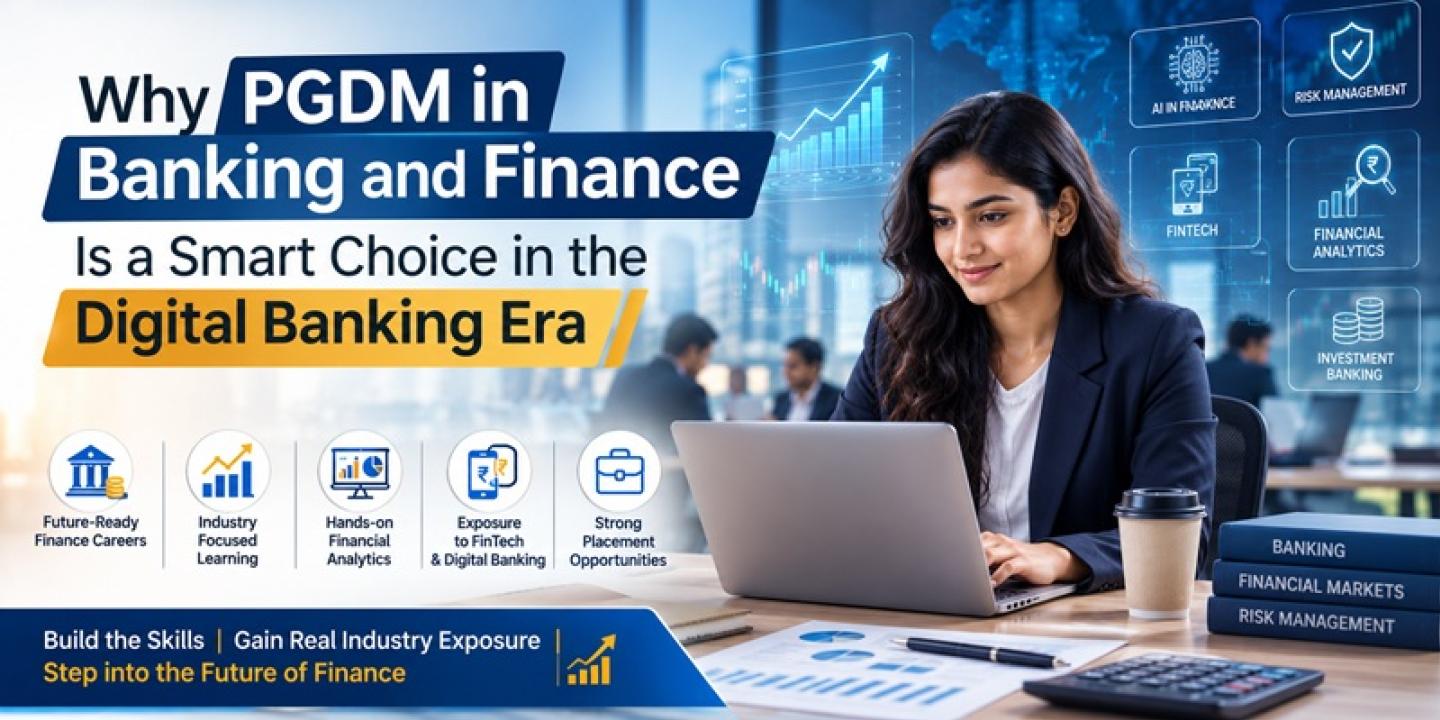
The banking industry has changed significantly over the past decade. Mobile banking, digital payments, artificial intelligence, financial analytics and automation have become part of everyday financial services. Banks and financial institutions now look for professionals who understand both finance and modern technology. This shift has increased the demand for specialised management education that prepares students for the future of financial services.
Students searching for the best institute for PGDM often look beyond academic reputation. They seek institutions that combine industry exposure, practical learning and technology-focused education. A well-designed management programme helps students understand the changing financial landscape and prepares them for evolving business roles.
Digital Banking Is Changing the Finance Industry
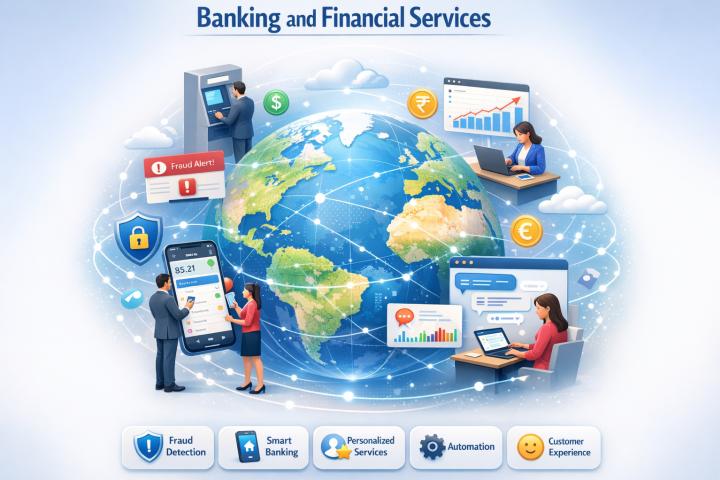
Traditional banking now works alongside digital platforms. Customers use mobile applications, online banking and digital wallets for most financial transactions. Artificial intelligence supports fraud detection, customer service, credit assessment and personalised financial products. Financial institutions also depend on data analytics to improve decision making and manage risk.
These developments have created opportunities for professionals who understand finance, technology and business strategy together.
Why Specialised Finance Education Matters
A general management programme builds strong business knowledge, but specialised finance education develops deeper expertise in banking, investments and financial markets.
A PGDM in banking and finance helps students build knowledge in areas such as:
Banking operations
Corporate finance
Investment analysis
Financial markets
Risk management
Financial technology
Business and financial analytics
Students also learn how digital technologies support modern financial services and business growth.
Practical Learning Creates Industry Readiness
Employers value graduates who understand real business situations. Practical exposure allows students to apply classroom concepts to workplace challenges.
Many leading management programmes include:
Live business projects
Corporate internships
Financial modelling
Case study discussions
Industry certifications
Guest sessions by finance professionals
These experiences help students build confidence while developing problem-solving and analytical skills that employers value.
AI and Analytics Have Become Essential Skills
Artificial intelligence has become an important part of banking and financial services. Banks use AI to improve customer experiences, monitor transactions, assess credit risk and automate repetitive processes. Data analytics also supports investment decisions, portfolio management and financial forecasting.
Management graduates who understand these technologies have stronger opportunities across traditional banking and emerging fintech organisations.
Career Opportunities Continue to Expand
Digital transformation has created a wide range of career options for finance graduates.
Common roles include:
Financial Analyst
Credit Analyst
Investment Banking Analyst
Risk Management Executive
Wealth Management Associate
Financial Consultant
Business Analyst
FinTech Specialist
These careers combine business knowledge with analytical thinking and technology awareness. The rapid growth of India's fintech sector has further increased the demand for skilled finance professionals.
Choosing the Right Management Institute
Students should evaluate several factors before selecting a management programme.
Important considerations include:
Industry-focused curriculum
Internship opportunities
Corporate partnerships
Faculty expertise
Professional certifications
Placement support
Exposure to emerging financial technologies
These elements contribute to stronger learning outcomes and better career preparation.
Conclusion
The financial sector continues to evolve through artificial intelligence, automation and digital banking. Future finance professionals need technical knowledge, analytical skills and practical business experience to succeed in this environment. Vivekanand Business School (VBS) offers a future-focused PGDM in banking and finance that combines a seven-module industry-aligned curriculum, financial analytics, FinTech exposure, professional certifications, a distinctive 15-month academic learning and 9-month internship structure, and strong industry engagement. This approach helps students build the knowledge and practical skills needed for successful careers in the digital banking era.