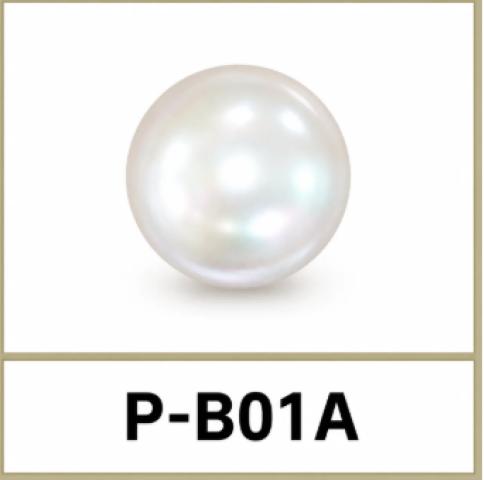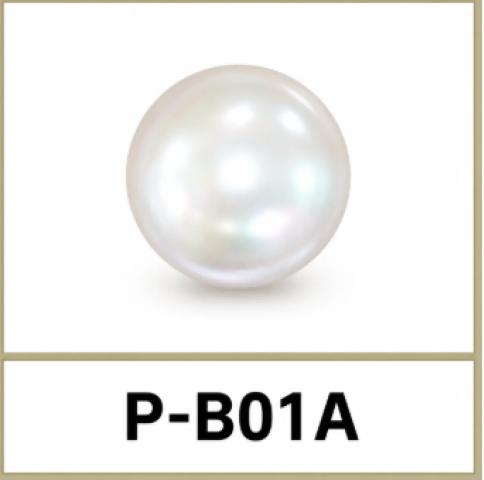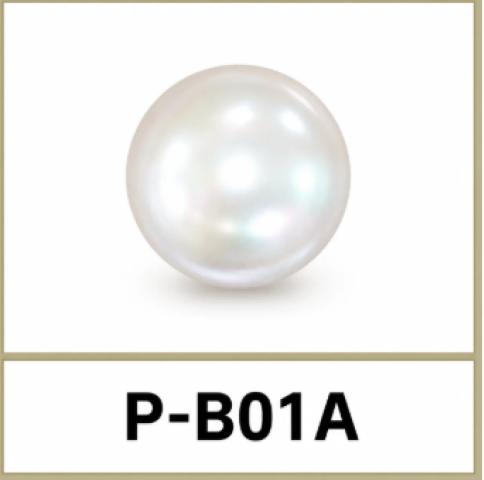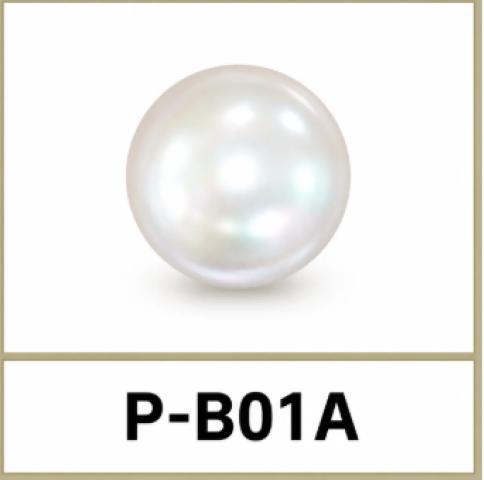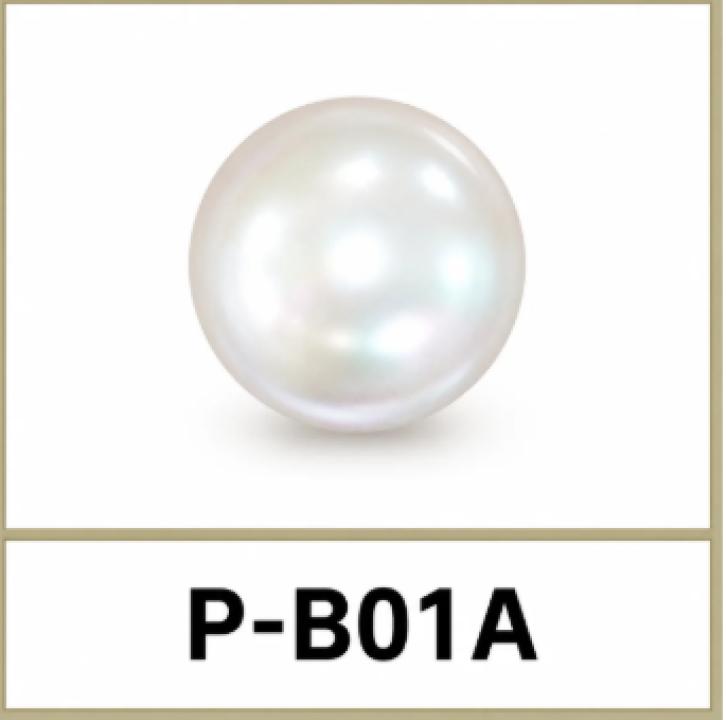
Manufacturers across different industries use special-effect pigments to make their products more visually appealing. Pearl pigments are particularly popular because they create silky shine, metallic brightness, soft shimmer, and colour-changing effects. These pigments can transform an ordinary surface into a premium-looking finish. A trusted Pearl Pigment Supplier India provides different colours, particle sizes, grades, and effect options for plastics, paints, printing inks, cosmetics, buttons, packaging, textiles, resin, and decorative products.
How Pearl Pigments Work
Pearl pigments create their special appearance by reflecting and transmitting light through several thin layers. They are commonly manufactured using mica particles coated with titanium dioxide, iron oxide, or similar materials.
When light falls on the flat pigment particles, it reflects from different coated surfaces. The interaction between these reflected light waves creates a pearlescent shine. Depending on the coating thickness and pigment structure, the effect may appear silver, gold, bronze, copper, red, blue, green, violet, or multicoloured.
Unlike ordinary pigments, pearl pigments can produce depth and movement. Their appearance may change according to the viewing angle, light source, background colour, and application thickness.
Different Pearl Pigment Effects
Pearl pigments are available in several categories to meet different product requirements. Silver-white pigments produce a clean and elegant shine. They are commonly used in cosmetics, plastic packaging, decorative coatings, and printing applications.
Gold pearl pigments offer warm and luxurious shades. They may range from light champagne gold to rich antique gold. Bronze and copper pigments create deeper metallic effects suitable for jewellery, furniture coatings, craft products, and decorative plastics.
Interference pigments produce a transparent appearance on light backgrounds but reveal vivid colours over darker surfaces. They may display blue, green, violet, red, or golden reflections.
Colour-shifting pigments show different colours when viewed from changing angles. These advanced effects are used in automotive coatings, resin products, premium packaging, customised accessories, and decorative applications.
Applications in Plastic Manufacturing
Plastic manufacturers use pearl pigments in containers, bottles, caps, household products, toys, electrical components, cosmetic packaging, stationery, buttons, and moulded accessories.
The pigment can be mixed into plastic resin or masterbatch before moulding. Correct dispersion helps create an even shine across the finished product. The selected pigment must also tolerate the processing temperature of the plastic material.
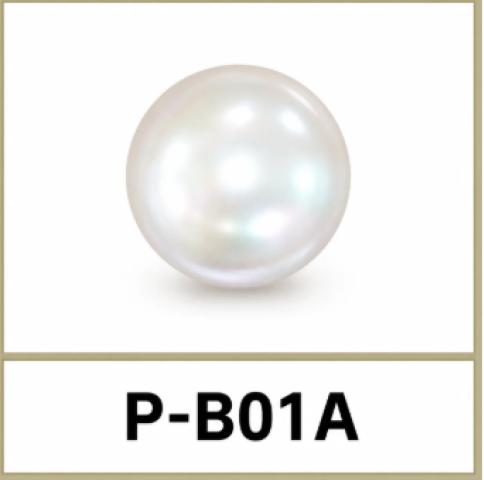
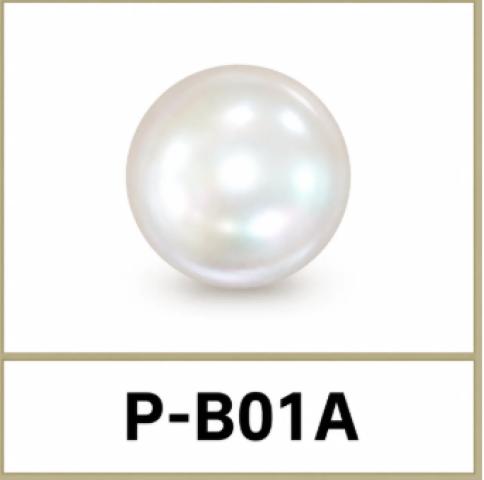
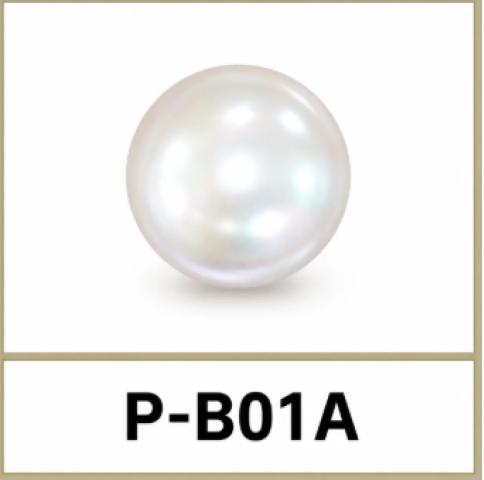
Pearl pigments are particularly useful in button manufacturing. They can create classic pearl effects, metallic shades, marble patterns, and sparkling finishes. A knowledgeable Pearl Pigment Supplier India can recommend suitable grades according to the plastic type and manufacturing process.
Use in Paints and Coatings
Pearl pigments are widely added to decorative paints, automotive coatings, furniture finishes, industrial coatings, powder coatings, and wall textures.
Fine particles create a smooth satin effect, while larger particles offer stronger sparkle. Transparent and semi-transparent coating systems generally show pearl effects more clearly because light can travel through the layers.
The orientation of pigment particles also affects the final appearance. Proper application techniques help the particles lie evenly and reflect light in a uniform manner.
Printing and Packaging Solutions
Printing companies use pearl pigments to make packaging and promotional materials look more attractive. These pigments are suitable for screen printing, flexographic printing, gravure printing, speciality inks, and selected offset applications.
They are commonly used on invitation cards, gift boxes, labels, cosmetic packaging, greeting cards, brochures, shopping bags, and luxury cartons.
Fine particle sizes are generally preferred for detailed printing because they pass through screens and printing equipment more easily. Coarser particles may require specialised printing systems.
Choosing the Correct Pigment Grade
Manufacturers should consider the base material, processing temperature, particle size, background colour, and required finish before selecting a pearl pigment.
Fine pigments are suitable for soft and smooth effects. Medium particles offer a balance of brightness and sparkle, while coarse particles create bold visual impact.
Testing the pigment in the actual formulation is essential. A sample test helps evaluate dispersion, colour, shine, compatibility, coverage, and processing behaviour before purchasing a bulk quantity.
Supplier Quality and Technical Assistance
A reliable supplier should maintain consistent shade, particle size, purity, and performance across different batches. Variations may affect the final appearance of products and create problems during large-scale manufacturing.
Technical guidance helps customers select the right pigment and application method. Suppliers may also provide product specifications, recommended dosage, safety documents, and storage instructions.
Pearl pigments should be stored in sealed containers in a dry and clean location. Careful handling helps protect the particles from moisture and contamination.
Frequently Asked Questions
What are pearl pigments made from?
They are commonly made from mica particles coated with titanium dioxide, iron oxide, or other special materials.
Where can pearl pigments be used?
They can be used in plastics, paints, inks, cosmetics, buttons, packaging, resin, textiles, and decorative coatings.
Which pearl pigment gives maximum sparkle?
Coarse particle pigments generally provide stronger sparkle than fine particle pigments.
Can pearl pigments be mixed with regular colours?
Yes, they can be mixed with transparent or coloured bases to create customised effects.
Why is technical guidance important?
Technical guidance helps manufacturers select the right pigment grade, dosage, particle size, and mixing process.
Conclusion
Choosing a dependable Pearl Pigment Supplier India enables manufacturers to achieve consistent shades, attractive shine, and reliable product performance. With different colours, particle sizes, metallic tones, and colour-shifting options available, pearl pigments can enhance a wide variety of products. Proper testing, careful handling, and expert supplier support help businesses create high-quality finishes that attract customer attention.