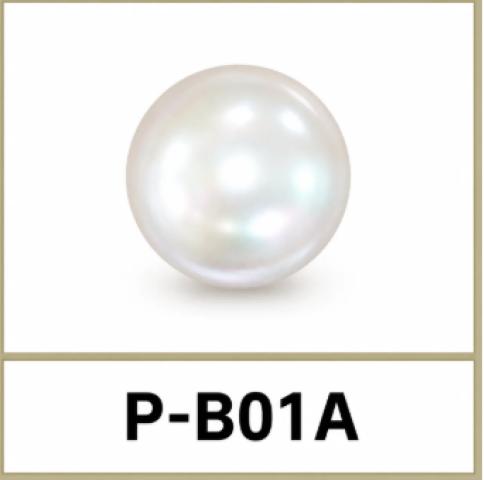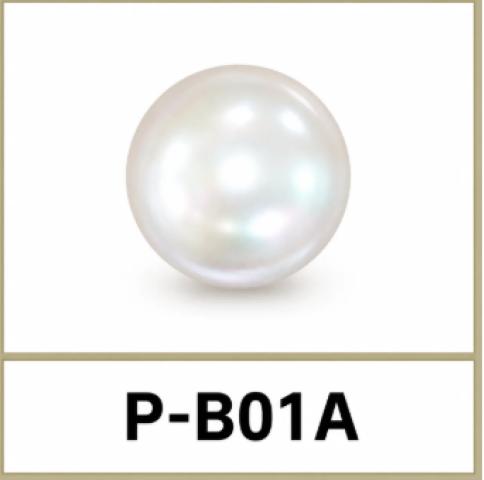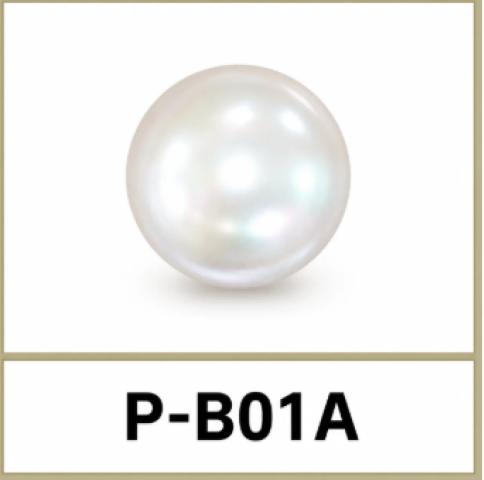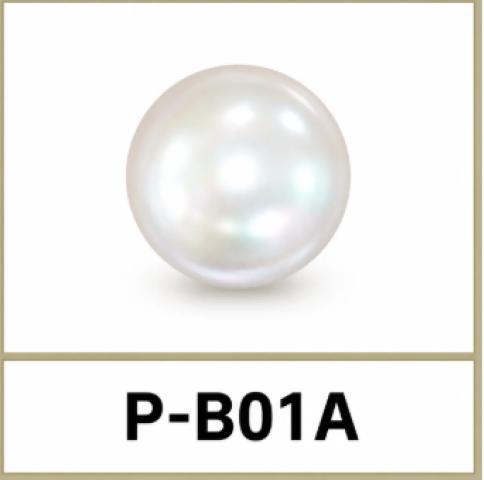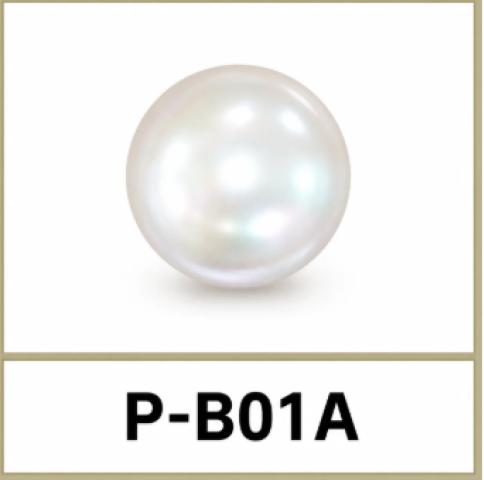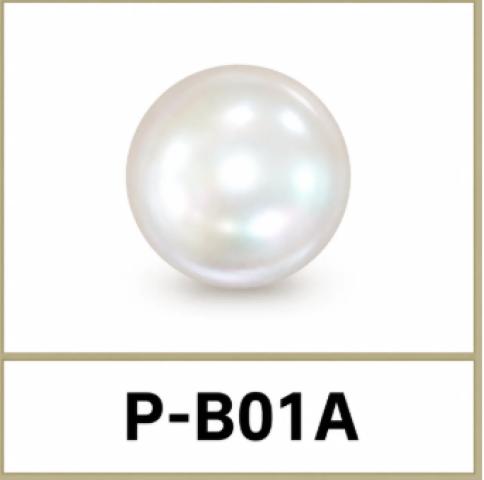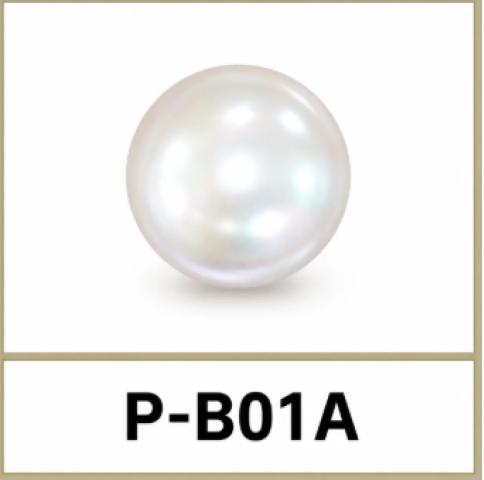

Pearl pigments allow manufacturers to give ordinary products a distinctive and premium appearance. Their reflective particles create soft glow, metallic shine, satin depth, sparkling highlights, and colour-changing effects under different lighting conditions.
A reliable Pearl Pigment Supplier India supports manufacturers with suitable grades for paints, plastics, printing inks, packaging, buttons, cosmetics, leather finishes, textiles, and decorative products. The supplier’s ability to maintain shade consistency, provide technical guidance, and fulfil bulk orders plays an important role in uninterrupted production.
Creating Attractive Effects with Pearl Pigments
Pearl pigments do not work like standard opaque colourants. They contain thin, light-reflective layers that create visual depth instead of producing a flat shade.
Manufacturers generally produce these pigments by coating natural mica, synthetic mica, or other transparent substrates with metal oxides. Light enters the coated layers, reflects from different surfaces, and produces the characteristic pearlescent appearance.
The finished effect depends on several factors. These include particle size, coating thickness, pigment concentration, background colour, surface texture, lighting, and viewing angle.
Fine particles create a smooth, silky, and subtle shine. Medium-sized particles provide balanced brightness and coverage. Coarse grades offer bold sparkle and strong reflection.
Manufacturers can also combine pearl pigments with transparent colours to develop customised shades. Careful formulation helps preserve the reflective effect while achieving the required colour tone.
Pearl Pigments for Plastic Products
The plastic industry uses pearl pigments to manufacture attractive bottles, caps, containers, buttons, toys, household products, cosmetic packaging, electrical accessories, and decorative components.
The pigment may be mixed directly with plastic resin or supplied through a compatible masterbatch. Correct dispersion helps maintain uniform shade and reflection across the complete product.
Poor mixing can create flow marks, streaks, uneven shine, or colour variation. Manufacturers should therefore test the pigment with the selected resin, mould design, and processing method.
Heat stability is another important factor. A pigment used in injection moulding or extrusion must withstand the required processing temperature without losing colour or brightness.
Transparent and lightly coloured plastics generally create clean pearlescent effects. Dark backgrounds can increase the visibility of interference and colour-shifting pigments.
Applications in Paints and Surface Coatings
Pearl pigments are widely used in automotive paints, decorative coatings, furniture finishes, industrial coatings, architectural products, and craft materials.
Silver-white grades create a clean pearl appearance. Gold pigments provide a warm and luxurious effect, while bronze and copper shades add depth to traditional and decorative designs.
Interference pigments may look almost transparent on a white surface but show bright colours over a dark background. Colour-shifting pigments display different tones when the viewing angle changes.
Manufacturers should introduce pearl pigments during the correct stage of mixing. Excessive grinding can damage the reflective structure and reduce shine.
Exterior applications may require pigments with suitable resistance to sunlight, moisture, chemicals, and weather conditions. Sample panels can help manufacturers compare appearance and performance before starting commercial production.
Printing and Packaging Solutions
Pearl pigments help brands create packaging that appears elegant and visually distinctive. They are commonly used in cosmetic boxes, gift packaging, labels, wedding cards, greeting cards, brochures, wallpapers, and promotional prints.
The pigment can highlight selected design areas such as logos, borders, patterns, product names, and decorative symbols.
Pearlescent grades may be used in compatible screen-printing, gravure, flexographic, and speciality ink systems. The particle size must match the screen opening, printing equipment, and ink formulation.
Fine pigments support detailed and smooth printing. Larger particles create stronger sparkle but may require specialised equipment.
A trial print helps manufacturers evaluate ink flow, adhesion, drying time, colour strength, and final reflection before approving a large production run.
Selecting the Right Pearl Pigment Supplier
An experienced Pearl Pigment Supplier India should understand the requirements of different manufacturing industries. A pigment suitable for plastic moulding may not be appropriate for cosmetics or printing.
The supplier should provide clear technical information about particle size, heat resistance, recommended dosage, application compatibility, and storage conditions.
Batch consistency is equally important. Manufacturers need similar shades, brightness, and particle distribution in every repeat order. Unexpected variation may affect product matching and customer acceptance.
Secure packaging protects pigments from moisture, dust, contamination, and physical damage. Reliable stock availability and timely delivery help businesses maintain planned production schedules.
Manufacturers should always request a sample before placing a bulk order. Testing reduces the risk of compatibility problems, shade differences, poor dispersion, and unnecessary material wastage.
Frequently Asked Questions
What makes pearl pigments reflective?
Their coated, transparent particles reflect and transmit light through multiple layers, creating shimmer, depth, and metallic effects.
Can pearl pigments be used in plastic moulding?
Yes. Suitable heat-resistant grades can be used in injection moulding, blow moulding, and extrusion after compatibility testing.
Which pigment size provides the strongest sparkle?
Coarse particle grades generally create brighter sparkle and stronger reflection than fine grades.
Can manufacturers create custom shades?
Yes. Pearl pigments can be combined with compatible transparent dyes and conventional colours to develop customised effects.
How should pearl pigments be stored?
They should be stored in tightly sealed packaging in a clean, dry location away from moisture and contamination.
Conclusion
Choosing a trusted Pearl Pigment Supplier India helps manufacturers obtain consistent colour effects, dependable quality, technical support, and regular material availability.
The correct selection of pigment shade, particle size, dosage, base colour, and processing method can produce attractive pearl, metallic, satin, sparkling, and colour-changing finishes. Proper sample testing and reliable sourcing help maintain better product quality across every production batch.