The brown fused alumina price trend has become an important topic for manufacturers, traders, and procurement professionals involved in abrasive, refractory, and surface treatment industries. Brown fused alumina is widely recognized for its high hardness, durability, and thermal stability, making it an essential raw material across several industrial applications. As industries continue to expand globally, understanding price movement has become increasingly valuable for businesses seeking better purchasing strategies and cost management.
Market prices for brown fused alumina rarely remain constant. They are influenced by changes in raw material availability, production costs, global demand, energy prices, and international trade conditions. Monitoring the brown fused alumina Prices, brown fused alumina Price Index, and brown fused alumina Price Chart helps businesses understand market direction and make informed sourcing decisions.
Brown Fused Alumina Market Overview
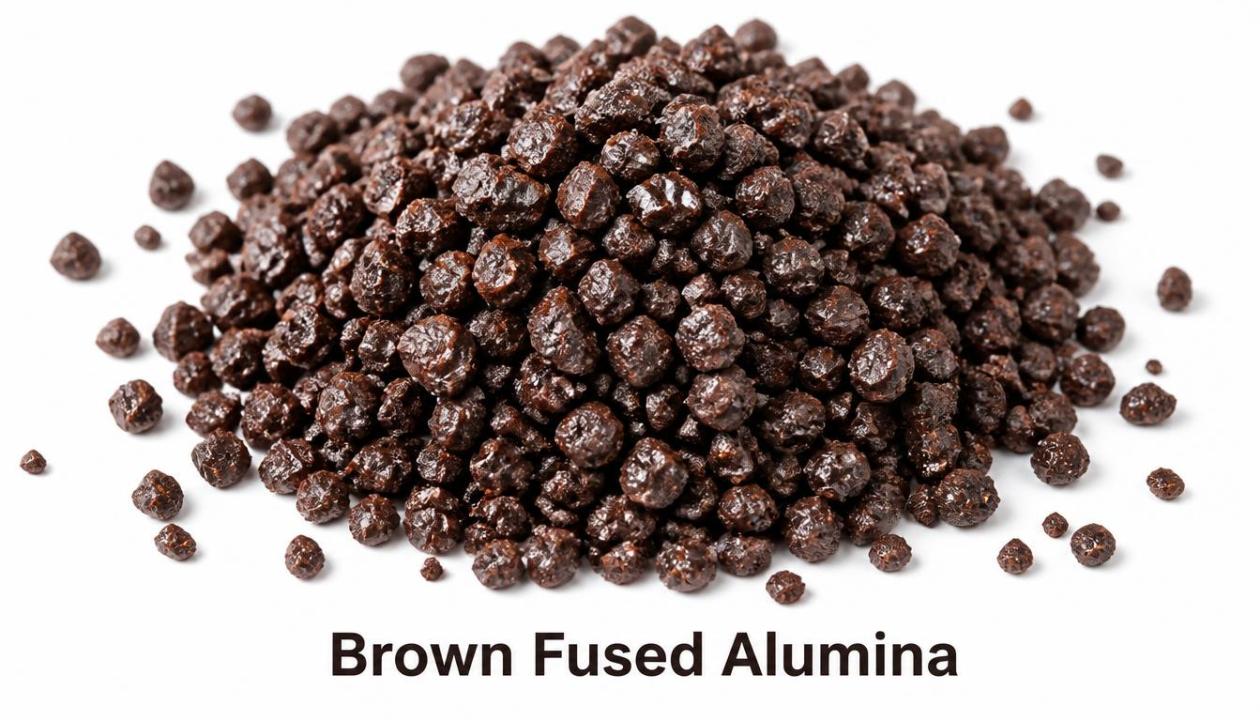
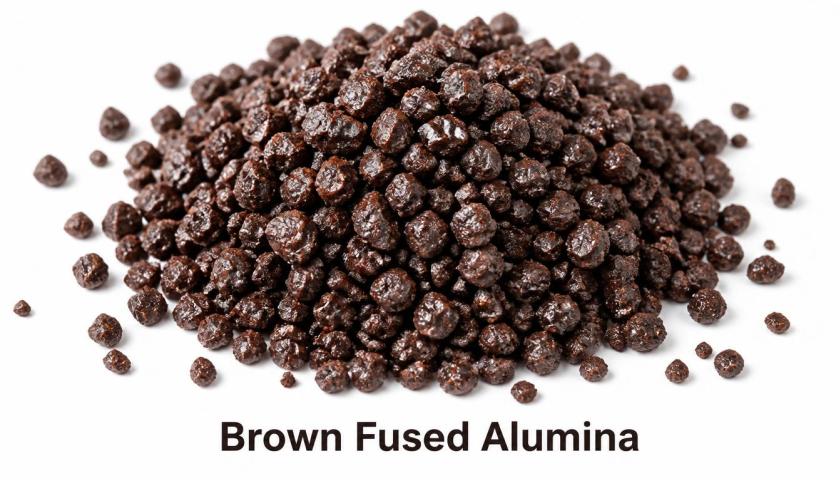
Brown fused alumina is produced by melting high-quality bauxite in electric arc furnaces at extremely high temperatures. The resulting material offers excellent toughness, wear resistance, and chemical stability, making it suitable for grinding wheels, coated abrasives, refractory bricks, blasting media, and ceramic applications.
The global market continues to grow as industrial production expands across construction, automotive, aerospace, metal fabrication, and manufacturing sectors. Growing infrastructure development and increasing demand for precision machining have strengthened the importance of this industrial mineral.
The brown fused alumina price trend reflects these changing market conditions. Buyers frequently monitor pricing data to identify favorable purchasing opportunities while suppliers evaluate market sentiment before adjusting production or inventory strategies.
👉 👉 👉 Please Submit Your Query for brown fused alumina price trend, demand-supply, suppliers, market analysis: https://www.price-watch.ai/book-a-demo/
Factors Influencing Brown Fused Alumina Price Trend
Several interconnected factors influence the movement of the brown fused alumina Price Trend throughout the year.
The availability and quality of bauxite remain one of the most important pricing factors. Since bauxite serves as the primary raw material, any disruption in mining operations or transportation can directly impact production costs.
Energy expenses also play a major role because manufacturing brown fused alumina requires electric arc furnaces operating at extremely high temperatures. Rising electricity costs or changes in fuel prices often increase production expenses, which can eventually influence market prices.
Labor costs, environmental regulations, and maintenance expenses further affect manufacturing operations. In regions where stricter environmental policies require cleaner production methods, manufacturers may experience higher operating costs that contribute to pricing adjustments.
Global logistics continue to influence market performance as well. Freight rates, container availability, shipping delays, and port congestion can increase total procurement costs, particularly for international buyers.
Supply and Demand Dynamics
Supply and demand remain at the center of every brown fused alumina price trend analysis. When manufacturing activity expands, demand for abrasives and refractory materials generally rises, supporting stronger market prices.
Construction projects, steel manufacturing, automotive production, and precision engineering industries all consume significant quantities of brown fused alumina. Increased industrial output in these sectors usually creates additional purchasing activity.
On the supply side, production capacity, raw material availability, and factory operating rates determine market balance. If manufacturers experience production interruptions due to equipment maintenance, power shortages, or limited raw material supply, available inventories may decline, creating upward pressure on prices.
Conversely, when production increases faster than demand, inventories may accumulate, resulting in relatively stable or softer pricing conditions. Understanding these relationships helps businesses anticipate future market movements rather than reacting after prices have already changed.
Understanding Brown Fused Alumina Prices Through Price Index and Price Chart
Many procurement professionals rely on the brown fused alumina Price Index to evaluate long-term pricing behavior. The price index offers a structured view of market movement by tracking changes over time instead of focusing on individual transactions.
Comparing historical pricing patterns allows companies to recognize seasonal fluctuations, production cycles, and recurring market trends. This information supports budgeting, procurement planning, and supplier negotiations.
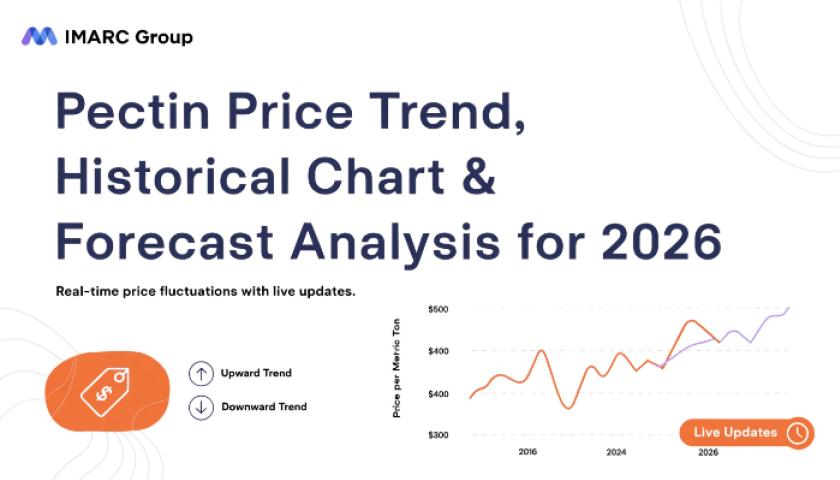
Similarly, a brown fused alumina Price Chart provides a visual representation of historical and recent market performance. Charts help identify upward trends, periods of stability, and temporary corrections that may result from changes in supply or demand.
Using both the price index and price chart together gives businesses a broader understanding of market conditions while improving forecasting accuracy for future purchasing decisions.
Regional Market Insights
Regional manufacturing activity significantly influences the global brown fused alumina price trend.
Asia-Pacific remains one of the largest production and consumption regions due to its extensive manufacturing base and well-developed abrasive industries. Countries with significant industrial output continue to influence both production volumes and export availability.
North America maintains steady demand driven by advanced manufacturing, aerospace, metalworking, and infrastructure projects. Buyers in this region closely monitor global supply conditions because imported material often plays an important role in meeting industrial demand.
Europe continues to prioritize high-quality refractory and abrasive materials for automotive, engineering, and industrial manufacturing. Environmental regulations and energy costs occasionally affect production economics, influencing regional pricing.
Emerging economies across Latin America, the Middle East, and Africa are also contributing to market expansion as industrialization and infrastructure development continue to create additional demand for abrasive materials.
Industry Challenges Affecting Market Performance
Despite positive long-term demand, the brown fused alumina industry continues to face several operational challenges.
Energy price volatility remains one of the largest concerns because electricity represents a significant portion of production costs. Sudden increases in power expenses can quickly influence manufacturing economics.
Supply chain disruptions continue to create uncertainty for international trade. Delays in transportation, higher freight costs, and changing shipping schedules may affect delivery timelines and purchasing strategies.
Environmental sustainability has become another important consideration. Manufacturers are increasingly investing in cleaner production technologies, improved emissions control, and greater resource efficiency to comply with evolving environmental standards.
Market competition also influences pricing behavior. Producers continuously work to improve operational efficiency while maintaining consistent product quality in order to remain competitive in both domestic and international markets.
Future Outlook for Brown Fused Alumina Price Trend
The long-term outlook for the brown fused alumina price trend remains closely connected to industrial growth, technological development, and infrastructure investment.
Continued expansion in automotive manufacturing, renewable energy projects, construction activities, and advanced engineering applications is expected to support steady demand for high-performance abrasive materials.
Digital procurement systems and improved market intelligence are enabling companies to monitor brown fused alumina Prices more effectively. Businesses increasingly rely on historical pricing data, market analysis, and forecasting tools to optimize purchasing decisions and reduce procurement risks.
Future price movement will continue to depend on raw material availability, electricity costs, environmental regulations, and global economic conditions. Companies that regularly monitor market indicators and adapt procurement strategies accordingly will be better positioned to manage changing market conditions.
Conclusion
The brown fused alumina price trend reflects the combined influence of raw material costs, energy prices, industrial demand, supply chain efficiency, and regional manufacturing activity. Monitoring brown fused alumina Prices, the brown fused alumina Price Index, and the brown fused alumina Price Chart provides valuable insights for manufacturers, distributors, and procurement professionals seeking greater visibility into market dynamics.
As global industries continue to evolve, understanding these pricing factors becomes increasingly important for making informed business decisions. A consistent focus on market developments, historical pricing patterns, and future demand expectations enables organizations to strengthen procurement planning, manage costs more effectively, and respond confidently to changing market conditions.
👉 👉 👉 Please Submit Your Query for brown fused alumina price trend, demand-supply, suppliers, market analysis: https://www.price-watch.ai/book-a-demo/
About Price-Watch™
Price-Watch™ is an India-based, independent price reporting agency (PRA) that provides real-time price forecasts and data-driven insights into global raw material markets. It specializes in tracking prices, analyzing market trends, and delivering timely updates on plant shutdowns, supply disruptions, capacity expansions, and demand–supply dynamics. Price-Watch™ reporting goes beyond prices to include grade-level insights, applications, and country-level demand intelligence you can trust. Powered by AI forecasting and over a decade of historical data, the Price-Watch™ platform empowers manufacturers, traders, and procurement professionals to make faster, smarter decisions and turn market volatility into actionable opportunity.
Futura Tech Park,
C Block, 8th floor 334,
Old Mahabalipuram Road,
Sholinganallur, Chennai, Tamil Nadu, Pin code - 600119.
Linkedin: https://www.linkedin.com/company/price-watch-ai/
Facebook: https://www.facebook.com/people/Price-Watch/61568490385598/
Twitter: https://x.com/pricewatchai
Website: https://www.price-watch.ai/