A common framing in AI product discussions treats agents as the automatic upgrade to workflow automation, as if adopting an agent is always the more advanced choice. That framing misses the actual decision, which has nothing to do with which technology is newer and everything to do with what kind of control model a specific workflow needs.
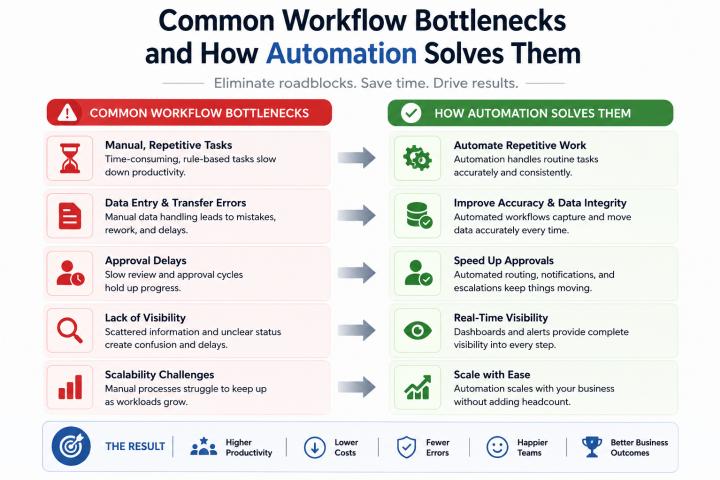
A workflow automation app follows a predefined pattern: a trigger occurs, and a fixed set of actions runs. This is predictable and testable, and it becomes brittle exactly when an input changes shape or an integration updates in a way the fixed workflow did not anticipate. An AI agent works differently. It interprets a goal, selects steps, uses available tools, and adapts to context within defined boundaries. That adaptability is genuinely useful, and it is also why an agent is harder to evaluate with a simple pass or fail test than a fixed workflow is.
The practical rule that tends to hold up: if every step of a task is known in advance, a workflow automation app is usually the right tool, and it is usually the safer and easier one to maintain. If the correct path depends on screen state, ambiguous user intent, or an interface that changes, an agent becomes worth the added complexity it introduces.
Automation apps break down in specific, recognizable ways. An API may not exist for the action a workflow needs to take. A connector may expose only part of an application's real functionality. Authentication scopes, administrative approvals, or platform rules can block execution entirely. A UI-based script can break the moment a layout or label changes. None of this makes automation apps a weak choice, it means they are built for known, stable paths, and they are excellent at that job specifically.
Where agents become relevant is the harder category: look at what is currently on a screen, decide what matters, navigate to the correct place, and confirm before submitting anything. This is also where a specific phrase, often summarized as an agent that acts the way a person would through the visible interface, needs to be understood precisely. That phrase describes an observability property, not a trust property. It means the agent's actions happen through the same visible interface a person would use, which makes the sequence something that can be watched, reviewed, and interrupted. It does not mean the agent understands every consequence of an action the way a person does. Visible interaction improves how inspectable an agent's behavior is. It does not by itself improve the correctness of that behavior, and treating those two properties as the same thing is a common and costly mistake.
Because of that distinction, a small set of control points matters regardless of which specific agent or platform is involved. Execution should be visible rather than hidden. A user should be able to interrupt a task mid-run. Redirection should be possible without restarting the entire task from the beginning. Actions with real consequences, sending a message, submitting a form, changing an account setting, initiating a payment, should pause for explicit human confirmation rather than proceeding automatically regardless of model confidence. Developers should be able to inspect action traces after the fact, and the system should have defined boundaries and recovery paths rather than simply failing silently when something goes wrong.
Evaluation also has to change for this category. Traditional automation can be tested with logs and integration checks. Interface-level agents need additional methods: screen-state capture, step-by-step action traces, replayable sessions, failure classification, and specific tests of confirmation behavior before anything is trusted with real tasks.
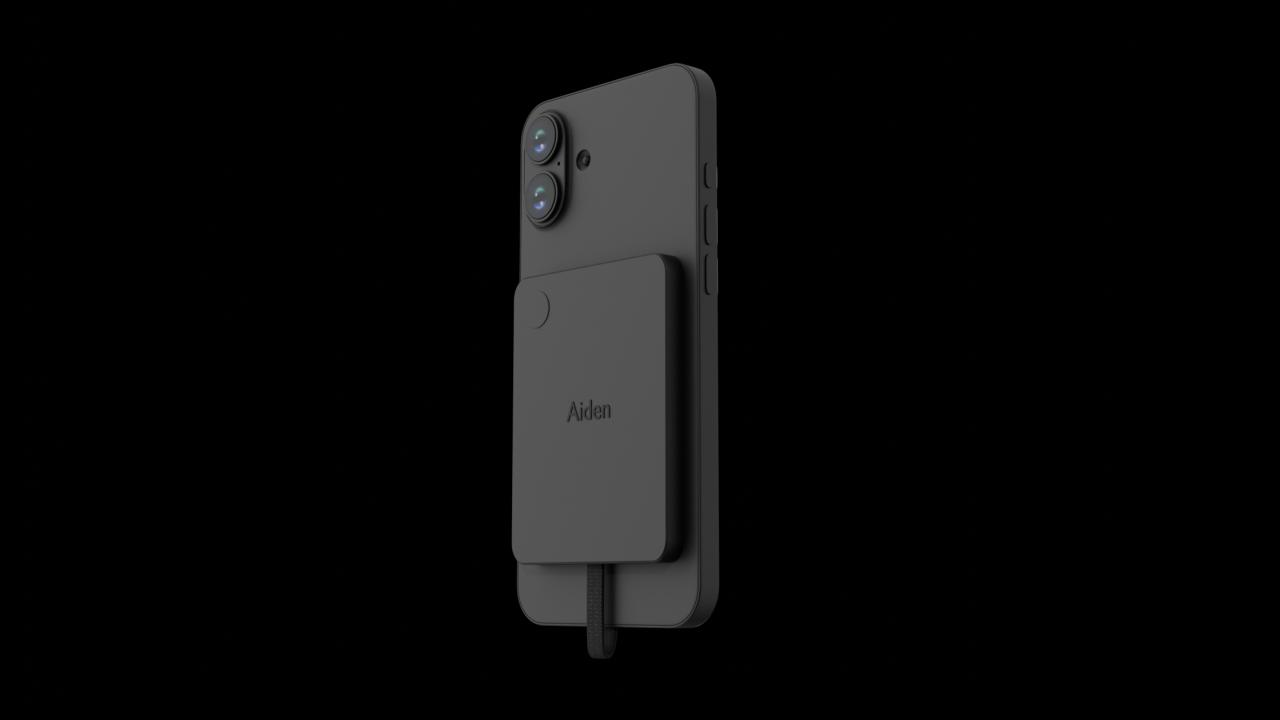
Aiden is one example of a system built specifically around this problem: a physical mobile AI agent device designed to operate real smartphone and computer interfaces directly, rather than depending on app-specific automation APIs to exist in the first place. Its current development-board approach uses HDMI-based screen capture paired with USB HID input, with an on-device agent runtime that sends screenshots to a configured multimodal model and writes the resulting input commands back to the device. In practical terms, it is built to see a screen and act through standard input, which matters most exactly where the API-based approach runs out: apps that expose no API and no reliable accessibility layer at all.
One setup detail worth stating plainly rather than implying away: current iOS control requires AssistiveTouch to be enabled on the target device, which is a real setup step rather than an instant connection, and Android and iPhone support are both still in active development rather than fully equivalent today.
The broader point extends past any single product. Agents do not make workflow automation obsolete. They extend what is attemptable into the territory where a workflow crosses from clean structured data into a messy real interface, and that extension is precisely why visibility, interruptibility, and confirmation matter more in this category, not less.
More on this approach: https://aidenai.io