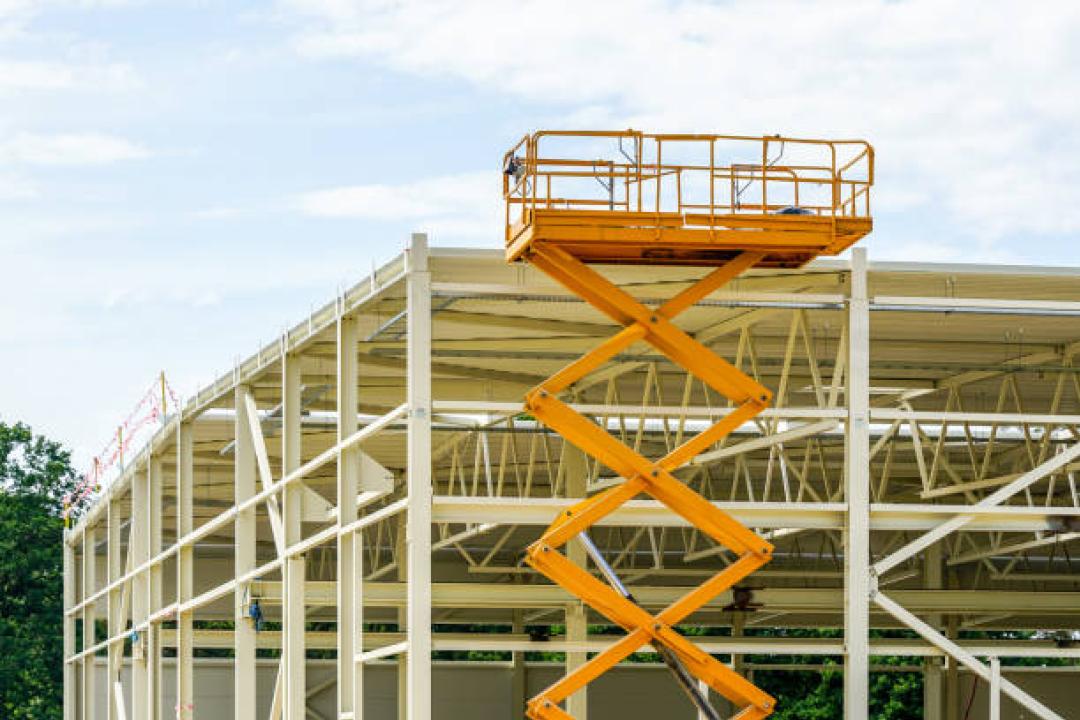
A scissor lift is one of the most versatile pieces of elevated work platform equipment available for industrial and construction use. It provides stable, vertical access to heights ranging from 4 to over 14 metres, making it suitable for warehouse racking, ceiling maintenance, façade work, and structural installations. Whether you need a scissor lift rent for a single project or ongoing site operations, this equipment consistently delivers safe and efficient results across multiple industries.
Why Scissor Lifts Are the Go-To Choice for Elevated Work
Scissor lifts offer a unique combination of load capacity, platform stability, and ease of operation. Unlike boom lifts, they move vertically in a straight line, which makes them ideal for tasks that require a stable working platform directly above the base unit. Operators can move tools, materials, and even multiple workers safely at the same time.
In Singapore, the Workplace Safety and Health (WSH) Act governs the safe use of elevated work platforms on all work sites. The Ministry of Manpower (MOM) requires that operators of mobile elevated work platforms (MEWPs) undergo proper training and that equipment meets safety standards before deployment. Choosing certified, well-maintained equipment is not optional — it is a legal requirement.
Key Industries That Rely on Scissor Lift Rental in Singapore
The demand for scissor lift rental in Singapore spans across sectors. Here is how each major industry puts this equipment to work.
1. Warehouses and Logistics Facilities
Modern warehouses in Singapore operate with high-bay racking systems that can reach 8 to 12 metres in height. Workers need reliable access for stock retrieval, inventory audits, and rack maintenance — tasks that are unsafe and inefficient when done by ladder alone.
Electric scissor lifts are particularly well-suited here. They produce zero emissions, operate quietly, and leave no marks on smooth warehouse floors. Their compact footprint allows them to navigate tight aisles between racking rows. For facility managers running continuous operations, renting rather than purchasing keeps maintenance responsibility off their books while ensuring they always have a fully serviced unit on-site.
2. Construction Sites
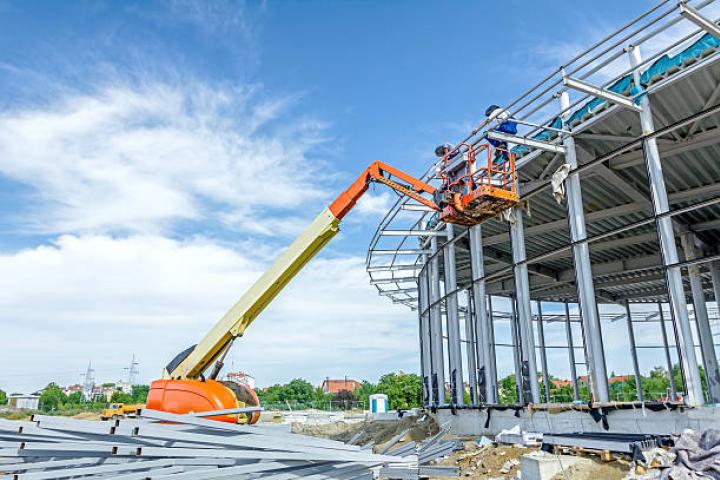
Construction access is one of the primary use cases for scissor lifts across Singapore's residential, commercial, and industrial building projects. During the fit-out and finishing phases, crews use scissor lifts for:
Installing suspended ceilings and light fixtures
Sprinkler and ACMV system installation
Painting and plastering at height
Glass façade installation on lower floors
Structural steel connection and inspection work
Rough-terrain scissor lifts are designed specifically for outdoor and uneven surfaces common on active construction sites. With larger tyres and enhanced stability systems, they handle ground conditions that standard electric models cannot manage safely.
3. Retail and Commercial Fit-Outs
Shopping malls, hotels, and office buildings regularly undergo renovation and maintenance cycles. Scissor lifts give fit-out contractors controlled access for signage installation, lighting upgrades, and HVAC maintenance — all without the time and cost of erecting traditional scaffolding.
The speed advantage is significant. A scissor lift can be repositioned across a floor in minutes. A scaffolding structure takes hours to dismantle and rebuild. For time-sensitive commercial projects in Singapore, that difference directly affects project delivery timelines.
4. Industrial Plants and Manufacturing Facilities
Petrochemical plants, food processing facilities, and electronics manufacturing sites require periodic maintenance of overhead equipment — conveyor systems, ventilation ducting, electrical conduits, and more. Scissor lifts allow maintenance teams to work at height with both hands free, carrying tools and replacement parts on the platform.
In controlled environments such as cleanrooms or food-grade facilities, electric scissor lifts are the only viable option. They do not produce exhaust fumes or particulates that would contaminate the environment.
Electric vs. Rough-Terrain Scissor Lifts: Which One Do You Need?
Choosing the right type is just as important as deciding to rent. Here is a direct comparison:
Feature | Electric Scissor Lift | Rough-Terrain Scissor Lift
|
|---|---|---|
Best For | Indoor use, smooth floors | Outdoor, uneven ground |
Power Source | Battery-powered | Diesel or dual-fuel engine |
Emissions | Zero emissions | Engine exhaust produced |
Platform Height | Up to 12 metres typically | Up to 14+ metres |
Floor Load Sensitivity | Lower ground pressure | Higher — check floor ratings |
Typical Applications | Warehouses, fit-outs, factories | Construction sites, outdoor maintenance |
What to Check Before You Rent a Scissor Lift
Not every rental unit is equal. Before committing to a scissor lift rent agreement, verify the following:
Platform height and load capacity — Match the unit specifications to your actual job requirements, not just an estimate.
Service and maintenance records — A well-maintained machine reduces the risk of breakdowns mid-project.
Operator certification support — Confirm whether the rental provider can advise on MOM-compliant operator requirements.
Delivery and collection logistics — In Singapore's dense urban environment, site access for delivery vehicles is often a constraint.
Rental duration flexibility — Daily, weekly, and monthly rates vary significantly. Match the rental term to your project phase, not the full project duration.
How Scissor Lifts Improve Site Productivity
The productivity case for renting a scissor lift over using ladders or fixed scaffolding is straightforward. A two-person team using a scissor lift can cover significantly more area per shift. Workers spend less time climbing, repositioning, and waiting — and more time doing billable, value-adding work.
For warehouse operators, this means faster stock counts and quicker rack installations. For construction project managers, it means tighter finishing schedules and fewer delay-related costs. The equipment pays for itself quickly when deployed correctly.
Choosing a Reliable Scissor Lift Rental Partner in Singapore
The quality of your rental experience depends heavily on the supplier. Look for a provider with a well-maintained fleet, transparent pricing, and the ability to offer technical guidance on equipment selection. Response time on breakdowns and replacements matters — a stalled lift on an active site creates costly downtime for your entire crew.
ANG Equipment offers scissor lift rental in Singapore with a fleet suited for both indoor and outdoor applications. Their team supports clients across construction, warehousing, and industrial sectors, helping match the right equipment to each project's specific access and load requirements. For businesses that need dependable construction access equipment backed by proper service support, explore the full range at ANG Equipment.
Frequently Asked Questions
What is the typical rental cost for a scissor lift in Singapore?
Scissor lift rental rates in Singapore vary based on platform height, lift type, and rental duration. Electric models for indoor use are generally more affordable than rough-terrain diesel units. Requesting a quote based on your specific project duration and equipment specifications will give you the most accurate pricing.
Do I need a licence to operate a scissor lift in Singapore?
In Singapore, operators of mobile elevated work platforms (MEWPs) including scissor lifts must be trained and competent as required under the Workplace Safety and Health Act. MOM guidelines specify that operators should complete relevant WSQ or equivalent training before operating this equipment on any work site.
Can a scissor lift be used indoors in a warehouse?
Yes. Electric scissor lifts are specifically designed for indoor use. They produce no emissions, operate quietly, and their compact design suits the narrow aisles found in most warehouse environments. Always confirm the floor load rating of your facility before deploying any elevated work platform indoors.
What is the maximum height a scissor lift can reach?
Most electric scissor lifts reach working heights between 6 and 12 metres, while rough-terrain models can extend beyond 14 metres. The right height depends on your task requirements. Always select a model with at least 1 to 1.5 metres of clearance above your actual working height for safety compliance.
How long does it take to get a scissor lift delivered to a site in Singapore?
Most equipment rental providers in Singapore can arrange delivery within one to two business days depending on fleet availability and site access requirements. For urgent project needs, contact your rental provider early to confirm availability and plan logistics, especially for sites with restricted vehicle access or loading bay constraints.
Is it better to rent or buy a scissor lift for a construction project?
Renting is typically the smarter choice for project-based construction work. It eliminates capital expenditure, servicing costs, and storage requirements. Renting also allows you to select the most appropriate model for each project phase rather than being locked into one unit that may not suit every application on your site.