A dependable garage door is an essential part of your home’s security, convenience, and exterior appearance. Operating multiple times a day, your garage door setup relies on a delicate balance of heavy-duty springs, steel cables, tracks, and electronic sensors. Over time, regular wear and tear can cause mechanical parts to loosen, squeak, or fail entirely. To ensure your garage system operates smoothly, safely, and quietly for years to come, take a moment to learn more about our team and discover how expert care keeps your overhead door in peak condition.
Key Parts of Your Garage Door System
Understanding how individual components interact helps homeowners spot potential repairs early, preventing unexpected breakdowns and safety risks.
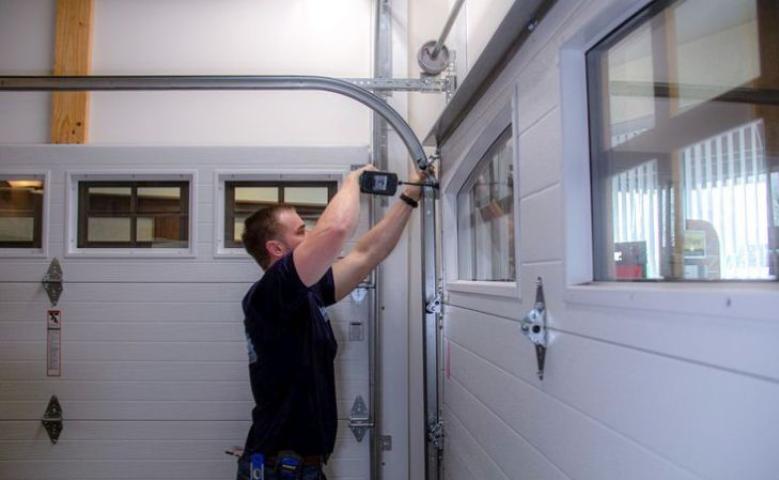
Torsion & Extension Springs: Counterweight components that handle the physical weight of the door panels, making lifting effortless.
Lifting Cables: Steel cables that wrap around drums to transfer spring power and raise or lower the door safely.
Tracks and Rollers: The side channels and wheel assemblies that guide the door vertically along its ceiling path.
Garage Door Opener: The motorized drive mechanism that regulates speed, force limits, and automatic safety reversals.
Signs Your Garage Door Needs Attention
Recognizing subtle warning signs early can save hundreds of dollars in major panel or motor repairs down the road.
Loud Grinding or Squeaking Noises
Squeaking usually indicates dry hinges or unlubricated rollers, while severe grinding sounds often mean worn opener motor gears or misaligned track sections.
The Door Reverses Automatically
If your door starts closing and instantly bounces back open, the photo-eye safety sensors near the floor are likely misaligned, obstructed, or covered in dust.
Slow or Hesitant Lifting
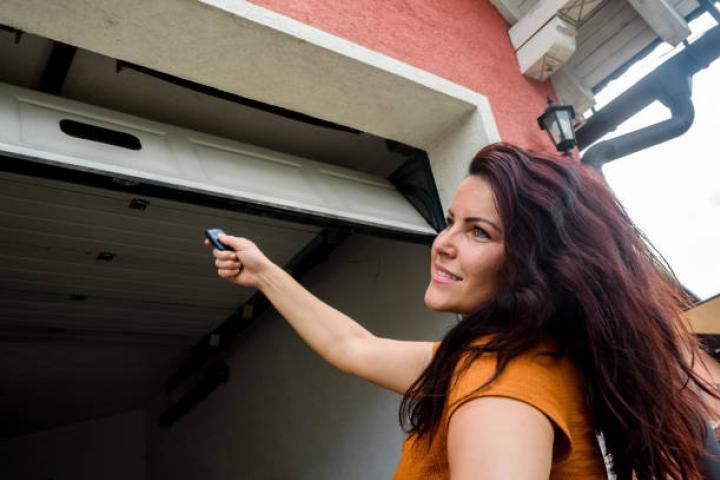
A delay in response time when pressing your remote, or a door that struggles to move smoothly—points toward weakening torsion springs or stretched cables.
Uneven or Slanted Movement
When one side of the door rises faster than the other, it indicates unbalanced spring tension or a loose lifting cable that requires immediate service.
Simple Preventative Maintenance Checklist
Following a regular maintenance routine extends the lifespan of your system and prevents sudden mechanical failure.
Step 1: Visual Inspection
Regularly inspect cables, springs, hinges, and rollers for visible rust, fraying, or cracking. Avoid touching high-tension parts directly.
Step 2: Track Cleaning
Wipe down the inner metal tracks using a clean cloth to remove accumulated dirt, hardened grease, and debris that can cause sticking.
Step 3: Test Auto-Reverse Safety
Place a small wooden block or object on the floor under the open door. Press the close button; the door should touch the object and immediately reverse upward.
Step 4: Semi-Annual Lubrication
Apply a silicone-based or lithium garage door spray to hinges, steel rollers, and springs every six months to maintain quiet movement.
DIY Tasks vs. Professional Repair
While basic cleaning and visual checks are easy DIY projects, high-tension system components require certified technician tools and training.
Maintenance Task
Safe for DIY?
Requires Professional?
Sensor Cleaning & Alignment
Yes
No
Hinge & Roller Lubrication
Yes
No
Track Debris Removal
Yes
No
Torsion Spring Replacement
No
Yes (High Pressure Risk)
Cable Snap & Tensioning
No
Yes (High Pressure Risk)
Track Realignment
No
Yes
Opener Motor Repair
No
Yes
Safety Warning: Torsion springs and cable assemblies store extreme mechanical tension. Attempting to loosen or replace them without specialized winding equipment can cause severe physical injury. Always leave high-tension repairs to qualified technicians.
Benefits of Upgrading Your Garage Door
Upgrading outdated components or installing a modern garage door offers several immediate performance and security advantages:
Enhanced Security: Modern openers feature rolling code technology, rendering code-grabbing devices ineffective against your garage entrance.
Noise Reduction: Swapping older steel rollers for sealed nylon rollers reduces operational noise significantly, keeping connected rooms quiet.
Improved Thermal Efficiency: Insulated door panels limit heat transfer, maintaining comfortable interior temperatures in both summer and winter.
Boosted Property Value: A modern, clean overhead door significantly elevates your home's exterior design and resale curb appeal.
Keep Your System Operating Safely
Staying proactive with simple cleaning routines and trusting experienced specialists for high-tension spring and cable care ensures your garage door remains safe, convenient, and reliable every single day.