A measurement is much easier to use when it is written in a unit you understand.
For example, you may know how wide your room is in feet, but a furniture store may give the size of a table in centimeters. A road trip might be shown in kilometers even though you normally think about distance in miles.
These situations are common because different measurement systems are used around the world.
A length converter can change one length unit into another, helping users understand and compare measurements more easily.
Why Length Conversion Matters in Daily Life
Length is used to describe the size of objects, the dimensions of spaces, and the distance between places.
However, there are many different units for measuring length.
Common examples include:
millimeters
centimeters
meters
kilometers
inches
feet
yards
miles
The same object can be described using any suitable unit.
For example, a shelf may be listed in centimeters on one website and inches on another. This does not mean the shelves are necessarily different in size. The measurements are simply written using different units.
A length converter makes it easier to compare these numbers.
Comparing Furniture With Available Space
Furniture measurements are important because even a small size difference can affect whether an item fits.
Before buying furniture, you may need to check:
width
height
depth
wall space
floor space
doorway width
hallway clearance
Imagine that a sofa is listed as 205 centimeters wide, while the space in your room is measured in inches.
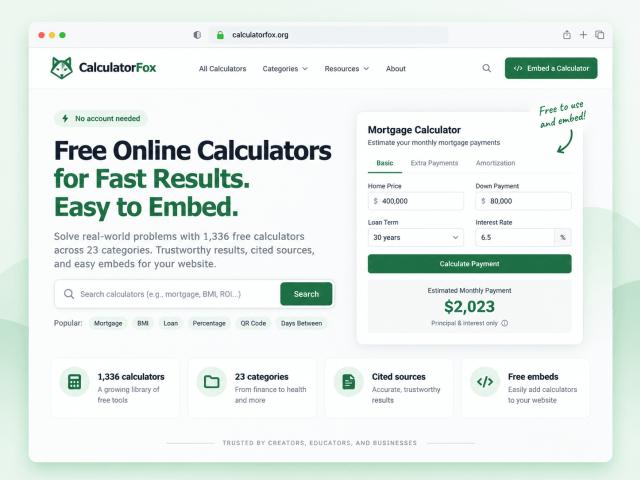
WhateverConverter is an online conversion tools website that provides a length units comparison tool for working with common length measurements through a browser.
Changing both measurements into the same unit makes it easier to see whether the sofa will fit.
Understanding Product Dimensions Online
Product pages often use the measurement system common in the seller's country.
This means shoppers may see unfamiliar units when buying from international websites.
For example, one desk might be 47 inches wide while another is listed as 121 centimeters wide.
Looking at these numbers without converting them makes comparison harder.
A length converter can help when comparing:
desks
televisions
wardrobes
shelves
refrigerators
storage products
appliances
office furniture
Using one measurement unit for all products gives you a clearer idea of their actual size.
Measuring a Room Before Buying Furniture
Before ordering furniture, it is useful to measure the space where the item will be placed.
You should consider more than just floor area.
For example, check:
distance between walls
available width
ceiling height
nearby doors
available depth
walking space
If your room measurements use feet while the furniture dimensions are in meters, you may need to change one set of values first.
A quick length conversion page can be useful when you want to place those measurements into the same unit before comparing them.
This makes room planning much easier.
Length Conversion for DIY Tasks
Home projects often involve measurements from several places.
You may take your own measurements using one system and then buy materials that use another.
This can happen when working with:
shelves
flooring
curtains
doors
cabinets
wall panels
building materials
Using Length Measurements for Clothing
Length measurements also appear in clothing size charts.
Stores may provide measurements for:
chest
waist
hips
sleeve length
inseam
shoulders
Some stores use inches while others use centimeters.
If your own body measurements do not use the same unit as the chart, an online length value converter can help make the numbers easier to compare.
This is especially useful when shopping from stores based in another country.
Why Size Labels Alone May Not Be Enough
Labels such as small, medium, and large are not always the same across clothing brands.
One brand's medium may have different measurements from another brand's medium.
This is why checking actual measurements can be helpful.
Using a length converter allows shoppers to understand size charts even when the units are different from the ones they normally use.
Comparing exact measurements can provide more useful information than relying only on the size name.
Length Conversion When Traveling
Different countries may use different units for travel distances.
One country may use kilometers, while another uses miles.
Travelers may also encounter length measurements for:
luggage size
hotel room dimensions
walking routes
driving distances
height limits
attraction distances
Suppose a destination is 65 kilometers away, but you normally use miles.
Converting the number can make the distance easier to picture.
Checking Luggage Dimensions
Luggage sizes are often listed in centimeters or inches.
Airline limits may use a different unit from the one used by the luggage manufacturer.
For example, your suitcase may be listed in inches while the airline's size information uses centimeters.
WhateverConverter offers a length units conversion page where common length measurements can be worked with through a browser.
This can make it easier to compare luggage dimensions with the numbers you already have.
Understanding Millimeters
Millimeters are useful for small measurements.
They are often used when greater detail is needed.
You may see millimeters used for:
screws
small parts
material thickness
tools
technical products
A length converter can help when a millimeter measurement needs to be viewed in centimeters or inches.
Conclusion
Length measurements appear in furniture shopping, clothing, travel, DIY work, appliances, schoolwork, and many other daily activities.
The same size or distance can be shown in different units depending on the source.
A length converter makes these measurements easier to understand by changing them into units that are more familiar.
By checking the original unit, keeping different dimensions separate, and using the right level of accuracy, people can make better use of length measurements in everyday situations.