Many businesses still depend on applications that were built years or even decades ago. These systems often support important operations such as finance, customer management and supply chain processes. They may still work well but they can become harder to maintain over time. Older applications can also make it difficult to adopt cloud platforms and modern development practices. This is why legacy application modernization is becoming an important part of long-term technology planning.
The need is becoming clearer as technology moves faster. McKinsey reports that as much as 70% of the software used by Fortune 500 companies was developed more than 20 years ago. These applications can carry large amounts of technical debt and can slow down efforts to build new digital capabilities.
Why Legacy Applications Are Becoming a Challenge
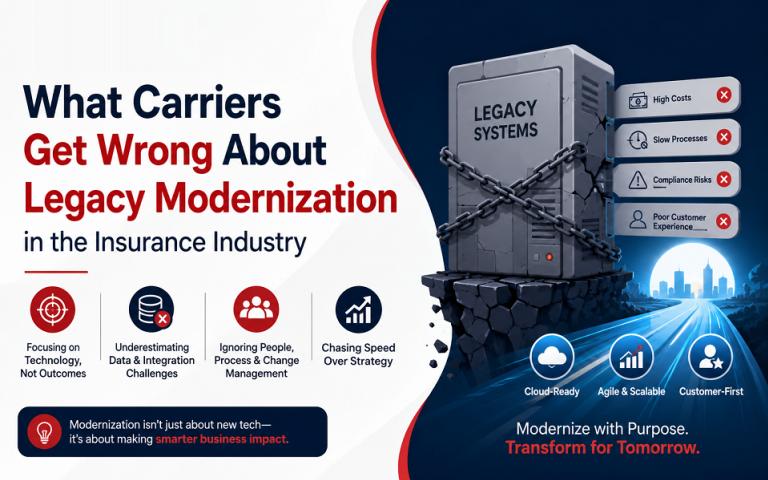
Legacy applications are often deeply connected to business processes. Replacing them is rarely as simple as installing a new system. Many organizations depend on custom code and older databases. Some systems also have limited integration options. This creates problems when companies want to connect them with cloud services or newer applications.
Maintenance is another concern. Developers may spend significant time fixing old code instead of working on new products. Older systems can also require specialized skills that are becoming harder to find. McKinsey has found that companies can spend an additional 10% to 20% on projects because of technical debt.
Modernization Is More Than Moving to the Cloud
Cloud migration is often part of modernization but it is not the entire process. A business needs to understand what each application does before deciding how to change it. Some applications may only need a new hosting environment. Others may need changes to their architecture or code.
Modernization can involve rehosting or replatforming. It can also include refactoring applications into modern architectures. APIs can help connect older systems with newer platforms. Containers and microservices can provide more flexibility when the business needs to scale individual parts of an application.
The Role of AI in Modernization
Artificial intelligence is also changing how businesses approach legacy systems. AI tools can help developers understand large codebases and identify dependencies. They can assist with documentation and testing. They can also help teams identify parts of an application that may need attention first.
This does not mean AI can replace the modernization team. Legacy applications often contain business rules that are difficult to identify from code alone. Human review is still important when making decisions about architecture and data.
AI can instead reduce some of the manual work. This can help development teams spend more time on architecture and business requirements.
Security Will Drive More Modernization
Security is another major reason companies are moving away from outdated application environments. Older applications may rely on security practices that were designed for a different technology landscape. They may also lack modern identity controls and monitoring capabilities.
Modernization gives businesses an opportunity to build security into the application architecture. This can include stronger access controls and encryption. It can also support better monitoring and automated security testing.
The growing demand for modernization reflects this shift. Grand View Research estimates that the global application modernization services market will grow from $17.8 billion in 2023 to $52.5 billion by 2030. The research projects a 16.7% CAGR from 2024 to 2030.
A Gradual Approach Can Reduce Risk
Businesses do not always need to replace an entire legacy environment at once. A phased approach can reduce operational risk. Teams can first identify critical applications and assess their business value. They can then decide which systems should be retained and which should be modernized.
A common approach is to start with applications that create the most business friction. These could be systems that are expensive to maintain or difficult to integrate. Modernizing these areas first can create measurable improvements without disrupting the entire organization.
Testing is equally important. Teams need to validate data and application behavior throughout the process. A clear rollback plan can also help protect business operations during major changes.
What the Future Looks Like
The future of legacy application modernization will focus on creating systems that are easier to change. Businesses will increasingly combine cloud platforms with APIs and modern application architectures. AI will also support code analysis and testing.
The goal is not simply to replace old technology. It is to create an environment where technology can support new business needs without becoming a constant limitation.
Organizations that treat modernization as an ongoing process will be better positioned to adopt new technologies. They can improve application performance while reducing technical debt. They can also create stronger foundations for automation and AI.
Conclusion
Legacy systems will not disappear overnight. Many still hold valuable business logic and critical data. The better approach is to modernize them with a clear strategy and realistic priorities. Businesses that take this approach can improve flexibility and security while preparing their technology environment for future needs. Tech.us helps businesses move toward this future with practical modernization strategies designed around their existing systems and business goals.