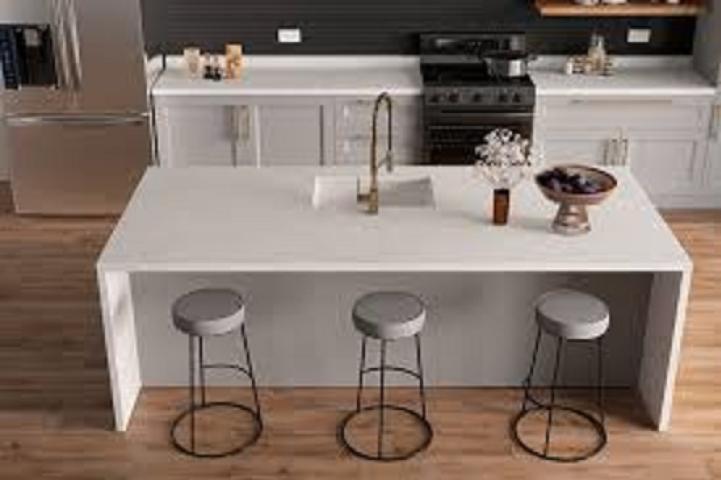
Good interior design is often about what you don't immediately notice. It has a perfectly aligned edge. Along with this, it offers a smooth transition between surfaces. A countertop that appears to flow into the wall. A reception desk without distracting joints. Lastly, it has a finish that feels continuous instead of interrupted. These details may seem small. However, together they determine whether an interior feels carefully designed or simply assembled.
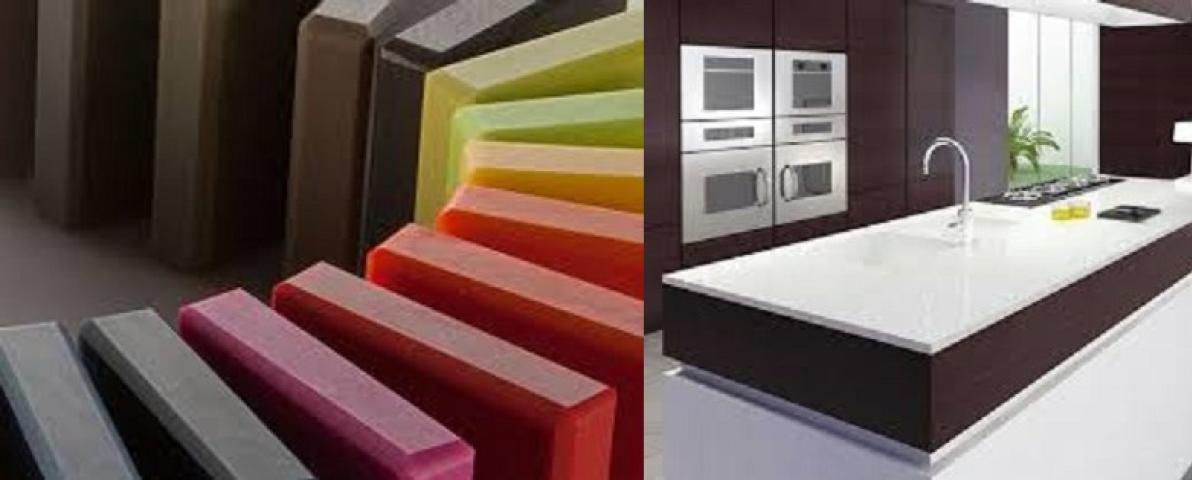
This is where Acrylic Solid Surfaces have become interesting to architects and interior designers. Unlike many conventional surface materials, acrylic can be fabricated and joined in ways that help to create visually seamless transitions. Instead of drawing attention to individual pieces, the material can help create a sense of continuity. And that matters in contemporary interiors.
So, how exactly do acrylic surfaces create those cleaner interior lines? Let's look at what happens beneath the finished appearance.
1. Clean Lines Begin with Fewer Visual Interruptions
Look at a conventional countertop. You may see separate pieces, may notice joints, and may see edges where one surface meets another too. None of these details are necessarily wrong. However, when the design calls for a seamless appearance, those interruptions can become visually distracting.
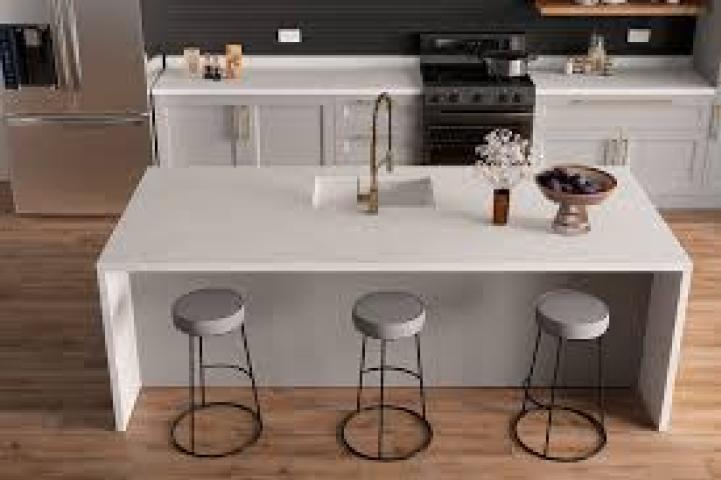
Acrylic Solid Surfaces offer fabricators the ability to create smoother-looking transitions between sections. The result is a surface that can feel more continuous.
2. The Material can be Joined to Look Seamless
One of the most recognisable characteristics of acrylic solid surface systems is their ability to be fabricated and joined with inconspicuous seams. The individual sections are bonded together and then finished so the joint becomes much less visually prominent. This changes the way designers can think about surface layouts.
Instead of asking, "How do I hide this joint?"
They can start asking:
"How can I make this entire surface feel like one piece?"
That is a very different design approach.
3. Large Surfaces can Feel More Continuous
Large uninterrupted surfaces have a certain visual calmness. There are fewer breaks. In addition to this, there are fewer lines and less visual noise too. This is particularly valuable in minimalist interiors where every junction becomes more noticeable.
An acrylic solid surface sheet can be fabricated into larger applications. All while maintaining the clean visual language that modern interiors often demand.
4. Corners become Part of the Design
Corners are often where surface materials reveal themselves. A sharp junction between two pieces can make the construction obvious. Acrylic can be thermoformed or fabricated into curved applications. All these depend on the product and design requirements.
This creates opportunities for softer transitions. Instead of a countertop abruptly meeting a vertical surface, for example, the design can incorporate a smoother change of direction. The corner becomes part of the geometry rather than simply a construction joint.
5. Curves become Easier to Explore
Minimalism does not always mean straight lines.
Curved forms are increasingly used in reception desks, counters, furniture, wall features, retail displays, and hospitality interiors. Acrylic is well suited to applications where designers want to explore curves and flowing forms. That flexibility can help create interiors that feel more sculptural without sacrificing a clean surface finish.
Read to know more about acrylic solid surface here: Have a Check… How Acrylic Solid Surfaces Transform Countertops?
6. The Edge can be Designed rather than Hidden
Edges are important.
They define where one surface ends. With some materials, the edge may reveal the thickness, construction layers, or joining method. Acrylic allows designers and fabricators to give greater attention to the edge profile. It can be shaped, polished, rounded, or integrated into the overall form.
This makes the edge itself part of the design language.
7. The Surface Feels More Monolithic
There is a visual difference between something that looks assembled and something that appears carved from one continuous material. That monolithic appearance is highly desirable in contemporary architecture. Acrylic solid surface applications can contribute to this effect because multiple pieces can be fabricated and joined into visually continuous forms.
The eye sees one flowing surface rather than a collection of separate components.
8. It Works Well with Minimalist Interiors
Minimalist design depends on restraint. There may be fewer decorative elements. Plus, there are fewer colours, and materials. This also means the quality of each surface becomes more important. A visible seam that might disappear in a highly decorative interior can become obvious in a minimalist space.
Acrylic helps designers pursue the uninterrupted surface language that minimalist architecture often requires.
9. White Interiors Benefit from Visual Continuity
White interiors are particularly revealing.
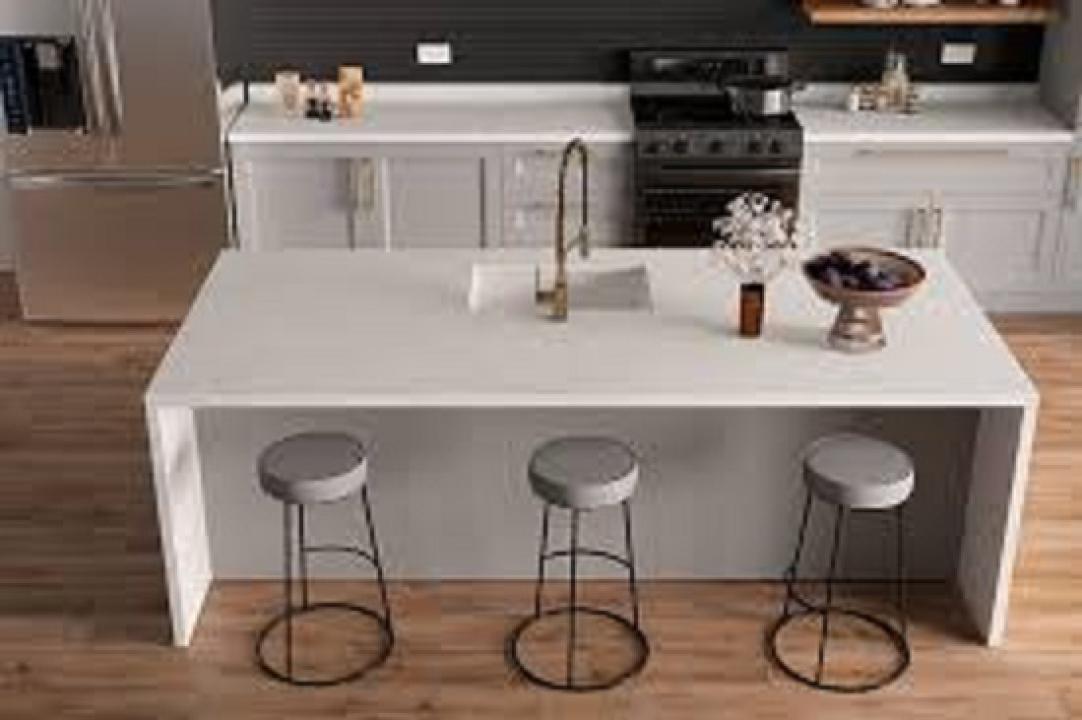
There is nowhere for visual imperfections to hide. Joints, colour differences, edge details, and surface transitions can become highly visible. Acrylic solid surface products are available in clean, consistent finishes that can support this aesthetic.
When properly fabricated, the material can help maintain a continuous visual field across different applications.
10. Colour Consistency Helps Maintain the Line
Interior lines are not only about geometry.
Colour continuity matters too. If adjacent pieces have noticeably different tones, the eye immediately detects the boundary. Acrylic solid surfaces can provide a consistent manufactured finish across multiple components, depending on the product range and fabrication process.
That makes it easier to maintain a controlled visual palette throughout an interior.
Conclusion
Clean interior lines are rarely created by one dramatic design decision. They come from hundreds of small choices. Where a surface ends. How a corner is formed. Where two materials meet. How a joint is finished, and how colour continues across different elements. Then, how lighting interacts with the surface. Acrylic Solid Surfaces give designers another way to control these details.
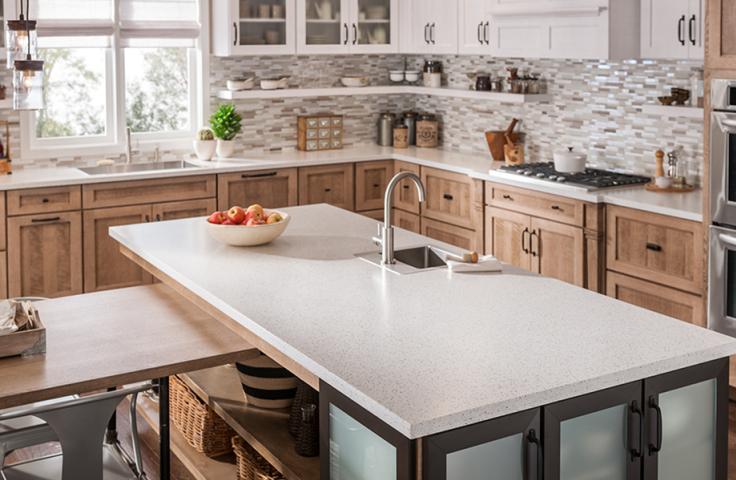
An acrylic solid surface sheet can be fabricated into countertops, wall applications, furniture, vanities, reception desks, integrated sinks, and custom architectural elements. When properly designed and fabricated, the result can feel smooth, continuous, and intentional. And perhaps that is the real appeal.
Acrylic does not always ask you to notice the material. Sometimes, it simply makes you notice the design.
Create Interiors where the Details Flow
Tranquil Global offers surface solutions for designers and projects looking to combine contemporary aesthetics with practical functionality. Acrylic solid surface sheets can be fabricated into smooth, integrated forms that help reduce visual interruptions and create a more cohesive interior language.
Whether you are designing a reception desk, countertop, vanity, feature wall, retail display, or custom architectural element, the right acrylic surface can help turn individual components into one continuous design story.
FAQs
1. What are Acrylic Solid Surfaces?
Acrylic Solid Surfaces are engineered surface materials commonly used for countertops, wall applications, furniture, reception desks, vanities, sinks, and other interior applications. They can be fabricated and joined to create smooth, visually continuous surfaces.
2. What is an acrylic solid surface sheet used for?
An acrylic solid surface sheet can be used for countertops, worktops, backsplashes, wall cladding, vanity tops, reception desks, furniture, integrated sinks, retail displays, and custom interior applications.
3. Can acrylic solid surfaces create seamless joints?
They can be fabricated and joined so that seams become much less visually prominent. The final result depends on the product, fabrication technique, installation, and finishing quality.