For a small business, internet connectivity is no longer just a convenience. It supports customer communication, online payments, cloud applications, video meetings, marketing, file sharing, and many other everyday operations. When the connection becomes slow or unreliable, even simple tasks can take longer and affect productivity.
Choosing the right connection means looking beyond download speed. Businesses should consider reliability, upload performance, security, scalability, support, and the type of work employees perform online. A well-planned network can help a small company operate efficiently while preparing it for future growth.
Why Internet Reliability Matters for Small Businesses
Small companies often have limited resources, so network downtime can be particularly disruptive. An unstable connection may interrupt video calls, prevent employees from accessing cloud-based applications, or delay customer transactions.
Supporting Everyday Business Tasks
Modern businesses depend on internet access for activities ranging from email and customer support to accounting and inventory management. Cloud-based software has made connectivity even more important because employees may need continuous access to online platforms.
A business connection should therefore provide enough bandwidth for the number of users and applications operating at the same time. Small business internet solutions can be selected according to factors such as company size, workload, location, and expected growth.
Upload Speed Also Matters
Many businesses focus heavily on download speed, but upload performance is equally important for organizations that regularly send large files, back up data, conduct video conferences, or upload content to cloud platforms.
A connection with balanced performance can make collaboration smoother, especially when employees are working with cloud-based systems.
Choosing the Right Internet Connection
Not every business needs the same type of internet service. A small retail store may have different requirements from a marketing agency, software company, or professional services firm.
Fiber and Dedicated Connections
Fiber connections are often attractive for businesses because they can provide high speeds and low latency. For organizations that depend heavily on internet-based applications, a dedicated connection may provide more consistent performance.
Business providers may also offer service-level agreements, dedicated bandwidth, static IP addresses, security features, and technical support. These features can be valuable when internet access is directly connected to business operations.
Consider Scalability
Internet requirements can increase as a company hires employees, adds cloud services, introduces VoIP, or expands to additional locations. Choosing a connection that can be upgraded without replacing the entire network can make future growth easier.
How Proxy Servers Can Support Online Activities
Internet connectivity is only one part of a company's digital infrastructure. Some businesses also use proxy servers for specific activities such as privacy management, market research, web testing, advertising verification, and accessing geographically distributed information.
Understanding Proxy Servers
A proxy server acts as an intermediary between a user's device and the websites or online services they access. Depending on the type of proxy, it can provide different IP addresses and help organizations manage certain online requests.
Businesses considering Top proxy servers should evaluate factors such as location coverage, connection speed, reliability, authentication options, privacy policies, and the provider's intended use cases. Proxy services can differ considerably in infrastructure and performance, so selecting one based solely on price may not provide the best results.
Use Proxies Responsibly
Proxy technology can have legitimate business applications, but organizations should always follow website terms, applicable laws, and responsible data-collection practices. Security should also remain a priority when routing business traffic through third-party infrastructure.
Building Reliable Internet Connectivity
An effective business network requires more than purchasing a fast plan. The internal network should also be configured correctly.
Secure the Business Network
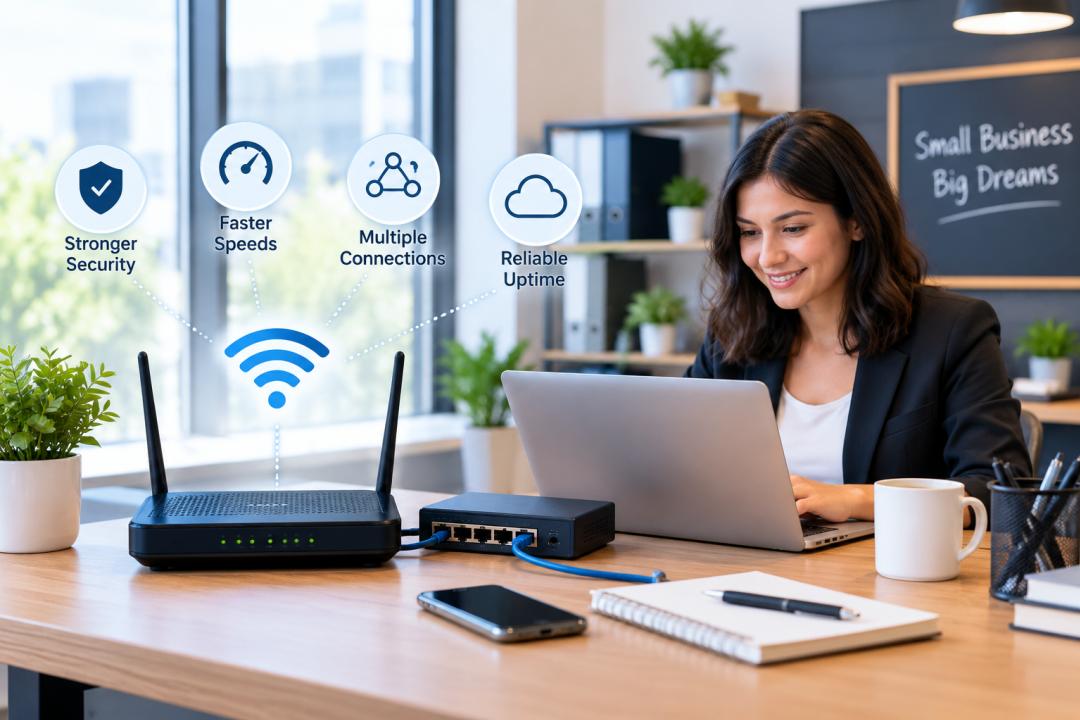
Businesses should use strong passwords, updated networking equipment, appropriate firewall protection, and separate networks for guests and internal systems where necessary. Security measures can reduce unnecessary risks while allowing employees to access the resources they need.
Have a Backup Connection
A backup internet connection can be valuable when the primary service experiences an outage. Depending on the location, businesses may use a second broadband provider, cellular connectivity, or another wireless option.
Having redundancy means employees may be able to continue essential operations even when the main connection is temporarily unavailable.
Understanding Internet Service Providers
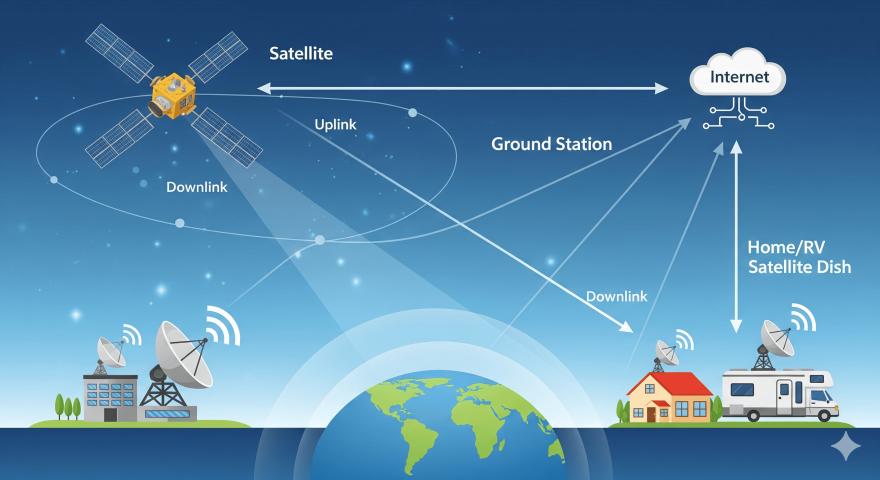
An Internet Service Provider, commonly called an ISP, provides customers with access to the internet. ISPs connect users to broader networks through their own infrastructure and relationships with other networks.
When selecting a provider, businesses should compare availability, speed, reliability, customer support, service terms, installation requirements, and pricing. Reliable internet connectivity should be treated as an essential business resource rather than simply another monthly expense.
Final Thoughts
A dependable internet setup can help small businesses work more efficiently, communicate with customers, use cloud applications, and support digital growth. The right solution depends on the company's size, workload, location, and future plans.
By choosing suitable small business internet solutions, considering responsible proxy use where appropriate, securing the internal network, and maintaining a backup connection, businesses can create a more resilient digital foundation. As more business activities move online, investing in dependable connectivity can become an important part of long-term operational planning.
FAQs
1. What is the best internet for a small business?
Fiber or dedicated business internet can be suitable, depending on workload and availability.
2. Why is reliable internet important for businesses?
It helps maintain productivity, communication, cloud access, and online customer services.
3. What does a proxy server do?
A proxy acts as an intermediary between a device and the internet.
4. Should a business have backup internet?
Yes. A backup connection can help reduce disruption during outages.
5. How do I choose an ISP?
Compare speed, reliability, support, security, pricing, availability, and scalability.