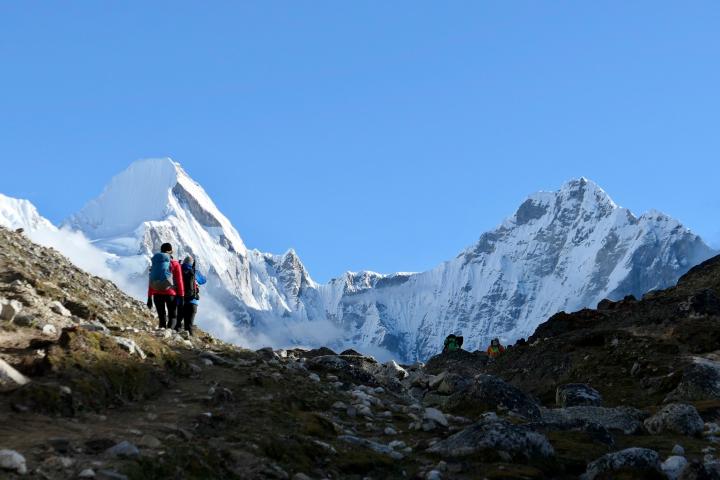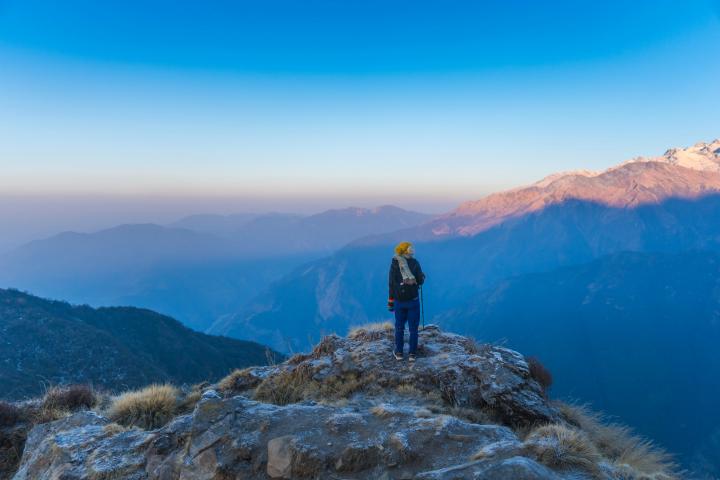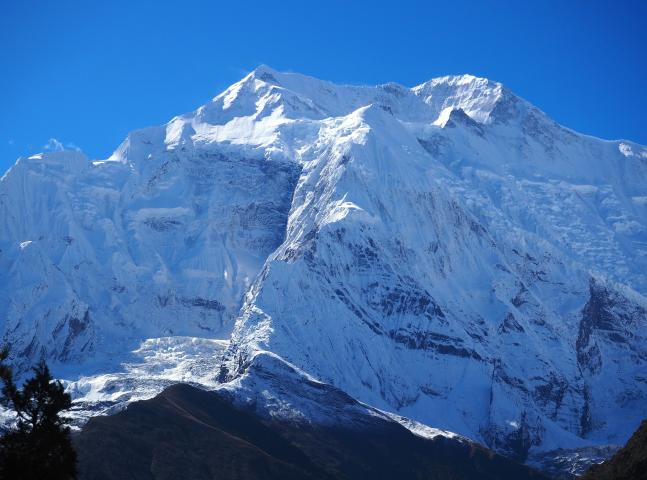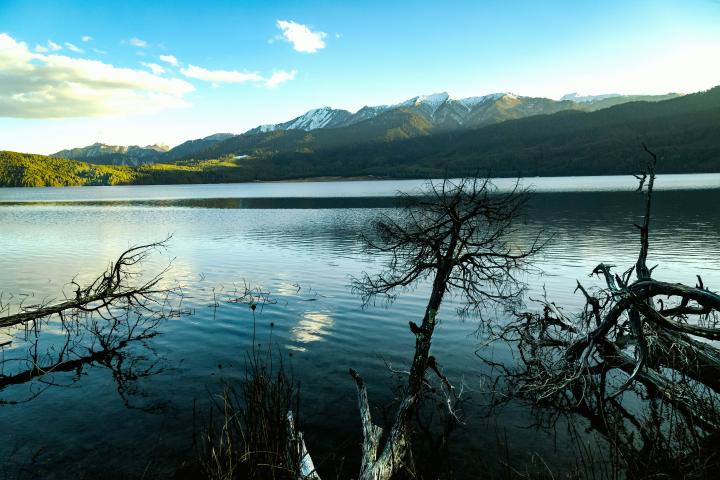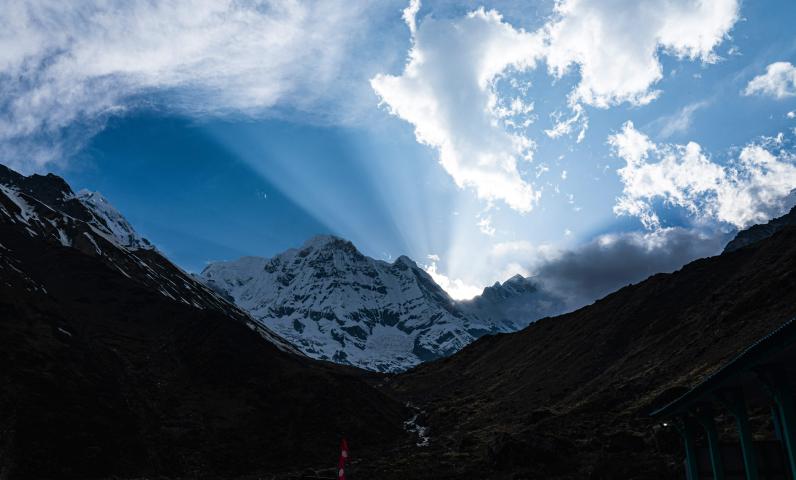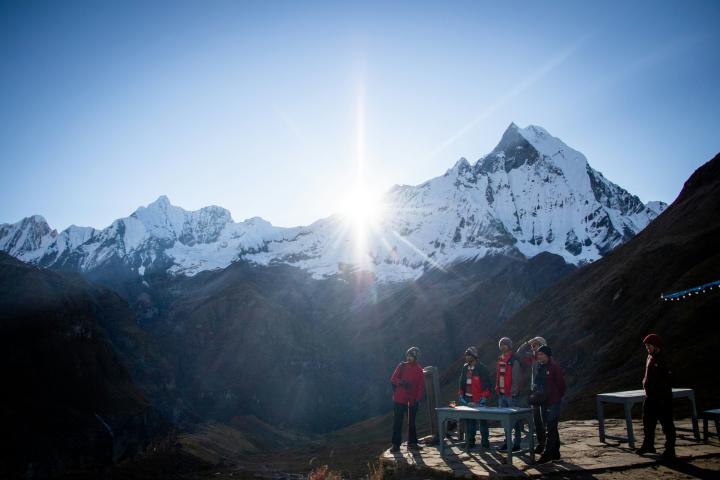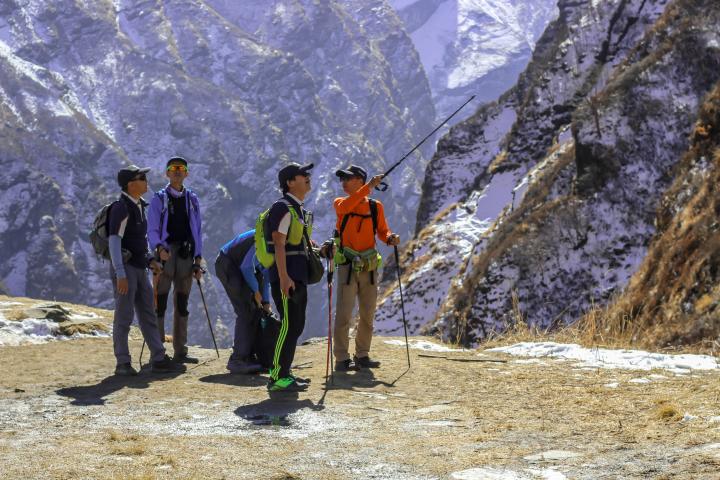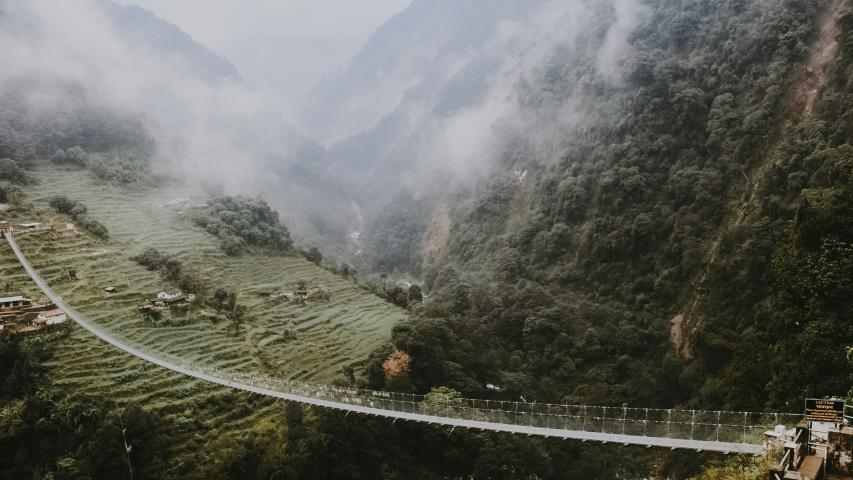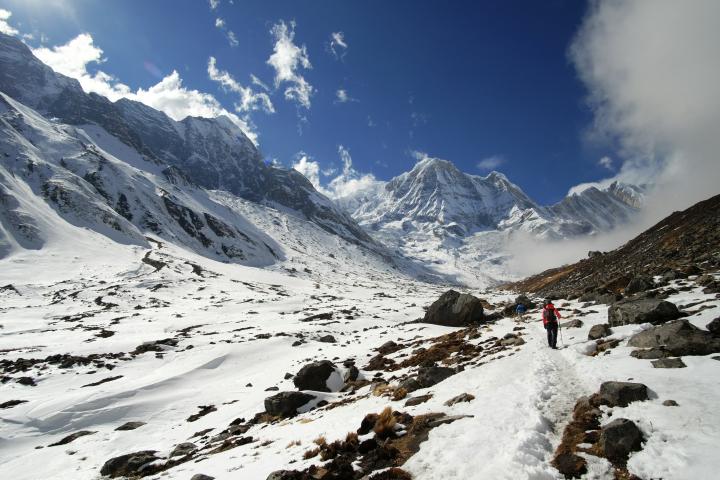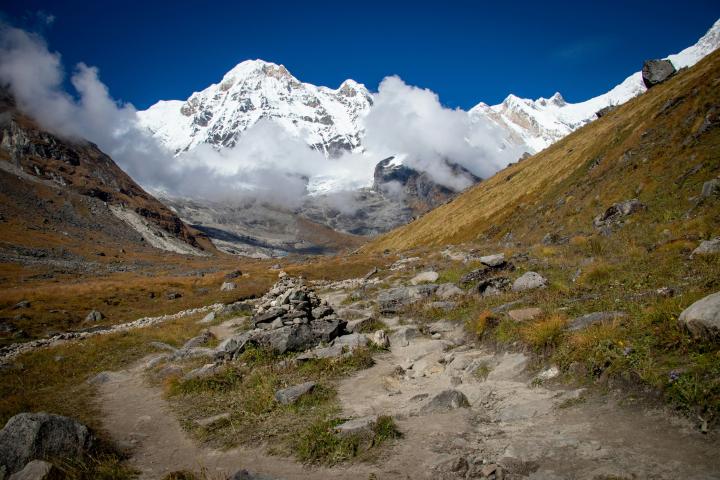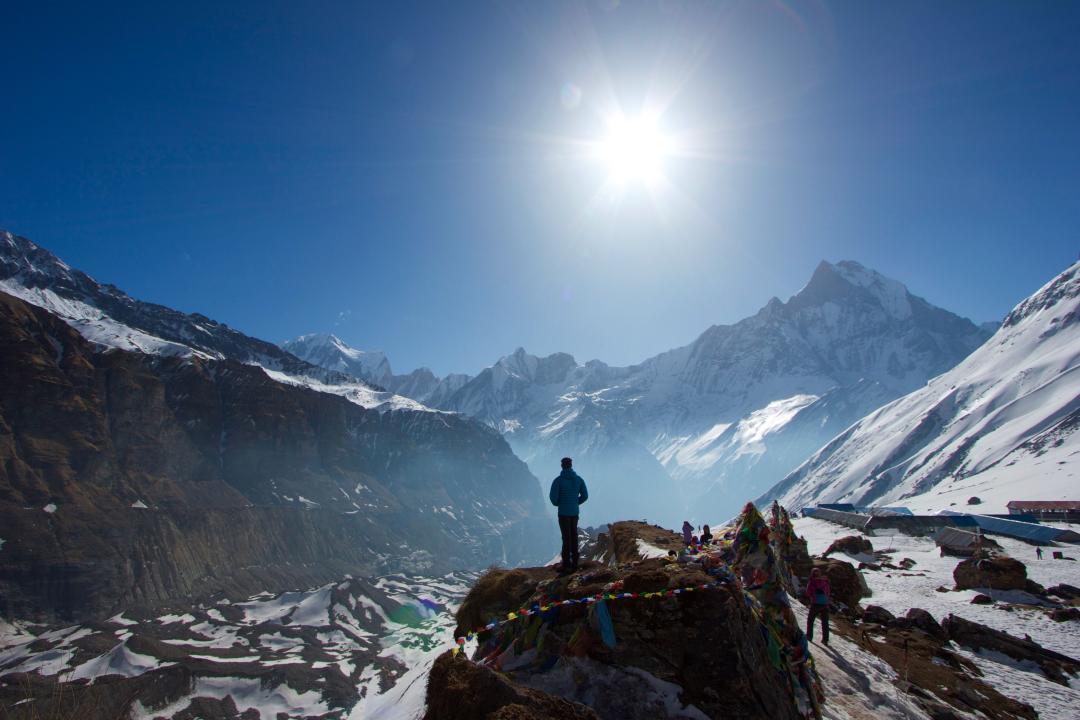
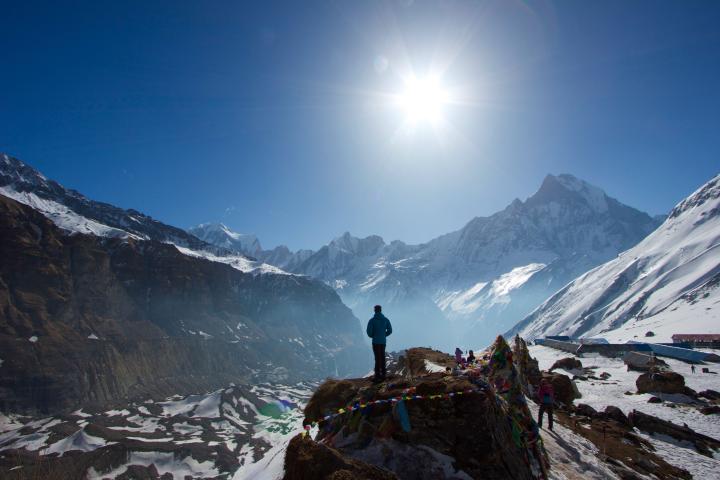
The trail starts with green hills and quiet villages, but soon the mountains rise around you. The Annapurna Circuit is one of Nepal’s most varied trekking routes, taking travelers through forests, valleys, villages, and high mountain landscapes. For first-time trekkers, the journey can feel challenging, but it is possible with good preparation, a steady pace, and proper acclimatization.
What Makes the Trek Difficult?
The Annapurna Circuit is usually considered a moderate to challenging trek. You do not need technical climbing skills, but you should be ready for several hours of walking each day.
The trail includes steep climbs, downhill sections, rocky paths, and long walking days. Some days may feel easy, while others can test your strength and patience. The changing landscape also means that the trail conditions can vary as you gain altitude.
The biggest challenge for many first-time trekkers is not the distance alone. It is the combination of walking, altitude, weather, and uneven terrain.
Thorong La Is the Biggest Test
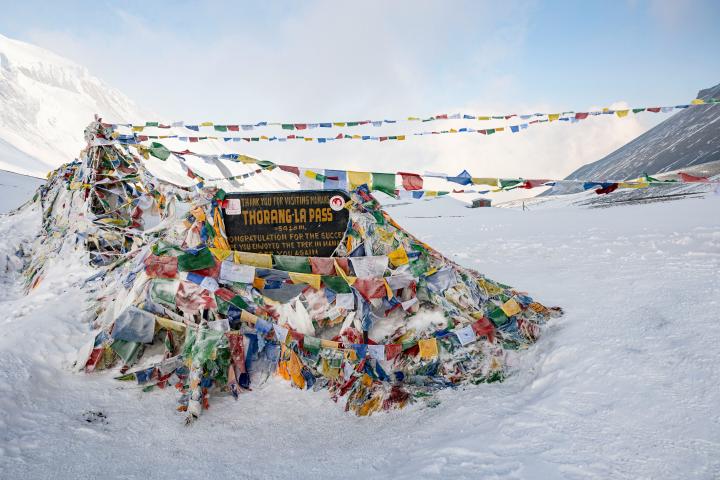
One of the main challenges is crossing Thorong La Pass at 5,416 meters (17,769 feet). This is the highest point of the classic Annapurna Circuit route.
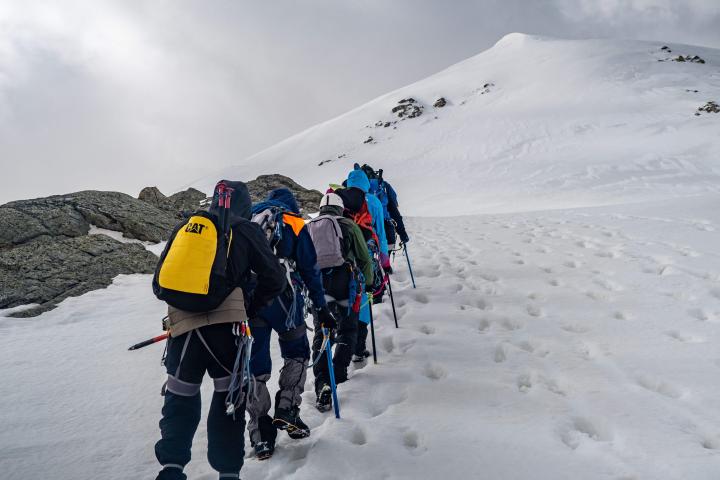
The climb to the pass starts early in the morning and can be tiring. The air is thin, and the cold can be intense. The trail may also have snow depending on the season.
Reaching the top is a proud moment for many trekkers. After crossing the pass, the trail descends toward Muktinath, bringing a strong sense of achievement.
Can Beginners Complete It?
Yes, first-time trekkers can take on the Annapurna Circuit. You do not need years of hiking experience. However, being reasonably fit can make the experience much more comfortable.
Before the trek, try regular walking, hiking, stair climbing, or simple cardio exercises. Longer walks on weekends are useful. Training with a light backpack can also help your body adjust to carrying your daily essentials.
Mental preparation is just as important. Some days may be tiring, and progress can feel slow. Staying patient and walking at a comfortable pace can make a big difference.
Altitude Needs Care
Altitude is an important part of the Annapurna Circuit. As you climb higher, the air becomes thinner, and your body needs time to adjust.
Some trekkers may develop symptoms such as headache, dizziness, tiredness, or nausea. These should not be ignored, especially if they become worse.
A well-planned itinerary includes time for gradual acclimatization. Drinking enough water, eating regular meals, getting proper rest, and avoiding a rushed pace can help. If serious altitude symptoms appear, descending to a lower elevation is important.
What Should First-Time Trekkers Pack?
Good equipment can make the trek easier. Comfortable trekking shoes with good grip are essential. Warm layers are important for higher elevations, while lighter clothes can be useful in the lower areas.
A rain jacket, sleeping bag, water bottle, sunscreen, sunglasses, trekking poles, and basic personal supplies are also useful. Packing light is helpful because carrying a heavy backpack for many hours can make the trek harder.
It is also wise to prepare for changing weather. Mountain conditions can shift quickly.
How Amble Himalaya Can Help
Amble Himalaya offers trekking services that can help first-time trekkers organize their Annapurna adventure. Their services can include experienced local guides, permits, accommodation arrangements, transportation, itinerary planning, and support during the trek.
Local guides can help trekkers understand the route, maintain a suitable walking pace, and manage daily plans. Their knowledge of the trail can also be useful when weather or trail conditions change.
Is It Worth the Challenge?
The Annapurna Circuit can certainly challenge first-time trekkers, but the journey offers much more than a physical test. You pass through changing landscapes, traditional villages, mountain communities, and spectacular Himalayan scenery.
With basic fitness, suitable gear, gradual acclimatization, and a sensible pace, beginners can approach the trek with greater confidence. The key is to prepare well and respect the mountain.
Every steep climb and long walking day becomes part of the story. By the time you stand at Thorong La, you may realize that the hardest steps often create the most memorable moments.