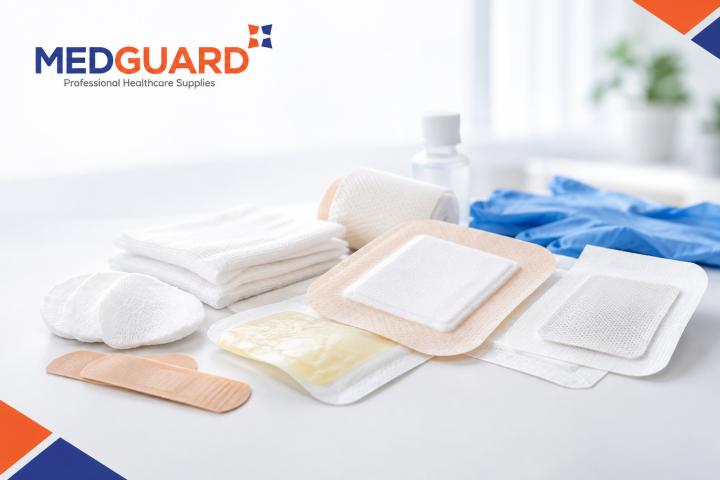
Choosing the right wound dressing is not simply about covering the wound. The amount of fluid or exudate produced by a wound can have a significant influence on which dressing is most suitable. A dressing that works well for a lightly exuding wound may not provide enough absorption for a wound producing a larger amount of fluid.
Understanding the difference between low, moderate and heavy exudate can therefore help healthcare professionals, carers and people managing wound care at home make more informed dressing choices.
What Is Wound Exudate?
Exudate is fluid released from a wound as part of the body's natural inflammatory and healing response. It can contain water, proteins, cells and other substances involved in the healing process.
Some exudate can be a normal part of wound healing. However, the amount and characteristics of the fluid can change as the wound develops. This is one reason why dressing choice should be reviewed rather than assuming that the same product will always be appropriate.
Understanding why exudate matters when choosing a dressing is particularly important when deciding how much absorption a wound requires.
Dressings for Low-Exudate Wounds
A wound producing only a small amount of fluid generally does not require a highly absorbent dressing. Using a dressing with excessive absorbency may remove more moisture than necessary and could make the wound environment too dry.
For low-exudate wounds, the dressing may primarily need to:
- Protect the wound from friction and contamination
- Maintain an appropriate moisture environment
- Prevent the dressing from sticking to the wound surface
- Protect surrounding skin
- Provide comfort during dressing changes
Non-adherent dressings can be useful where minimising trauma during dressing changes is important. Depending on the wound and treatment plan, a suitable protective or low-absorbency dressing may be sufficient.
Choosing Dressings for Moderate Exudate
Moderately exuding wounds require a balance between absorbing excess fluid and maintaining an appropriate environment for healing. The dressing needs enough capacity to manage the fluid without becoming saturated too quickly.
Absorbent dressings, including certain foam dressings, may be considered depending on the wound's condition and the surrounding skin. The dressing should retain the fluid rather than allowing it to spread onto nearby skin.
This is important because prolonged exposure to moisture can cause the skin around a wound to become soft, fragile or irritated.
Dressing frequency should also be considered. If a dressing becomes saturated quickly, it may need to be replaced more frequently or a more appropriate absorbent option may need to be considered.
Dressings for Heavily Exuding Wounds
Heavily exuding wounds present a different challenge. A dressing with limited absorption may become saturated quickly, resulting in leakage and increased exposure of the surrounding skin to wound fluid.
In these situations, healthcare professionals may consider dressings designed to manage larger volumes of exudate. Depending on the wound, this could involve a highly absorbent primary dressing with an appropriate secondary dressing to provide additional protection and fluid management.
The surrounding skin is particularly important when managing heavy exudate. Frequent leakage can contribute to irritation and skin damage, so dressing selection should consider both the wound and the area around it.
Exudate Levels Can Change
One of the most important points to remember is that exudate levels are not necessarily constant.
A wound may produce more fluid during one stage of healing and considerably less later. Consequently, a dressing that was appropriate initially may not remain the best option as the wound progresses.
For example, a moderately absorbent dressing may be suitable at one stage, but the wound may later require a less absorbent dressing as exudate decreases. Regular assessment can help ensure that the dressing continues to match the wound's needs.
A sudden increase in exudate, a change in its appearance or an unpleasant odour may also require further assessment, particularly if accompanied by increasing pain, redness, swelling or other concerning changes.
What Else Should You Consider?
Exudate level is important, but it should not be the only consideration. Wound type, size, depth, tissue condition, location and the condition of the surrounding skin can all influence dressing selection.
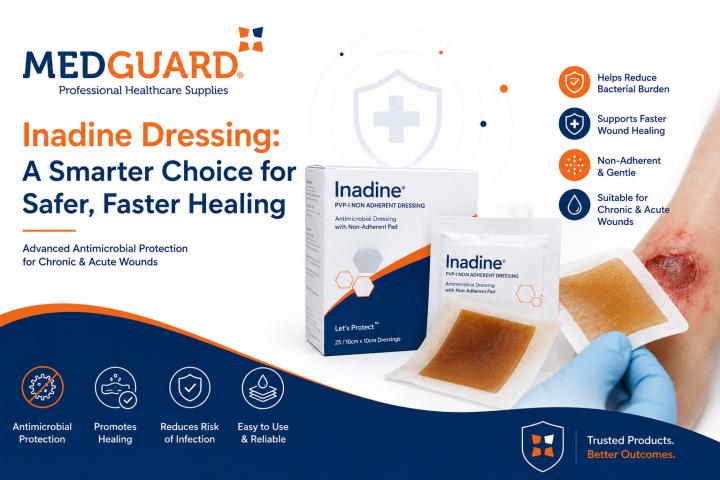
The need for a non-adherent surface, antimicrobial properties or additional absorbency may also affect the decision. For example, an Inadine dressing may have a role in particular wound-care situations where an antimicrobial dressing is considered appropriate.
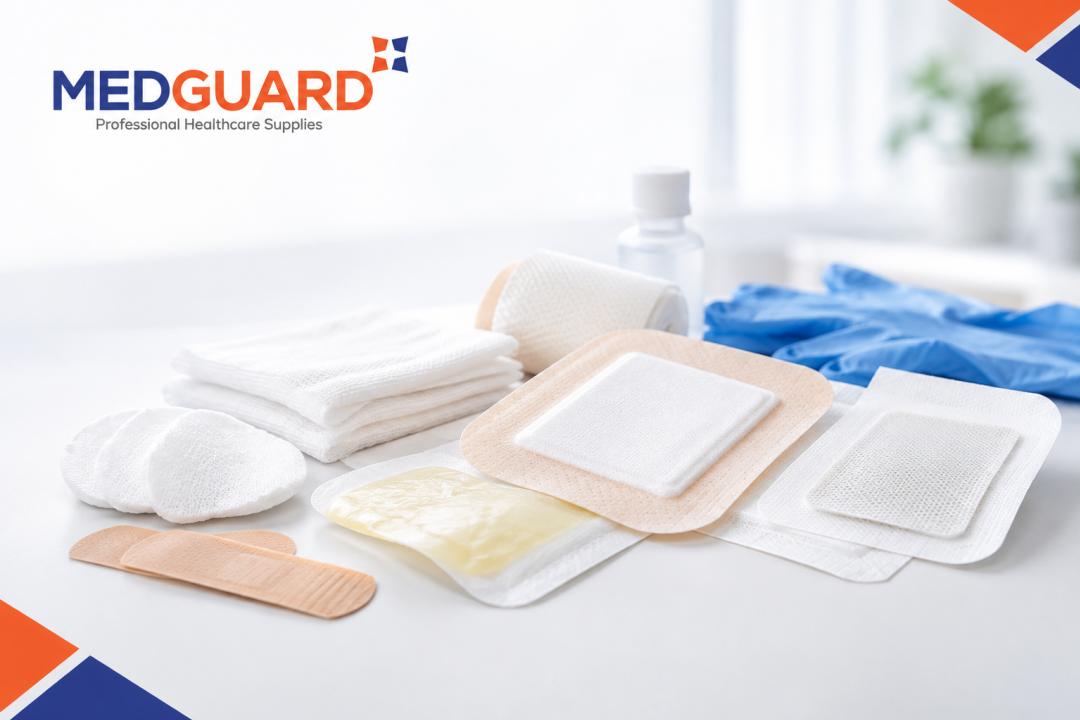
For a home first aid kit, it is also useful to have a selection of basic dressings rather than relying on one type for every injury. A well-prepared first aid dressing kit can provide options for managing minor cuts, grazes and other everyday injuries.
Choosing the Right Dressing for the Wound
The simplest approach is to match the dressing to what the wound needs at that particular stage. Low-exudate wounds generally need protection and moisture management without unnecessary absorption. Moderate-exudate wounds require a reliable balance between absorption and moisture control, while heavily exuding wounds may require greater absorbency and additional protection for the surrounding skin.
There is no single dressing that is suitable for every wound. Regular assessment and appropriate dressing selection can help support effective wound care while reducing problems such as leakage, excessive dryness, skin irritation and unnecessary discomfort during dressing changes.
For healthcare professionals, carers and people looking for reliable medical supplies in Ireland, Medguard Healthcare provides a range of wound-care products suitable for different healthcare needs. The important point is to choose based on the wound's current requirements rather than simply selecting the most absorbent dressing available.
Original Source : https://www.mednuc.net/why-does-wound-exudate-matter-when-choosing-a-dressing/