Weakness, reduced coordination, and difficulty controlling movement may occur after a stroke. Stroke rehabilitation often includes physiotherapy to help patients practise appropriate movements and work toward greater physical function. At Seha Garden International Hospital in Kerala, physiotherapy forms part of a broader rehabilitation approach that can address strength, balance, mobility, and coordination. Depending on an individual's assessment, therapy may include guided exercises, movement practice, and training for functional activities. The program should be adapted to the patient's abilities, medical condition, and tolerance for exercise. Consistency and professional guidance can help patients work toward realistic recovery goals while maintaining safety. Families looking for post-stroke care can explore Seha Garden's treatment page to learn about its rehabilitation services and the role of physiotherapy within a coordinated stroke recovery plan.
Stroke Rehabilitation Through Physiotherapy and Movement Training
Written by
sehagarden2020
2 days ago
Related articles:
Stroke Diagnostic and Therapeutic Market: Where Should Healthcare Businesses Invest to Improve Diagnosis and Treatment Access?
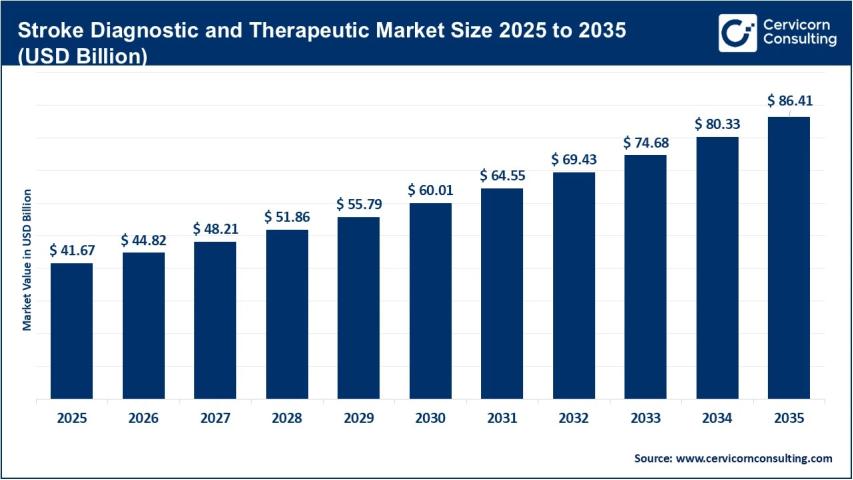
Stroke Diagnostic and Therapeutic Market: Key Decisions
for Healthcare BusinessesThe global stroke
diagnostic and therapeutic market was valued at USD 41.67 billion in
2025 and is projected to reach USD..
Stroke Rehabilitation for Dressing Skills
Getting dressed involves coordination, balance, reaching, hand function, and the ability to follow a sequence of movements. After stroke, these tasks may become more difficult and may require additional practice..
Stroke Rehabilitation and Family Participation
Family members often play an important supportive role during recovery after a stroke. Understanding the individual's rehabilitation goals can help caregivers provide appropriate assistance during daily activities without unnecessarily limiting..
Physiotherapy for Stroke Patients and Lower-Limb Strength
Lower-limb weakness can influence standing, walking, transfers, and other functional movements after a stroke. Physiotherapy for Stroke Patients may include appropriately selected strengthening activities to address movement limitations and support..
Supporting Stroke Recovery Through Physiotherapy
Stroke recovery can involve changes in movement, balance, coordination, muscle strength, and everyday physical activities. Physiotherapy can play an important role in helping patients work toward greater functional independence during..
Personalized Stroke Rehabilitation
Stroke recovery can look different for every individual, which is why rehabilitation plans need to reflect the patient's specific difficulties, abilities, and recovery goals. Stroke rehabilitation focuses on helping survivors..
Inpatient Stroke Rehabilitation Program
Some stroke survivors require continued medical attention and structured therapy after leaving acute hospital care. An inpatient stroke rehabilitation program can provide an environment where patients receive regular therapy while..
Personalized Stroke Recovery Programs
Every stroke affects individuals differently, so rehabilitation needs can vary considerably from one person to another. Personalized stroke rehabilitation allows therapy goals and activities to be considered according to the..
Stroke Rehabilitation Support
Stroke rehabilitation is an important part of recovery for many people following a stroke. Rehabilitation may involve a coordinated program designed around an individual's functional needs, goals, and stage of..
Stroke Rehabilitation for Dressing Skills
Getting dressed involves coordination, balance, reaching, hand function, and the ability to follow a sequence of movements. After stroke, these tasks may become more difficult and may require additional practice..
Stroke Rehabilitation and Family Participation
Family members often play an important supportive role during recovery after a stroke. Understanding the individual's rehabilitation goals can help caregivers provide appropriate assistance during daily activities without unnecessarily limiting..
Personalized Stroke Rehabilitation
Stroke recovery can look different for every individual, which is why rehabilitation plans need to reflect the patient's specific difficulties, abilities, and recovery goals. Stroke rehabilitation focuses on helping survivors..
Inpatient Stroke Rehabilitation Program
Some stroke survivors require continued medical attention and structured therapy after leaving acute hospital care. An inpatient stroke rehabilitation program can provide an environment where patients receive regular therapy while..
Personalized Stroke Recovery Programs
Every stroke affects individuals differently, so rehabilitation needs can vary considerably from one person to another. Personalized stroke rehabilitation allows therapy goals and activities to be considered according to the..
Stroke Rehabilitation Support
Stroke rehabilitation is an important part of recovery for many people following a stroke. Rehabilitation may involve a coordinated program designed around an individual's functional needs, goals, and stage of..
Personalized Support During Stroke Rehabilitation
Recovering after a stroke can involve different physical and functional challenges, making individualized stroke rehabilitation important for supporting meaningful progress. Some individuals may need assistance with walking, balance, coordination, strength,..
Comprehensive Stroke Rehabilitation at Seha Garden
Professional stroke rehabilitation enables patients to recover movement, communication, balance, and daily living skills after a stroke. Successful rehabilitation requires individualized treatment plans, continuous monitoring, and coordinated care from multiple..
Comprehensive Stroke Rehabilitation at Seha Garden
Quality stroke rehabilitation focuses on restoring strength, movement, speech, and daily living skills after a stroke. Each patient's recovery journey is unique, requiring individualized therapy plans designed by experienced rehabilitation..