Introduction
The food supplement industry plays an important role in supporting health and wellness by providing products such as vitamins, minerals, protein powders, herbal supplements, and nutritional formulations. However, developing safe and high-quality supplements requires strict hygiene standards, controlled manufacturing conditions, and effective contamination prevention. This is where a Cleanroom For Food Supplement manufacturing facility becomes essential.
Cleanrooms provide a controlled environment designed to minimize airborne particles, microorganisms, and other contaminants that could affect product quality. By implementing suitable cleanroom practices, manufacturers can improve product safety, maintain consistency, and meet relevant quality and regulatory requirements. Understanding the importance of cleanrooms helps supplement manufacturers create safer products and build consumer confidence.
What Is a Cleanroom for Food Supplement Manufacturing?
A cleanroom is a specially designed space where environmental conditions are controlled to reduce contamination risks. Depending on the manufacturing process, these facilities may regulate airborne particles, temperature, humidity, air pressure, and microbial levels.
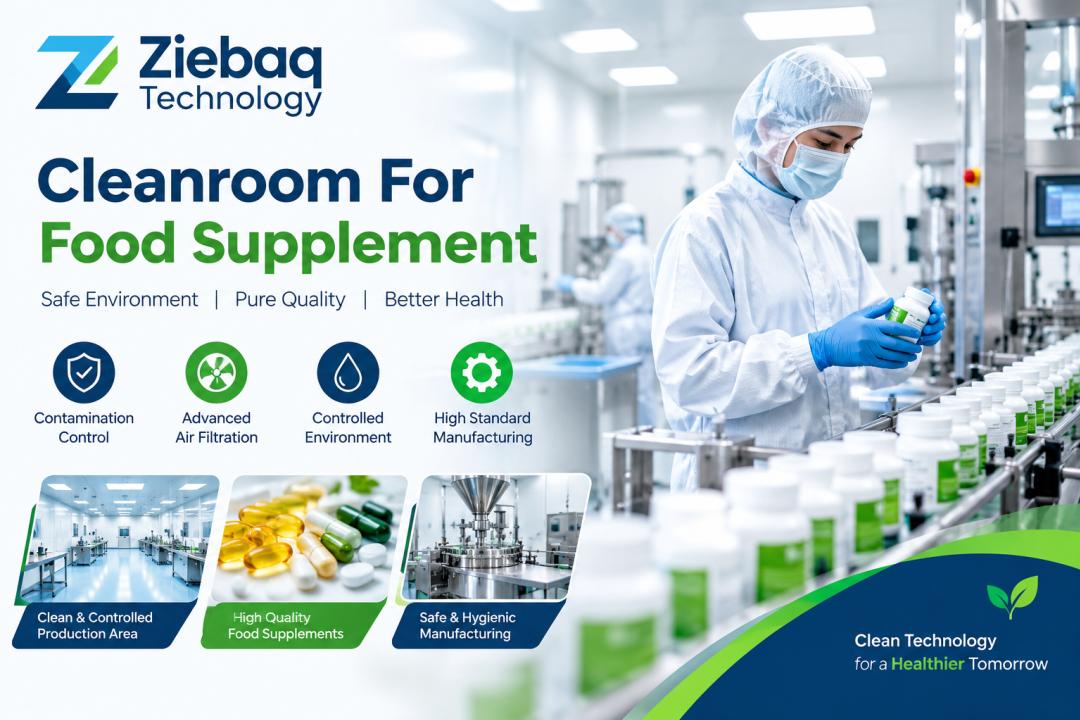
A Cleanroom For Food Supplement production may be used during ingredient handling, powder blending, capsule filling, tablet production, and packaging. The required level of environmental control depends on the product, manufacturing method, and applicable standards.
Cleanrooms commonly incorporate high-efficiency particulate air (HEPA) filtration, appropriate ventilation systems, hygienic surfaces, and controlled personnel access. These features help manufacturers establish a cleaner production environment and reduce the possibility of unwanted substances entering the final product.
1. Preventing Contamination During Production
Contamination is one of the major concerns in food supplement manufacturing. Dust, microorganisms, foreign particles, and residues from other ingredients can compromise product quality and safety.
Cleanrooms help minimize these risks through controlled airflow, effective filtration, regular cleaning, and carefully defined hygiene procedures. These measures are particularly important when handling powdered ingredients, botanical extracts, vitamins, and other materials that can easily disperse into the surrounding environment.
For example, during capsule filling or powder blending, airborne particles from nearby operations may enter exposed products if suitable controls are not in place. A properly designed cleanroom helps reduce this possibility and supports a more hygienic production process.
2. Maintaining Product Quality and Consistency
Consumers expect food supplements to contain the ingredients and quantities stated on their labels. Maintaining consistent product quality requires careful control over manufacturing conditions and ingredient handling.
A cleanroom environment helps reduce the risk of contamination that could affect a batch's appearance, purity, or overall quality. Controlled temperature and humidity can also be beneficial for ingredients that are sensitive to moisture or environmental changes.
By combining environmental controls with validated manufacturing procedures, ingredient testing, and quality assurance, manufacturers can improve batch consistency. These practices help ensure that supplements meet established specifications before they reach consumers.
3. Supporting Regulatory Compliance
Food supplement manufacturers must follow applicable food safety, hygiene, and manufacturing requirements in their target markets. Depending on the jurisdiction and product category, these may include good manufacturing practices (GMP), documented sanitation procedures, and risk-based quality controls.
A Cleanroom For Food Supplement production can support compliance by providing a controlled environment and helping manufacturers implement documented procedures for cleaning, personnel movement, air handling, and contamination prevention.
However, a cleanroom alone does not guarantee regulatory compliance. Manufacturers must also maintain appropriate records, verify suppliers, inspect raw materials, monitor production processes, and conduct relevant quality tests. The complete manufacturing system must meet the requirements applicable to the product and market.
4. Improving Air Quality and Environmental Control
Air quality is an important consideration when manufacturing supplements, particularly products involving open powders, capsules, or tablets.
HEPA filtration systems can remove a high proportion of airborne particles when correctly selected, installed, and maintained. Suitable ventilation and airflow design can help control the movement of contaminants between production areas.
Temperature and humidity monitoring also help manufacturers maintain conditions appropriate for their ingredients and processes. Where necessary, pressure differentials between rooms can help prevent contaminants from moving into cleaner areas.
Regular maintenance, filter testing, and environmental monitoring are essential to ensure that these systems continue to perform as intended.
5. Protecting Employees and Preventing Cross-Contamination
Cleanrooms can also contribute to a safer and more organized workplace. Personnel training, protective clothing, hand hygiene, and controlled entry procedures help reduce the introduction of contaminants into production areas.
Cross-contamination is particularly important when facilities manufacture multiple supplement formulations. Ingredients from one product may unintentionally transfer to another through equipment, surfaces, dust, or personnel.
Proper room zoning, equipment cleaning, material flow planning, and dedicated production arrangements where necessary can help manage these risks. Appropriate dust extraction is also important when handling fine powders, as some ingredients may create inhalation hazards or combustible dust risks.
6. Building Consumer Trust and Brand Reputation
Product safety and quality are central to consumer confidence. Manufacturers that invest in hygienic facilities, reliable testing, and documented quality systems demonstrate a commitment to producing dependable supplements.
A well-designed cleanroom supports these efforts by helping reduce contamination risks and maintain consistent manufacturing conditions. When combined with transparent quality procedures and appropriate product testing, it can strengthen a brand's reputation among retailers, distributors, and consumers.
This investment may also help manufacturers prepare for production expansion, customer audits, and changing quality expectations.
7. Choosing the Right Cleanroom Solution
Selecting a suitable cleanroom requires a clear understanding of the manufacturing process. Companies should assess the types of supplements they produce, the sensitivity of their ingredients, the risk of cross-contamination, and the applicable regulatory requirements.
Important considerations include air filtration, room layout, washable surfaces, ventilation capacity, humidity control, personnel access, and environmental monitoring. Manufacturers should also consider future production needs, cleaning requirements, maintenance costs, and energy efficiency.
Working with experienced cleanroom designers and qualified engineering professionals can help businesses develop a facility that suits their operational requirements without introducing unnecessary complexity or expense.
Conclusion
A Cleanroom For Food Supplement manufacturing facility is a valuable investment for businesses focused on product safety, quality, and consistent production. By controlling airborne particles, improving hygiene, managing environmental conditions, and reducing cross-contamination risks, cleanrooms support safer supplement manufacturing.
Nevertheless, cleanrooms are most effective when integrated into a comprehensive quality management system that includes trained personnel, validated cleaning procedures, suitable equipment, ingredient testing, and regulatory compliance.
As consumer expectations continue to grow, supplement manufacturers can benefit from adopting appropriate cleanroom solutions that support reliable production and long-term business success.