Introduction
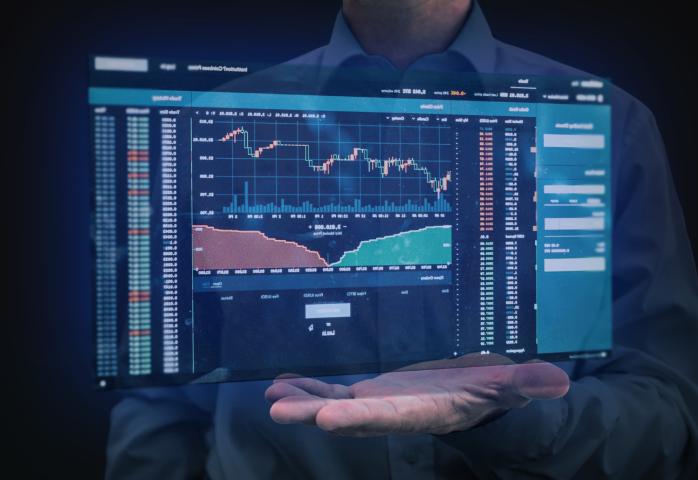
Financial markets move at a pace where delayed or disconnected information can affect everything from risk assessment to portfolio management. Trading firms, investment organizations, banks, and financial technology providers increasingly depend on data from exchanges, brokers, market feeds, internal systems, research platforms, and alternative sources. Bringing these streams together is no longer simply an IT task. It is an important part of building reliable, responsive financial operations.
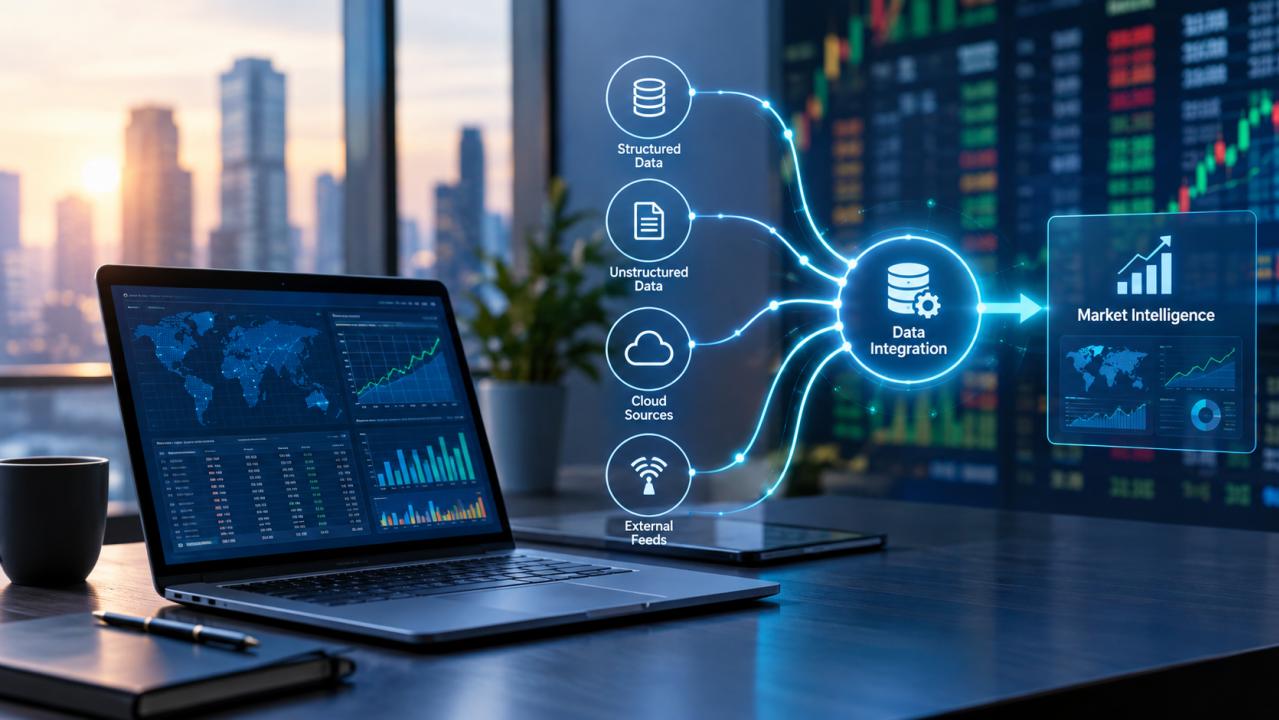
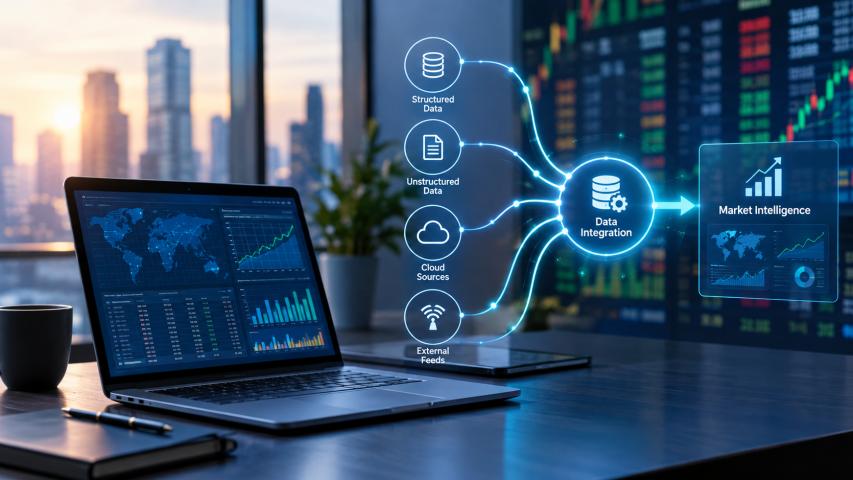
This is where trading data integration solutions become valuable. They help organizations connect different data sources, standardize information, and make relevant data available across applications and analytical environments. Instead of forcing teams to work across isolated systems, integration creates a more connected data environment where information can move efficiently between platforms.
As trading technologies become more sophisticated, organizations also need integration strategies that support accuracy, scalability, security, and timely access to information. A well-designed approach can help teams spend less time resolving data inconsistencies and more time using information for meaningful analysis.
Why Trading Data Integration Matters
Trading environments often contain data generated by multiple systems. Market prices may arrive from external feeds, while orders, transactions, customer information, and risk metrics can originate from separate internal platforms. If these systems operate independently, teams may encounter duplicated records, inconsistent formats, delayed updates, or incomplete information.
Trading data integration solutions create connections between these environments so that relevant information can be exchanged more consistently. Integration can also help organizations establish a more dependable flow of data between trading applications, analytics platforms, data warehouses, and reporting systems.
The goal is not simply to move data from one location to another. Effective integration gives organizations greater visibility into where information originates, how it changes, and where it is ultimately used. That visibility can become particularly important when financial teams need to investigate discrepancies or validate information before making operational decisions.
Connecting Market Data Across Financial Systems
Market data can arrive in different formats and at different speeds. One source may provide pricing information while another supplies trading activity, instrument details, or reference data. Without an effective integration architecture, bringing these sources together can require significant manual effort.
Modern trading data integration solutions can connect APIs, databases, streaming platforms, files, and other enterprise data sources. Data can then be transformed into formats that downstream applications understand.
For example, an organization might integrate exchange data with internal trade records and risk information. The resulting data environment can give analysts a broader view of market activity rather than requiring them to compare information manually across several systems.
This connected approach can also support data pipelines that continuously transfer information between operational systems and analytical environments. When designed properly, these pipelines help maintain consistency while reducing unnecessary duplication.
Improving Data Quality and Consistency
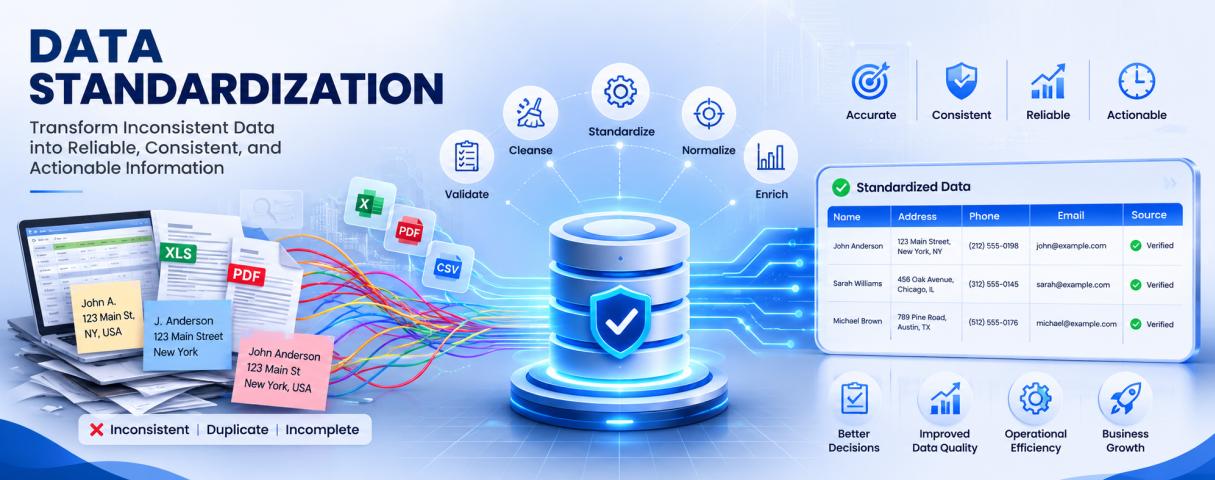
Data integration is only useful when the information being integrated can be trusted. Financial organizations often deal with differences in naming conventions, timestamps, formats, identifiers, and data structures. Even small inconsistencies can create problems when information is combined for analysis.
A strong integration architecture can include validation and transformation processes that standardize incoming information. For instance, identifiers can be mapped to consistent formats, incomplete records can be flagged, and duplicate information can be identified before data reaches downstream systems.
Data quality should also be monitored continuously. A pipeline that successfully connects two systems today may encounter new data conditions as applications, feeds, or business processes change. Monitoring helps organizations identify problems before inaccurate information spreads across dependent systems.
Supporting Real Time Trading Analytics
Timeliness is another important consideration. Financial teams may need current information for monitoring market conditions, analyzing trading activity, or managing operational exposure. Batch-oriented processes can still be useful for historical reporting, but some workloads require more immediate data movement.
Trading data integration solutions can support architectures that combine batch processing with event-driven or streaming approaches. This allows organizations to choose an appropriate integration method based on the characteristics of each data source and business requirement.
For example, high-frequency market information may require streaming ingestion, while end-of-day reconciliation data may be handled through scheduled processing. A flexible architecture avoids applying one integration model to every workload.
The result can be a data environment capable of supporting both operational processes and analytical use cases without creating unnecessary complexity.
Strengthening Risk and Compliance Processes
Financial organizations operate in environments where traceability and governance matter. Teams may need to understand where data originated, when it was processed, and how it was transformed before reaching a reporting or analytical system.
Integration architecture can contribute to this transparency by incorporating metadata, validation rules, access controls, and monitoring into data workflows. These capabilities make it easier to trace information across connected systems.
For risk teams, integrated data can provide a broader foundation for monitoring exposures and investigating anomalies. For compliance functions, consistent data flows can help support reporting processes and improve visibility into the movement of sensitive financial information.
Technology alone does not guarantee compliance, but properly governed integration can provide infrastructure that supports organizational controls and accountability.
Building Scalable Trading Data Architectures
Trading environments rarely remain static. Organizations add new markets, applications, data providers, analytical tools, and digital services over time. An integration architecture that works for a small number of sources may become difficult to maintain as those connections multiply.
Scalability therefore needs to be considered from the beginning. Modular integration patterns, reusable connectors, APIs, cloud platforms, and event-driven architectures can help organizations accommodate changing requirements.
Trading data integration solutions can also support hybrid environments where legacy financial applications coexist with modern cloud services. Instead of replacing every existing system immediately, organizations can create controlled connections between established platforms and newer technologies.
This incremental approach can reduce disruption while creating opportunities to modernize data workflows gradually.
Making Data More Useful for AI and Advanced Analytics
The quality of an organization's AI initiatives depends heavily on the data available to its models. Trading organizations exploring machine learning, predictive analytics, or generative AI therefore need reliable access to well-structured information.
Integrated data can provide the foundation for analytical pipelines that bring together market information, transaction histories, operational records, and other relevant datasets. Once data is standardized and governed, teams can prepare it for machine learning and analytical workloads more efficiently.
This does not mean integration automatically produces better AI outcomes. Data quality, model design, governance, security, and domain expertise remain important. Integration simply helps create the connected data foundation required for these initiatives.
Choosing the Right Integration Strategy
There is no single integration architecture that fits every trading organization. Requirements vary according to data volume, latency, security expectations, existing technology, regulatory considerations, and analytical workloads.
Organizations should first understand which data sources are most important and how that information is currently being used. From there, they can identify gaps in connectivity, quality, governance, and availability.
A practical strategy should also account for future requirements. Selecting tools solely for today's workloads can create technical limitations later. Open interfaces, reusable pipelines, strong monitoring, and flexible deployment options can make an integration environment easier to evolve.
Conclusion
Financial data has become an operational asset, but its value depends on how effectively organizations can connect, manage, and use it. Trading data integration solutions provide a foundation for bringing market feeds, trading systems, analytical platforms, and enterprise applications into a more coordinated data environment.
The strongest integration strategies go beyond basic connectivity. They address data quality, governance, scalability, security, real-time processing, and the growing requirements of advanced analytics and AI.
For organizations operating in fast-moving financial markets, a thoughtful integration architecture can create a more dependable path from raw information to usable business insight. As trading ecosystems continue to evolve, flexible and well-governed data integration will remain an important part of building resilient digital financial operations.