Introduction:
Imagine walking into a tech interview, confidently speaking about Agile principles, and showcasing your Scrum certification as proof of your hands-on knowledge. In today's competitive job market, standing out isn't optional it's essential.
Agile methodologies have reshaped how modern organizations deliver value. As businesses increasingly shift from traditional project management models to Agile frameworks, Scrum-certified professionals are in high demand. Whether you aim to become a Certified ScrumMaster, a Product Owner, or earn your PSM certification, Agile credentials are becoming the new standard for career advancement.

But what exactly does this certificate do for your career? Let's dive deep.
What is Agile Scrum Certification?
Understanding Scrum in a Nutshell
Scrum is a lightweight, Agile framework that helps teams deliver value quickly, flexiblely, and collaboratively. It’s used globally across industries, especially software development, finance, healthcare, and manufacturing.
A Scrum certification is a formal acknowledgment that you understand the framework, principles, and practical applications of Scrum. Popular certifications include:
Certified ScrumMaster (CSM
Professional Scrum Master (PSM)
Product Owner Certification
These programs validate your skills and help you become an effective Scrum practitioner or leader.
Why Agile Scrum Certification is a Career Booster
1. Global Demand and Recognition
Organizations worldwide have adopted Agile. According to the 15th State of Agile Report, 94% of companies report using Agile in some capacity. Scrum is the most used framework under Agile.
Employers recognize Scrum certifications as a benchmark for Agile competence. Holding a PSM certification or being a Certified ScrumMaster can open doors in tech, finance, logistics, and even government sectors.
2. Increased Earning Potential
Professionals with Scrum certifications often command higher salaries. According to Glassdoor and Indeed:
Certified ScrumMasters (CSM) earn an average of $105,000–$125,000 in the U.S.
Professional Scrum Masters (PSM) often earn similar or higher salaries based on seniority and role.
Product Owners can earn $110,000–$140,000, especially with certification.
This salary boost reflects the demand for Agile expertise and the critical role Scrum professionals play in delivering high-value projects.
3. Career Flexibility and Diverse Roles
Once certified, you’re not limited to one path. Agile Scrum certification opens multiple roles:
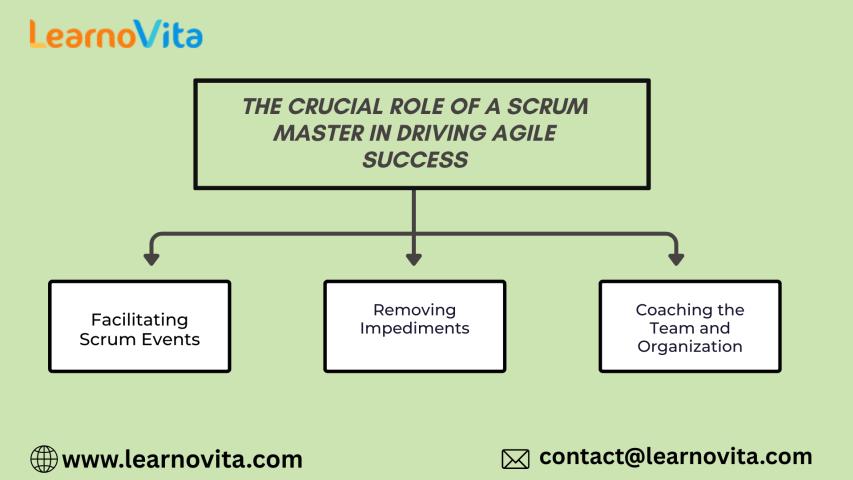
Scrum Master – Facilitates teams, removes obstacles, and ensures Agile principles.
Product Owner – Manages the product backlog and maximizes product value.
Agile Coach – Mentors teams and leaders in Agile adoption.
Project Manager (Agile) – Oversees project delivery with Agile frameworks.
The career possibilities are vast across different domains and industries.
4. Real-World Problem-Solving Skills
Scrum isn't just theory. It’s about hands-on problem-solving. Scrum-certified professionals are trained to:
Break down complex tasks into manageable sprints.
Manage team collaboration and velocity.
Handle changing priorities and adapt quickly.
Deliver continuous value through iteration.
These are practical skills every modern team needs.
5. Team Collaboration & Leadership Skills
The Scrum framework emphasizes communication and collaboration. With a certification, you learn how to:
Conduct daily stand-ups, sprint planning, and retrospectives.
Foster self-organizing teams.
Lead without authority, using influence and trust.
This builds not just technical ability but leadership potential.
Real-World Impact: Scrum Certification in Action
Let’s take a real-world example.
Case Study: Sarah, a Manual Tester → Certified ScrumMaster
Sarah was a manual QA tester. She often faced job instability due to automation and evolving tech skills. She enrolled in H2K Infosys’s Professional Scrum Master course. After earning her certification, she transitioned into a Scrum Master role at a leading software company. Today, she leads cross-functional teams, earns 40% more than before, and is on track to become an Agile Coach.
Her story isn’t unique. Thousands of professionals have transformed their careers through Scrum certification.
How Does Scrum Certification Help Different Professionals?
1. Software Developers
Understand how to work in sprints
Align development goals with customer needs
Enhance collaboration with testers and Product Owners
2. Project Managers
Transition from traditional Waterfall to Agile management
Master stakeholder communication and sprint planning
Deliver faster with better predictability
3. Business Analysts
Write effective user stories
Collaborate with Product Owners on backlog grooming
Become a bridge between business and technology
4. QA Engineers
Participate actively in test planning
Understand continuous integration/continuous delivery (CI/CD)
Add value by testing early and often during sprints
5. Product Managers
Learn backlog prioritization techniques
Master stakeholder communication
Deliver incremental value that aligns with business goals
What Makes PSM Certification Stand Out?
The Professional Scrum Master (PSM) certification is globally recognized for its rigor and depth. Unlike some certifications that require mandatory training, PSM exams can be taken independently but proper preparation is essential.
Benefits of PSM Certification:
Lifetime certification (no renewal required)
Validated by founded by Ken Schwaber, co-creator of Scrum
High standard ensures credibility in the job market
H2K Infosys offers in-depth PSM training that includes real-world case studies, quizzes, mock exams, and coaching to help you pass on the first attempt.
How to Get Scrum Certified: A Step-by-Step Guide
Step 1: Choose Your Certification
Certified ScrumMaster (CSM) – Great for entry-level professionals
PSM I – Ideal for those who want globally respected credentials
Product Owner Certification – Best if you're managing product vision
Step 2: Get Quality Training
Enroll in a professional training program like H2K Infosys that offers:
Live instructor-led sessions
Interactive workshops and Scrum simulations
Practice assessments and certification guidance
Step 3: Prepare and Practice
Study the free online
Join online communities and forums
Take mock exams
Step 4: Take the Exam
CSM: Requires a 2-day workshop + online exam
PSM: Online exam with 80 questions (85% passing score)
Step 5: Apply Your Skills
Start applying your knowledge in current or new roles. Employers value experience and certification combined.
Scrum Certification vs. Traditional Project Management Certification
Feature | Scrum Certification (PSM/CSM) | PMP (Project Management Professional) |
Focus | Agile & Scrum practices | Waterfall project management |
Duration | Short (2-4 weeks prep) | Long (2-6 months) |
Cost | Lower | Higher |
Renewal | None (for PSM) | Every 3 years |
Flexibility | High | Medium |
Agile certifications like PSM are often more accessible and job-relevant for fast-paced industries.
SEO Tip: Long-Tail Keywords You Should Know
When people search for Agile certifications, they use phrases like:
“Is Scrum Master certification worth it?”
“PSM vs CSM certification”
“Product Owner certification benefits”
“Best Scrum course online with job support”
By targeting these long-tail keywords in your blog or portfolio, you increase your chances of being discovered by recruiters and employers.
Key Takeaways
Scrum certification validates your Agile skills and increases job opportunities.
PSM and Certified ScrumMaster certifications offer credibility and higher salary potential.
Real-world application of Scrum skills helps you lead, manage, and collaborate more effectively.
Professionals from all backgrounds—development, QA, product management—benefit from Agile training.
H2K Infosys provides top-rated Professional Scrum Master training with real-time projects and expert mentoring.
Conclusion:
Agile is here to stay. And Scrum is at its heart.
If you're ready to boost your career, earn more, and become a future-ready professional, then a Scrum certification is your next step.
Join H2K Infosys today for hands-on PSM training and become a confident, certified Scrum professional ready to lead the Agile revolution.