Introduction:
Picture this: A team racing against deadlines, juggling priorities, and constantly adapting to changes. Now, imagine this same team delivering high-quality work on time, staying aligned, and improving continuously. What’s the difference? One word Scrum.
In a fast-paced digital world, companies are rapidly adopting Agile practices to stay competitive. At the heart of Agile is Scrum, a framework known for boosting team performance and product quality. But to implement it effectively, teams need a strong leader, the Scrum Master.
This is where Scrum certification becomes a game-changer. Whether you’re looking to become a Scrum Master, enhance your Agile skills, or improve your team’s output, getting a certified Scrum certification helps you stay ahead.
So, what exactly are the objectives of an Agile Scrum certification? Let’s dive deep.

What Is Agile Scrum Certification?
Before we discuss the objectives, let’s first understand what Agile Scrum certification means.
Agile Scrum certification is a professional validation that confirms your understanding of Scrum principles, practices, and roles. It equips you to guide teams using Agile methods and positions you as a capable Scrum Master.
The Professional Scrum Master (PSM) course, in particular, helps individuals master the Scrum framework, empowering them to handle Agile project challenges confidently and effectively.
Main Objectives of Agile Scrum Certification
1. Master the Fundamentals of Scrum
Objective: Build a solid foundation of Scrum theory, roles, events, and artifacts.
Scrum might seem simple, but there’s depth behind every sprint, backlog, and retrospective. A certified scrum certification ensures you:
Understand Scrum values and principles
Learn the difference between Agile and traditional models
Gain insights into empirical process control theory (transparency, inspection, adaptation)
Example: Let’s say your project gets derailed mid-way. A solid understanding of Scrum fundamentals helps you reset goals, adjust the backlog, and realign team efforts without losing momentum.
2. Develop Scrum Master Skills
Objective: Equip learners to play the role of a Scrum Master effectively.
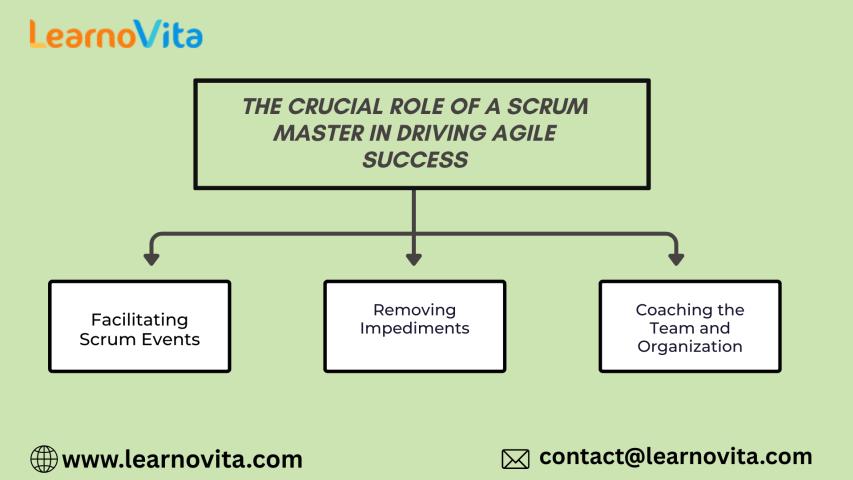
The Scrum Master is not just a facilitator; they are the servant-leader, coach, and problem solver. Scrum master training focuses on developing:
Conflict resolution skills
Team motivation techniques
Coaching methods to foster Agile values
Agile metrics and reporting skills
Real-World Use: According to the State of Agile Report, 81% of organizations reported better collaboration and productivity after appointing trained Scrum Masters.
3. Enable Continuous Improvement
Objective: Promote the practice of iterative progress through retrospectives and feedback loops.
Scrum isn’t about rigid plans it’s about evolution. The certification teaches you to:
Conduct effective Sprint Retrospectives
Encourage team reflection and learning
Apply metrics like velocity and burndown charts to track progress
Tip: Continuous improvement doesn’t mean massive changes. Even a small tweak in how the daily stand-up is conducted can boost team efficiency.
4. Improve Product Delivery and Customer Value
Objective: Train professionals to deliver better products through incremental delivery.
A Scrum-certified professional knows how to break down complex projects into deliverable features that provide real customer value. This includes:
Prioritizing work based on ROI
Refining product backlogs effectively
Ensuring faster delivery cycles with high-quality output
Stat Insight: A McKinsey study found that Agile organizations are 30% more productive in delivering customer value compared to traditional ones.
5. Enhance Team Collaboration and Communication
Objective: Foster a collaborative team culture using Scrum events and practices.
Scrum certification teaches how to conduct key Scrum ceremonies like:
Daily Stand-Ups
Sprint Planning
Retrospectives
These events promote team alignment and open communication, creating a culture where everyone shares responsibility for success.
6. Promote Agile Mindset and Cultural Shift
Objective: Help organizations and individuals transition from traditional to Agile mindset.
It’s not just about using Scrum tools; it’s about thinking Agile. A scrum certification helps learners:
Embrace change and flexibility
Shift from command-control to collaboration
Make decisions based on feedback, not predictions
Quick Thought: Agile isn’t just a method; it’s a mindset. And Scrum certification helps instill that mindset at every level.
7. Boost Career Opportunities and Professional Growth
Objective: Position professionals for career advancement in Agile environments.
One of the biggest reasons professionals pursue scrum master training is career growth. With businesses adopting Agile at scale, Scrum-certified professionals are in high demand.
Benefits include:
Higher salary packages
More leadership roles
Opportunities in global Agile teams
Data Point: According to Glassdoor, Scrum Masters earn an average of $105,000/year in the U.S., with certified professionals earning even more.
Practical Applications of Scrum Certification
Let’s now look at where and how Scrum knowledge is applied in real work settings.
✔ IT and Software Development
Scrum originated in software teams. Agile Scrum certification enables:
Agile sprint planning
Test-driven development (TDD)
Fast-paced product iterations
✔ Marketing and Sales
More teams outside IT now use Scrum:
Sprint-based campaign planning
Daily stand-ups to align with sales goals
Retrospectives to improve lead conversion
✔ Education and Product Design
Educators and designers use Scrum to:
Create better user-centric products
Iterate based on student or user feedback
Run experimental projects with short feedback loops
Step-by-Step: How to Achieve Scrum Certification
Here’s a simple roadmap for anyone pursuing scrum certification:
Choose the Right Course – Go for a reputed Professional Scrum Master (PSM) training program.
Attend Interactive Sessions – Gain hands-on knowledge through live classes and discussions.
Study the Scrum Guide – It’s the holy grail of Scrum knowledge.
Practice Real-World Scenarios – Work on Agile projects or simulations.
Take the Certification Exam – Demonstrate your mastery and earn your credential.
Common Misconceptions About Scrum Certification
It’s easy to fall into some myths about Agile certifications. Let’s bust a few:
Myth: You need tech skills to be a Scrum Master.
Truth: Anyone can become a Scrum Master, even without a tech background.Myth: Scrum is only for software teams.
Truth: Scrum is widely used in HR, marketing, education, and operations.Myth: Certification alone guarantees a job.
Truth: Certification + real-world application = true value.
Key Takeaways
Scrum certification equips you with Agile knowledge, leadership skills, and real-world experience.
Certified Scrum certification helps you grow your career in various industries beyond tech.
Through scrum master training, you learn to lead teams, manage product delivery, and foster continuous improvement.
Companies prefer hiring professionals who understand Scrum and are certified to implement it effectively.
Conclusion:
If you're serious about boosting your career and confidently leading Agile teams, a Professional Scrum Master certification is your stepping stone.
Join H2K Infosys today for hands-on scrum master training and real-world learning from industry experts.