Introduction:
Agile has revolutionized how teams deliver value, but what happens when agile must scale across dozens or even hundreds of teams in a large enterprise? Enter the Scaled Agile Framework (SAFe). SAFe is one of the most widely adopted frameworks for scaling agile, combining lean systems thinking and agile development into a cohesive strategy for enterprise agility.
Suppose you're considering a career boost as a Safe scrum master certification holder or are just curious about how SAFe works in practice. In that case, this review offers a deep dive into its structure, real-world applications, and why it’s such a hot topic in agile transformation conversations today.

What is SAFe?
SAFe (Scaled Agile Framework) is a set of organizational and workflow patterns used to implement agile practices at scale. It provides a structured approach to managing large-scale software development projects involving multiple agile teams that need to coordinate toward a shared goal.
At its core, SAFe combines:
Agile Development
Lean Product Development
Systems Thinking
The framework is organized into several layers depending on the size and needs of the organization:
Essential SAFe
Large Solution SAFe
Portfolio SAFe
Full SAFe
This layered structure allows organizations to adapt the framework based on their complexity and scale.
The Role of a SAFe Certified Scrum Master
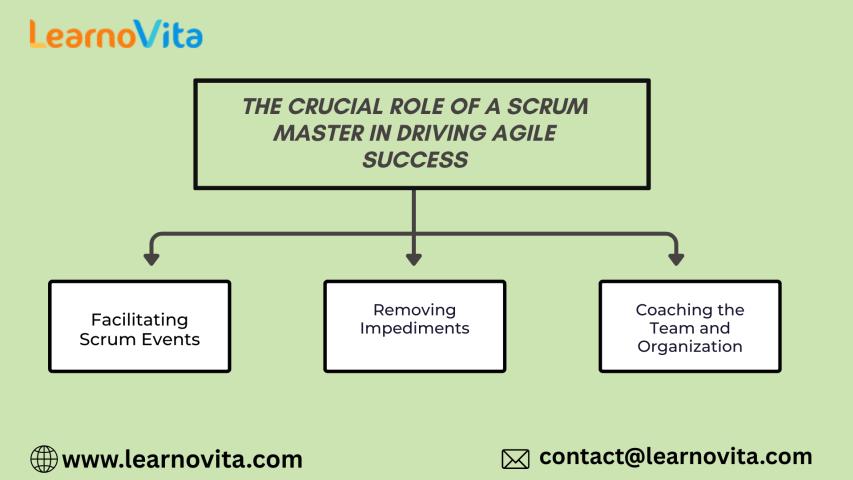
A safe, certified scrum master goes beyond traditional Scrum roles. In a SAFe enterprise, a scrum master serves the Agile Release Train (ART), a team of teams responsible for delivering value through Program Increments (PIs). Their responsibilities include:
Facilitating team-level agile events
Supporting PI Planning and cross-team coordination
Removing impediments
Coaching on SAFe principles
Enabling relentless improvement across teams
Unlike a basic scrum master, a safe advanced scrum master works not only with individual agile teams but also collaborates with release train engineers (RTEs), product managers, and solution architects.
Benefits of SAFe: Why Enterprises Choose It
1. Scalability and Structure
SAFe introduces a clear hierarchical structure Portfolio, Large Solution, Program, and Team enabling better alignment, visibility, and delivery across distributed teams.
2. Cross-Team Collaboration
Through events like PI Planning, teams across the enterprise sync up on shared objectives, ensuring alignment and transparency.
3. Business Agility
SAFe helps large organizations become more responsive to market changes. Its lean budgeting and portfolio-level decision-making processes drive faster time-to-market.
4. Customer-Centric Development
By focusing on value streams and design thinking, SAFe ensures that development efforts are closely aligned with customer needs.
5. Improved Quality and Productivity
SAFe emphasizes continuous integration, testing, and feedback, which improves product quality and team productivity over time.
Real-World Examples of SAFe in Action
Many global enterprises have adopted SAFe to drive digital transformation. Consider this example:
Case Study: Telecommunications Giant Implements SAFe
A global telecom company with over 50 agile teams adopted SAFe to streamline its software delivery process. Before SAFe, the teams were siloed, leading to inconsistent releases and misaligned priorities. After implementing SAFe and training its scrum masters through a safe scrum master certification program, the organization reported:
A 35% improvement in delivery time
Better cross-team collaboration
Enhanced customer satisfaction
This case highlights how SAFe, with proper training and leadership, can significantly improve enterprise agility.
Challenges and Considerations
While SAFe offers clear benefits, it’s not without challenges:
1. Complexity
SAFe can feel overwhelming for organizations new to agile. Its layered approach requires dedicated coaching and change management.
2. Cultural Shift
Moving to SAFe often means rethinking leadership roles, decision-making authority, and organizational hierarchies.
3. Training Investment
Success with SAFe heavily depends on well-trained personnel. Certification programs like safe advanced scrum master are critical to prepare professionals for scaled roles.
Who Should Consider SAFe Scrum Master Certification?
If you are:
A current Scrum Master looking to advance
Working in or transitioning to a large-scale agile organization
Interested in leading at the program or enterprise level
...then the safe scrum master certification is the ideal next step.
This certification equips you with the tools and mindset to:
Guide agile teams in a SAFe enterprise
Facilitate cross-team coordination
Support enterprise-level agile practices
Increase your value in the job market
How SAFe Compares to Other Agile Frameworks
Feature | SAFe | Scrum | LeSS / Nexus |
Scale | Enterprise-wide | Team-level | Multi-team |
Roles | Expanded (e.g., RTE, Epic Owner) | Scrum Master, PO, Dev Team | Similar to Scrum |
Structure | Layered (Portfolio to Team) | Flat | Lightweight structure |
Planning Cadence | Program Increment (PI) | Sprint | Sprint |
Certification Path | Multiple SAFe roles | CSM, PSM | LeSS Practitioner |
Step-by-Step: Becoming a Certified SAFe Scrum Master
Here’s how to get started:
Step 1: Learn the Basics
Understand agile, lean, and Scrum fundamentals.
Step 2: Choose the Right Course
Enroll in a certified safe Scrum master course from a reputable training provider like H2K Infosys.
Step 3: Attend the Training
Participate in live online classes, group discussions, and real-time project simulations.
Step 4: Pass the Exam
Complete the SAFe certification exam with the required score.
Step 5: Apply Your Skills
Join or support a SAFe implementation team in your organization.
Long-Term Career Benefits of SAFe Certification
Higher Salaries: Certified SAFe professionals earn significantly more than their non-certified counterparts.
Increased Demand: Companies are actively hiring SAFe-certified professionals as part of digital transformation initiatives.
Versatile Skillset: Gained exposure to agile at scale, lean principles, and cross-functional leadership.
Global Recognition: SAFe certifications are recognized worldwide, opening doors in multiple industries.
Frequently Asked Questions (FAQs)
Q: Is SAFe better than traditional Scrum?
A: SAFe isn’t “better”; it’s designed for scale. If you're working with a single team, Scrum works great. For enterprise-level coordination, SAFe provides the structure that Scrum lacks.
Q: Can a beginner take SAFe Scrum Master training?
A: While some Agile experience helps, beginners can also pursue the safe scrum master certification by starting with foundational Agile concepts.
Q: How long does it take to become a SAFe certified scrum master?
A: Typically, 2 days of training followed by exam preparation for around 1-2 weeks total if you dedicate time consistently.
Conclusion
The Scaled Agile Framework is not just a methodology; it's a movement driving enterprise agility forward. Becoming a safe certified scrum master or pursuing the safe advanced scrum master role is more than a career boost; it’s an opportunity to shape how large organizations deliver value in the digital age.
Ready to scale your Agile journey? Enroll in H2K Infosys' Certified safe scrum master course today and step into the future of enterprise agility.