
Introduction: Why DevOps is the Future of Tech Careers
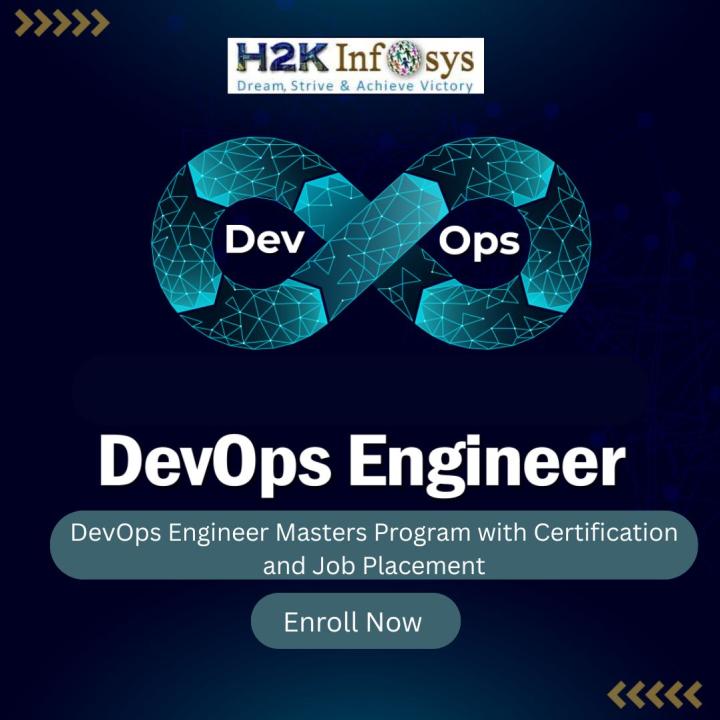
In today’s fast-paced technology landscape, the demand for DevOps engineers is skyrocketing. As organizations move toward automation, cloud adoption, and faster deployment cycles, the need for professionals who can bridge the gap between development and operations has become essential. A DevOps Engineer Masters Program with Certification and Job Placement is not just a career boost—it’s a game-changer. This program prepares you with the practical skills, real-time tools, and hands-on experience you need to succeed in modern IT environments.
Whether you're an IT professional seeking career advancement or a beginner looking to break into tech, this program equips you with the knowledge and confidence to take that next big leap.
What is a DevOps Engineer Masters Program?
A DevOps Engineer Masters Program is an all-in-one training solution designed to make you job-ready for DevOps roles. It covers essential tools, techniques, and processes that DevOps engineers use to automate infrastructure, deploy applications, and monitor system performance in real-time.
This comprehensive course is structured to give learners a complete understanding of the DevOps lifecycle, from continuous integration and continuous delivery (CI/CD) to infrastructure as code, containerization, and cloud deployment.
Core Features:
Instructor-led live sessions
Real-world projects and hands-on labs
Certification guidance and mock exams
Resume and interview preparation
Job placement assistance
Why You Should Become a DevOps Engineer
High Demand: According to industry reports, DevOps engineer roles are among the top-paying IT jobs globally.
Lucrative Salaries: DevOps engineers in the USA earn between $100,000 to $150,000 per year on average.
Cross-functional Skills: You gain expertise in development, operations, automation, and cloud.
Career Growth: It opens doors to senior roles like Cloud Architect, Site Reliability Engineer, and DevOps Consultant.
Key Components of the DevOps Engineer Course
Let’s explore the topics you will master through this in-depth DevOps Engineer course:
1. Linux Fundamentals and Scripting
Linux administration basics
Shell scripting for automation
File systems, processes, and permissions
2. Version Control with Git and GitHub
Git workflow and branching strategies
GitHub collaboration and pull requests
3. Build and Integration Tools
Maven and Gradle for project builds
Jenkins CI server setup
Creating pipelines for automation
4. Configuration Management
Ansible automation and playbooks
Chef and Puppet basics
5. Containerization with Docker
Docker images and containers
Docker Compose and orchestration
6. Orchestration with Kubernetes
Kubernetes architecture
Pods, deployments, and services
Managing clusters and scaling
7. Cloud Platforms
AWS fundamentals
IAM, EC2, S3, Lambda
Infrastructure automation with Terraform
8. Monitoring and Logging
Prometheus and Grafana dashboards
ELK Stack for log analysis
9. Security and Best Practices
DevSecOps essentials
Secrets management and auditing
Real-Time Projects for Practical Exposure
Projects are the backbone of hands-on learning. In this course, you will complete:
CI/CD pipeline for Java and Node.js applications
Dockerized deployment with Kubernetes
Infrastructure setup on AWS using Terraform
Monitoring with Prometheus-Grafana stack
These projects mirror actual DevOps tasks, preparing you for real-world job responsibilities.
Certification Paths Offered
You will be guided through certifications that validate your DevOps skills:
AWS DevOps Engineer Certification
Kubernetes Administrator Certification
Mock exams and interview simulations are included to boost your confidence.
Job Placement Assistance
Beyond training, job readiness is the goal. The program includes:
Resume building support
1:1 mentorship for interview prep
Job referrals and placement guidance
Many learners have successfully transitioned into roles like:
DevOps Engineer
Release Manager
Site Reliability Engineer
Cloud Automation Specialist
Who Can Enroll in This DevOps Engineer Masters Program?
This program is ideal for:
Software Developers
System Administrators
Network Engineers
Cloud Enthusiasts
IT Graduates and Beginners
No prior DevOps experience is needed. The curriculum starts from the basics and progresses to advanced topics.
Benefits of the DevOps Engineer Training Online
Flexible Learning: Attend live or recorded sessions from anywhere.
Mentor Support: Get doubts resolved by experts.
Lifetime Access: Review the content anytime.
Community: Join a network of learners and professionals.
Step-by-Step Guide to Getting Started
Enroll in the Course: Sign up through H2K Infosys.
Attend Live Classes: Join expert-led sessions.
Practice Projects: Build real-world solutions.
Get Certified: Clear exams with our support.
Land a Job: Use placement support to get hired.
Success Stories from Learners
Many students who started with little to no background in DevOps are now working in top roles. With dedication and support from instructors, they moved into six-figure jobs and career-defining positions. Your success story can be next.
Conclusion
The DevOps Engineer Masters Program with Certification and Job Placement is your gateway to a high-paying, future-ready tech career.
Join H2K Infosys today to gain in-demand DevOps skills and secure your dream job in IT!