As the banking landscape evolves rapidly, Micro ATMs are emerging as a key solution in bringing financial inclusion to remote, rural areas across India. In 2025, these small, portable devices are set to revolutionize how people access banking services, particularly for those who don’t have access to traditional bank branches.
Micro ATMs offer a convenient, cost-effective way for rural and semi-urban populations to withdraw cash, check balances, and perform other financial transactions, all without having to travel long distances to the nearest bank. As the demand for digital and Aadhaar Enabled Payment System (AEPS) services grows, the role of Micro ATMs becomes even more critical. Let's explore how Micro ATM service will shape the future of banking in 2025.
What are Micro ATMs?
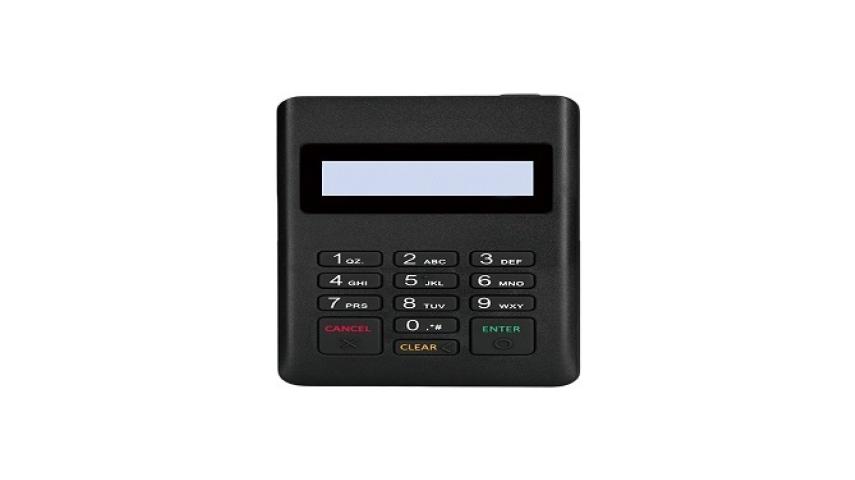
Micro ATMs are small, portable devices that allow banking agents to offer basic financial services on-the-go. Unlike traditional ATMs, which require significant infrastructure and are often found only in urban centers, Micro ATMs are designed to work in areas where traditional banking services are sparse or unavailable. By leveraging AEPS and other banking technologies, Micro ATMs enable a range of services such as:
-
Cash withdrawals
-
Balance inquiries
-
Mini statements
-
Fund transfers
-
Mobile recharges
These devices are powered by smartphones or tablets and typically include fingerprint scanners for Aadhaar-based authentication, making transactions fast and secure.
1. Bridging the Urban-Rural Divide
One of the most significant benefits of Micro ATM services is their ability to bridge the gap between urban and rural banking. According to the Reserve Bank of India (RBI), a significant portion of India’s population still lacks access to traditional banking infrastructure, particularly in rural areas.
In 2025, Micro ATMs are expected to become a vital tool for financial inclusion, enabling people in remote regions to access services that were once only available in cities. By integrating with AEPS solutions, Micro ATM providers can allow customers to perform transactions with only their Aadhaar number and biometric authentication.
For agents and distributors offering Micro ATM services, this opens up a huge opportunity to reach untapped markets while offering essential banking services to underserved populations.
2. Cost-Effectiveness and Accessibility
Micro ATMs are not only cost-effective but also easy to deploy. Unlike traditional ATMs, which involve significant upfront costs and maintenance, Micro ATMs are low-maintenance and portable. They do not require bulky infrastructure or high-powered electricity, making them perfect for rural entrepreneurs, agents, and distributors.
With just a smartphone, biometric device, and a point-of-sale (POS) terminal, agents can offer banking services at a fraction of the cost of traditional ATMs. This low-cost deployment is a game-changer for businesses looking to expand their reach without the high investment in infrastructure.
3. Fostering Financial Inclusion
India’s government has placed a strong emphasis on promoting financial inclusion through various initiatives, such as PMGDISHA (Pradhan Mantri Gramin Digital Saksharta Abhiyan), which aims to digitally empower citizens in rural areas. Micro ATMs play a key role in this mission by offering easy access to banking services without the need for traditional bank branches.
In the coming years, Micro ATM services will increasingly support the government’s goal of reaching financially underserved populations. With biometric authentication linked to Aadhaar, customers can make secure transactions without the need for a bank account, improving access to services such as direct benefit transfers, subsidies, and financial aid.
4. Enhancing Digital Payment Ecosystem
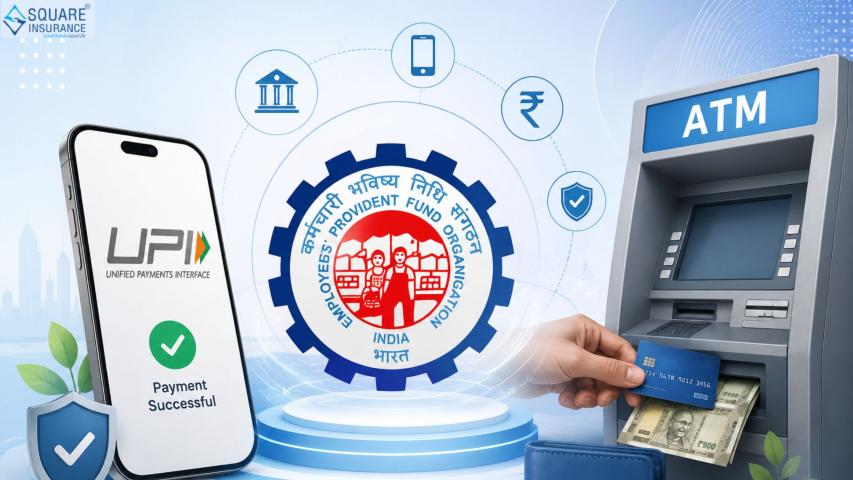
The digital payment ecosystem is expanding rapidly, and Micro ATMs will continue to play a crucial role in this transformation. As AEPS and UPI gain popularity in 2025, Micro ATMs will serve as a critical touchpoint for customers to perform transactions using their Aadhaar numbers and fingerprints.
For agents and distributors working with AEPS software, Micro ATMs offer an integrated platform that provides seamless access to a variety of financial services. This opens up new revenue streams by allowing agents to offer mobile recharges, money transfers, and even bill payments alongside basic ATM services.
5. Scalability for Businesses
For businesses, Micro ATMs offer scalability that traditional ATMs cannot match. With a smartphone and portable hardware, businesses can quickly set up and expand their reach without the need for expensive infrastructure investments. This is particularly important for B2B and B2C businesses aiming to serve customers in remote regions.
Moreover, Micro ATMs enable real-time reporting and transaction tracking, giving business owners and distributors complete control over their operations. They can monitor their transaction volumes, ensure transparency, and track commissions in real-time through integrated dashboards.
6. Better Security and Fraud Prevention
Micro ATMs are designed with security at the forefront. Biometric authentication—such as fingerprint scanning—is a significant step toward reducing fraud. Since AEPS-based transactions rely on Aadhaar data, the use of biometrics ensures that only authorized individuals can conduct transactions.
In addition to Aadhaar-based authentication, secure payment gateways and encrypted transactions ensure that customer data is protected from cyber threats, reducing the likelihood of fraud.
7. Better Customer Experience
By offering an easy-to-use interface, Micro ATMs provide a superior customer experience compared to traditional banking methods. Customers benefit from faster transactions, fewer service charges, and the convenience of accessing banking services locally, without having to travel long distances to the nearest branch.
This improved user experience drives customer satisfaction, loyalty, and retention for agents and distributors who provide Micro ATM services.
8. Opportunities for Rural Entrepreneurs
The growth of Micro ATM services creates tremendous opportunities for rural entrepreneurs to start their own businesses. By partnering with Micro ATM providers and leveraging AEPS technology, entrepreneurs can act as banking correspondents and earn a commission for facilitating transactions.
This model helps empower local communities by creating entrepreneurial opportunities and offering a steady income stream. It also contributes to the economic development of rural areas by generating employment and financial literacy.
9. Increased Adoption of Digital Banking
In 2025, the adoption of digital banking will be at an all-time high. Micro ATMs will help accelerate this trend by providing access to digital payment services in places where traditional banking is scarce. This digital shift will foster a cashless economy, allowing users to perform transactions using their Aadhaar number and mobile phones.
For agents, this means being part of a future-forward financial ecosystem that is in line with national goals for digital India.
10. Partnering with Trusted AEPS Software Providers
To ensure the reliability and security of Micro ATM services, partnering with an AEPS software provider like noblewebstudio is essential. noblewebstudio offers robust AEPS integration, secure transaction processing, and a comprehensive dashboard for transaction tracking and commission management.
By working with trusted software providers, agents and distributors can scale their Micro ATM businesses efficiently while ensuring that their services are secure and compliant with all regulatory standards.
Conclusion
As Micro ATM services continue to evolve, they are set to play a pivotal role in shaping the future of banking in India. By providing secure, cost-effective, and scalable solutions for rural and urban populations alike, Micro ATMs are driving financial inclusion and enabling digital payments at a larger scale.
For agents and distributors, partnering with a trusted AEPS solution provider like noblewebstudio offers the tools and support needed to thrive in this fast-growing sector. As we move toward 2025, Micro ATMs will be a key player in transforming India’s financial landscape, one transaction at a time.