
In a world where noise pollution is almost inevitable—be it from city traffic, construction, loud neighbors, or even home appliances—the pursuit of tranquility often feels like chasing a mirage. Whether it's your home, office, recording studio, or commercial space, creating an environment where sound doesn’t bounce, echo, or leak is a luxury we now realize is a necessity. The good news? The secret to achieving this lies in two powerful materials: Acoustic Sheets and Sound Insulation Sheets.
What are Acoustic Sheets and Why are they Essential?
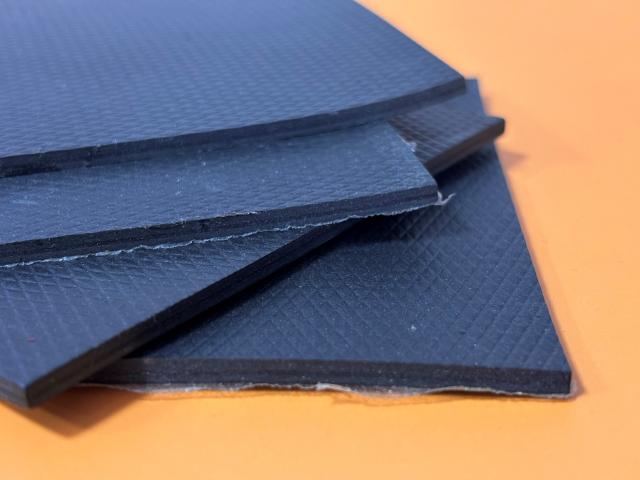
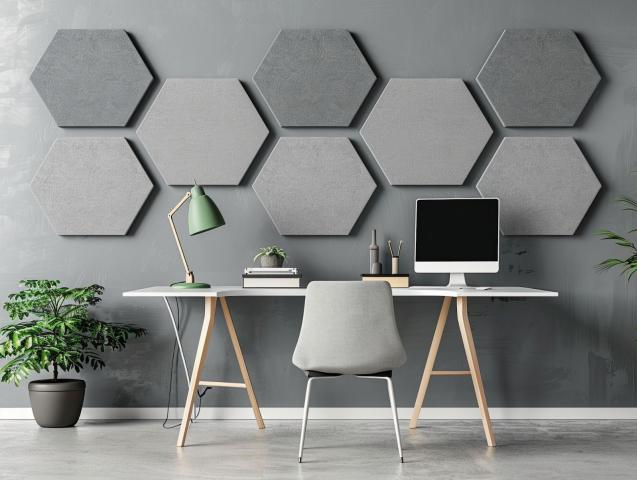
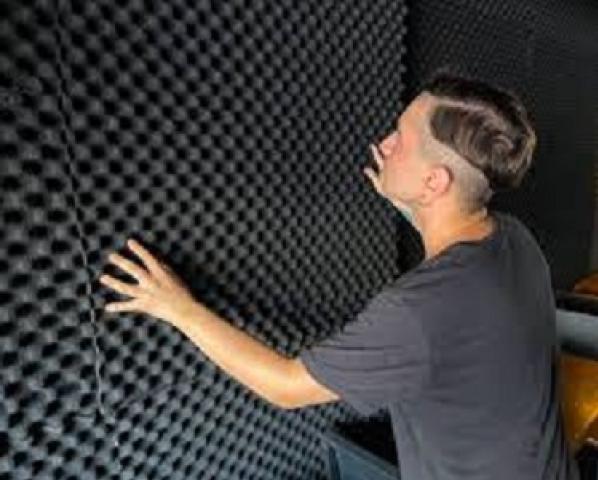
Acoustic Sheets are specially engineered materials designed to absorb and dampen sound waves. Unlike conventional materials that may merely block or reflect sound, Acoustic Sheets work by reducing reverberation and echo within a space, resulting in a more serene auditory experience.
Their role becomes pivotal in settings like conference rooms, podcast studios, music rehearsal areas, hospitals, libraries, or even your living room—basically anywhere that sound clarity or noise control is important. Whether you're trying to keep sound from entering a room or escaping it, these sheets form an effective layer of defense.
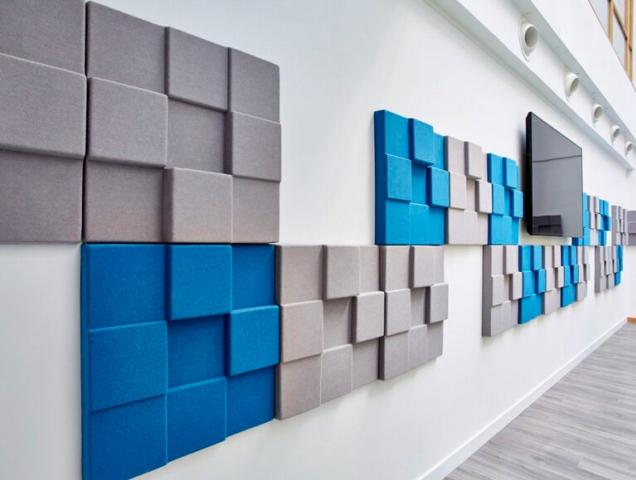
They also serve as a more versatile and aesthetically pleasing alternative to bulky, unattractive foam panels or heavy wall treatments. Many modern Acoustic Sheets are also designed with visual appeal in mind, available in varied textures, colors, and finishes to complement any interior.
How Do Sound Insulation Sheets Work?
While Acoustic Sheets absorb sound, Sound Insulation Sheets focus more on blocking sound transmission between spaces. Think of them as acoustic walls in sheet form. They are denser and heavier than their acoustic counterparts and are designed to minimize airborne noise such as voices, TV, or traffic.
Where Acoustic Sheets enhance the quality of sound within a space, Sound Insulation Sheets reduce the overall volume of sound traveling through barriers like walls, ceilings, and floors. This makes them ideal for shared spaces in apartments, hotels, corporate offices, and healthcare settings where privacy is paramount.
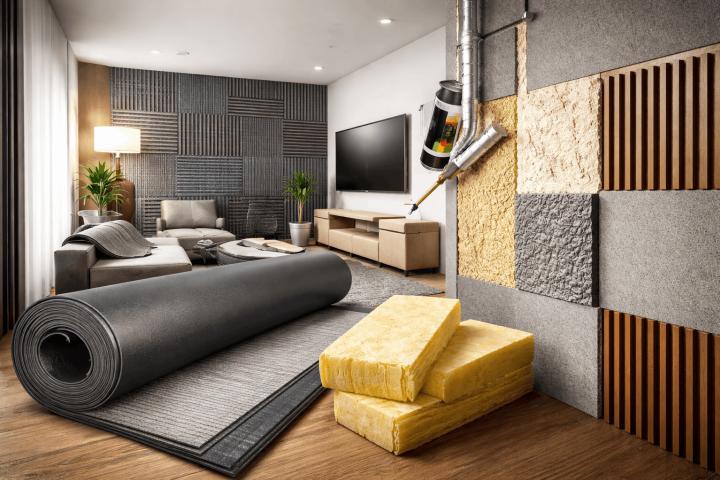
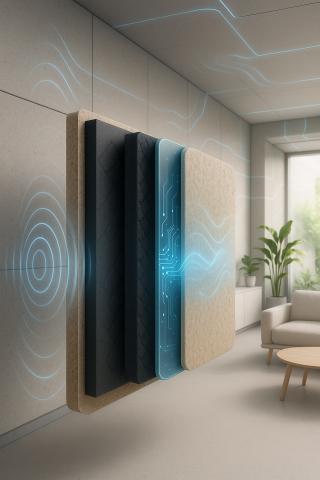
When used together, these two types of materials provide a robust dual-layer solution to managing noise—absorbing what stays inside and blocking what tries to get in.
Powerhouse in the Middle: MLV Sound Barrier
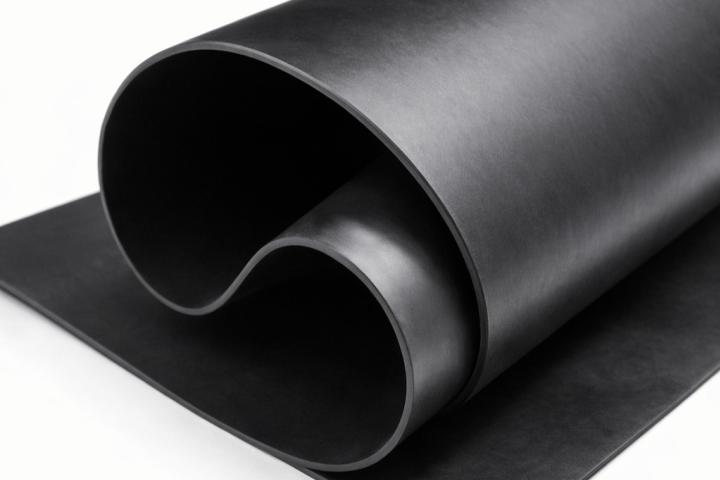
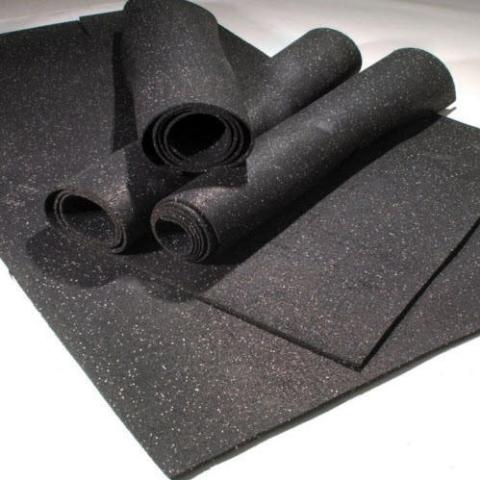
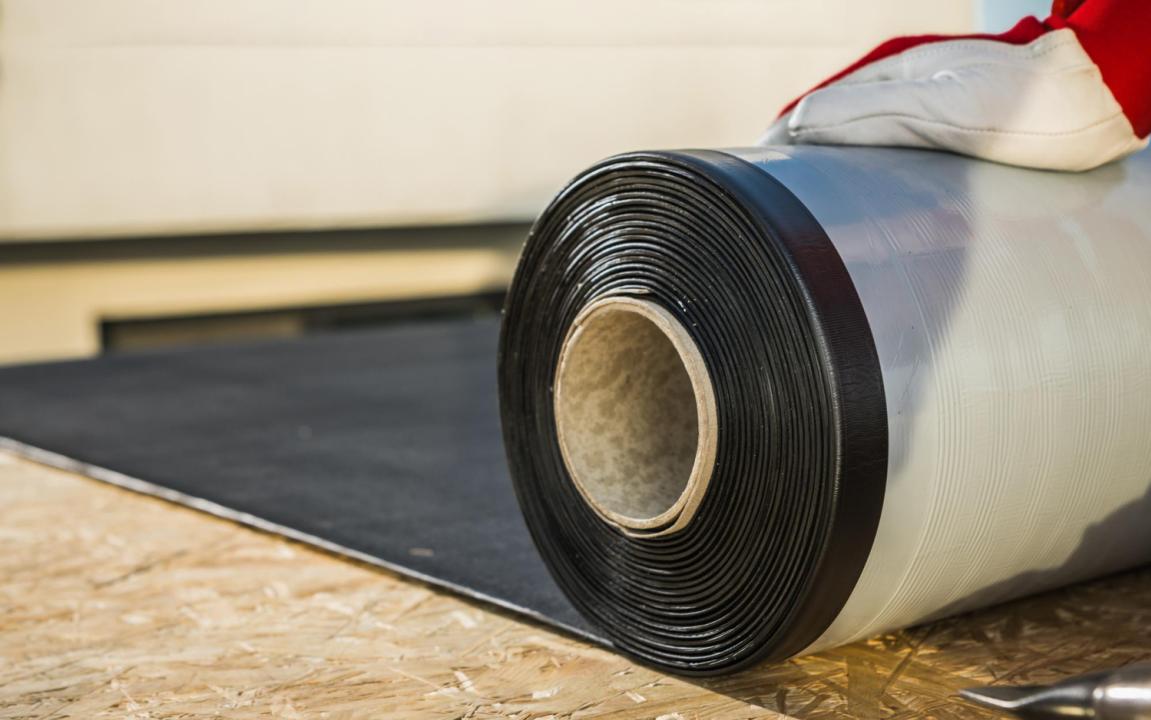
The unsung hero of modern soundproofing, the MLV Sound Barrier, short for Mass Loaded Vinyl, is one of the most effective materials for controlling sound transmission. This flexible yet high-density material is engineered to block noise across a broad range of frequencies, making it ideal for both commercial and residential soundproofing applications.
So, what makes an MLV Sound Barrier so special?
High Density: It uses added mass—not thickness—to block sound. This makes it incredibly effective despite being relatively thin.
Flexibility: Unlike rigid barriers, it can be easily cut and applied to walls, ceilings, floors, ducts, and even automotive interiors.
Versatility: It works great in combination with Acoustic Sheets and Sound Insulation Sheets, offering both absorption and isolation.
Whether you’re looking to block out noisy neighbors or isolate a home theater, an MLV Sound Barrier can be a game-changer in your acoustic strategy.
Meet the Champion: Mass Loaded Vinyl Sheet
The term Mass Loaded Vinyl Sheet is often used interchangeably with MLV Sound Barrier, but it’s worth emphasizing just how multifunctional and easy-to-install this product is. A Mass Loaded Vinyl Sheet can be installed behind drywall, beneath floors, or even over doors and windows.
Its performance is enhanced when sandwiched between other acoustic materials. For example, pairing it with Acoustic Sheets creates a layered sound control system that significantly reduces both airborne and impact noise. The Mass Loaded Vinyl Sheet is also moisture-resistant, flame-retardant, and durable, making it suitable for a wide variety of environments including industrial facilities and high-humidity zones like bathrooms or kitchens.
Applications Across Industries
The utility of Acoustic Sheets, Sound Insulation Sheets, MLV Sound Barriers, and Mass Loaded Vinyl Sheets goes beyond residential or recording studios. Here’s a look at how different sectors benefit:
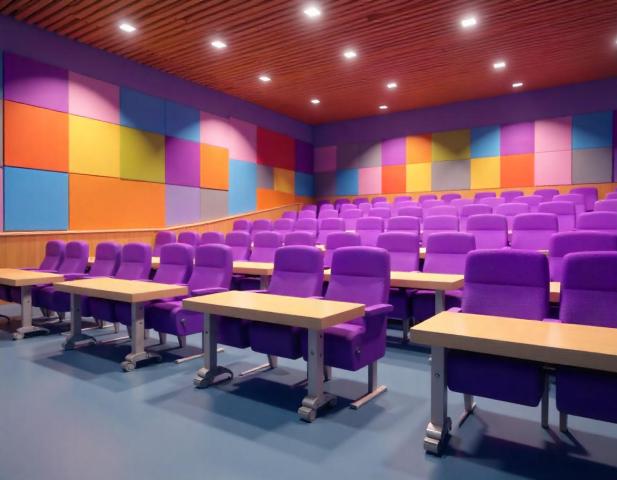
Education: Classrooms and auditoriums use these materials to improve speech intelligibility and reduce distraction.
Healthcare: Hospitals utilize them to maintain quiet zones for patients, ensuring better recovery environments.
Hospitality: Hotels install Sound Insulation Sheets in walls and ceilings to enhance guest comfort and privacy.
Workspaces: Offices adopt these materials to prevent noise leakage during confidential meetings and create more productive atmospheres.
Entertainment: Theaters and cinemas employ MLV Sound Barriers for ultimate sound containment and clarity.
Aesthetic Meets Functionality
Gone are the days when soundproofing solutions meant compromising on design. Today’s Acoustic Sheets come in sleek finishes, customizable shapes, and even printable designs to seamlessly blend into your interiors. Whether you want them to stand out as part of your aesthetic or blend in as invisible barriers of comfort, options abound.
Eco-Friendly and Safe
Modern Sound Insulation Sheets and Mass Loaded Vinyl Sheets are often made with eco-conscious and non-toxic materials. Many are free from lead, asbestos, and formaldehyde, ensuring safety for residential installations. Additionally, the longevity of these materials means fewer replacements and reduced waste, making them a sustainable choice in the long run.
Final Thoughts
Noise can be more than just an annoyance—it can affect your sleep, productivity, health, and overall well-being. Fortunately, with the smart use of Acoustic Sheets, Sound Insulation Sheets, and advanced solutions like the MLV Sound Barrier or Mass Loaded Vinyl Sheet, achieving peace and quiet is no longer a challenge.
Whether you're redesigning your home office, upgrading a commercial building, or simply trying to sleep better at night, integrating these soundproofing materials into your environment could be the single best investment in comfort and productivity you make this year.