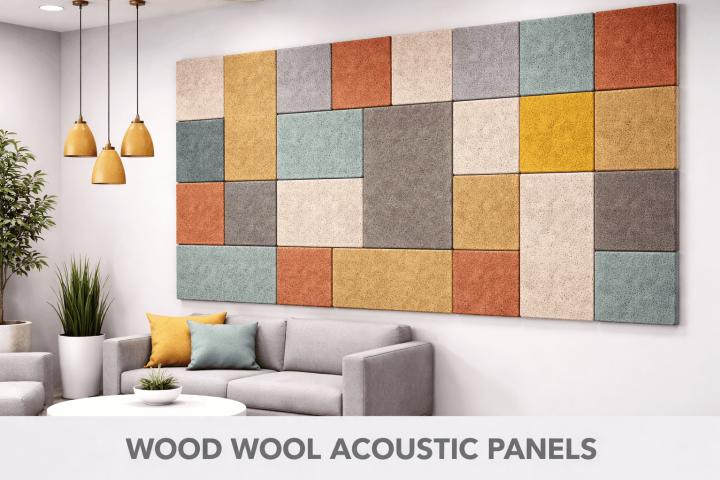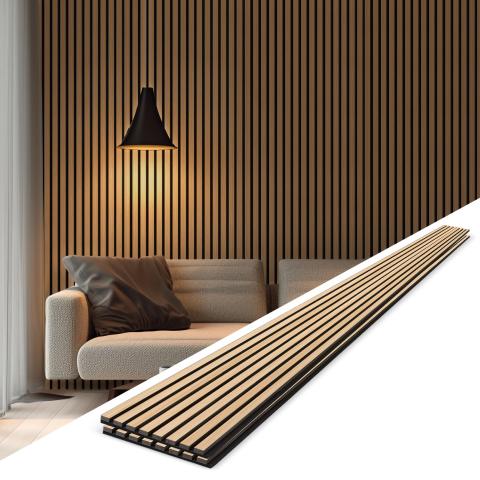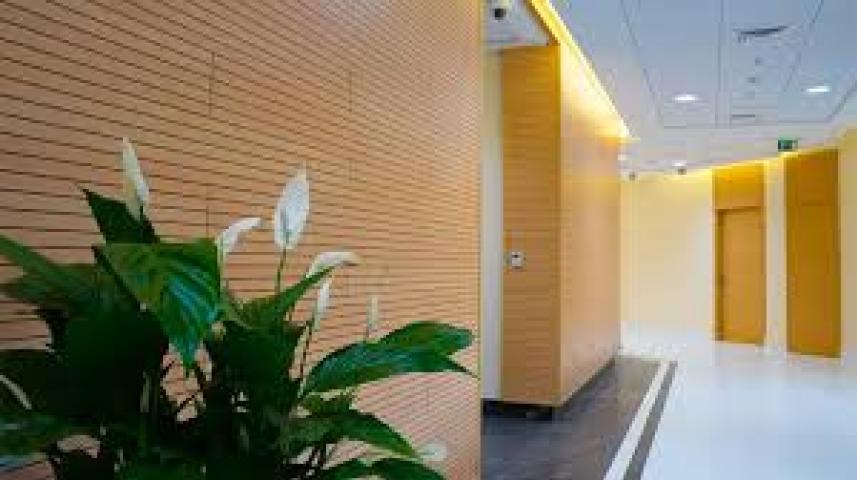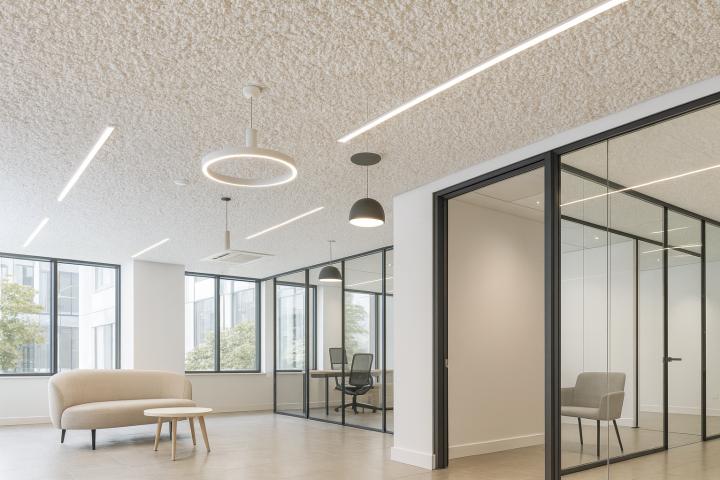

The demand for wood acoustic paneling is steadily rising, and it’s easy to see why. These panels offer a harmonious blend of aesthetics and function—enhancing both the acoustics and visual appeal of any space. Whether used in offices, auditoriums, homes, or commercial venues, wood acoustic paneling helps manage sound while giving interiors a natural, warm look.
However, as simple as the installation process might seem on the surface, several common mistakes can compromise both the appearance and performance of wood acoustic paneling. Whether you’re a seasoned contractor or a DIY enthusiast, avoiding these pitfalls is essential to ensure you get the best results.
1. Ignoring Room Acoustics
One of the biggest mistakes people make is treating wood acoustic paneling as purely decorative. While the panels look elegant, their primary function is to improve sound quality by controlling echoes and reverberations. Installing them without analyzing the room’s acoustic needs defeats their core purpose.
Before installation, consider conducting an acoustic assessment or consulting a professional. This ensures you strategically place the panels where they’ll be most effective—typically on walls or ceilings that reflect a lot of sound.
2. Improper Surface Preparation
Just like painting, installing wood acoustic paneling requires a clean, smooth, and dry surface. Skipping this step may result in weak adhesion or warping over time. Dust, moisture, or uneven walls can prevent the panels from laying flat, reducing both their performance and lifespan.
Make sure to:
Repair cracks or holes in the wall.
Level the surface.
Allow enough drying time if there’s moisture.
A properly prepared surface ensures the panels bond securely and look seamless.
3. Inaccurate Measurements
Wood acoustic paneling can come in various sizes, designs, and groove patterns. Incorrect measurements can lead to awkward gaps, misalignment, or unnecessary waste of material.
Take precise measurements of your wall or ceiling space—twice. Double-check the panel dimensions and plan how they’ll fit together. Always allow for a margin of error, especially if you’re cutting panels to fit around corners, vents, or fixtures.
Using layout tools or even creating a simple template can help visualize how the panels will appear once installed.
4. Skipping the Acclimatization Process
Another overlooked mistake is not allowing the wood acoustic paneling to acclimatize to the room’s temperature and humidity. Wood is a natural material, which means it expands and contracts with changes in its environment.
If you install the panels immediately after delivery, especially in a climate-controlled interior, you risk future warping or buckling.
To avoid this, leave the panels in the installation space for at least 48–72 hours before mounting. This helps them adjust to the room’s conditions, ensuring long-term stability and performance.
5. Using the Wrong Adhesive or Fasteners
Not all adhesives or fasteners are created equal, and choosing the wrong one can severely impact the effectiveness of wood acoustic paneling. Some adhesives might not provide a strong enough bond, while certain screws can damage the panel surface.
Refer to the manufacturer’s recommendations for compatible mounting materials. Depending on your surface, you may need:
Construction adhesive for drywall.
Mechanical fasteners for ceilings or concrete walls.
Clips or rails for removable panels.
Using appropriate fixings ensures your panels remain securely in place and maintain their visual integrity.
6. Ignoring Expansion Gaps
Wood needs room to breathe. One of the most common mistakes in installing wood acoustic paneling is placing the panels edge-to-edge without leaving expansion gaps. Over time, humidity can cause the panels to expand. Without space to move, they can buckle or crack.
Leave a small gap (typically 3–5 mm) around the perimeter of the installation to accommodate natural expansion and contraction. These gaps can be concealed later using trims or moldings.
7. Overlooking Maintenance Access
In some commercial or institutional setups, panels may cover access points to wiring, HVAC ducts, or plumbing. Installing wood acoustic paneling without considering future maintenance needs can lead to costly repairs or dismantling.
Always plan for access—whether through removable panels, trap doors, or other flexible installation methods. This foresight saves time, money, and frustration down the road.
8. Mismatched Finishes and Designs
Design coherence matters. Mixing different tones or finishes of wood acoustic paneling in the same space can result in a jarring look unless done intentionally as part of a design theme.
Ensure that all panels used are from the same batch or production series to maintain consistency in grain, color, and finish. If variation is part of the design plan, make sure it’s executed thoughtfully.
9. Neglecting Safety Measures
Safety during installation is paramount. Many people overlook basic safety protocols while working with wood acoustic paneling—such as wearing gloves, masks (especially when cutting), and using proper tools.
Furthermore, always ensure panels installed at height (especially ceilings) are anchored securely. Falling panels can pose serious hazards.
10. Poor Lighting Consideration
Lastly, many installers don’t consider how lighting interacts with wood acoustic paneling. Improper lighting can cast shadows on seams, emphasize imperfections, or dull the rich texture of the wood.
Position lighting to enhance the panel’s features—downlights or wall washers can highlight the texture, color, and grain beautifully. Thoughtful lighting not only adds dimension but also amplifies the panel’s presence in the room.
Final Thoughts
Wood acoustic paneling is more than just a stylish feature—it’s a powerful design element that improves the sensory experience of a space. When installed correctly, it brings warmth, sophistication, and acoustic comfort. However, even the best materials can fall short if installation is mishandled.
By avoiding these common mistakes, you can ensure your wood acoustic paneling lives up to its full potential—both visually and functionally. Whether you're working on a cozy home theater or a large corporate boardroom, attention to detail during installation makes all the difference.