In India, financial inclusion remains a challenge, especially in rural areas where banking infrastructure is limited, and access to basic financial services is often out of reach for many. The introduction of Micro ATMs has emerged as a groundbreaking solution to bridge this gap. Micro ATM provider are empowering small retailers, agents, and entrepreneurs in rural areas to offer banking services such as cash withdrawals, deposits, and money transfers. This transformation is enabling millions of unbanked individuals to access crucial financial services, and it is contributing significantly to the financial inclusion efforts in the country. In this article, we will explore how Micro ATM providers are revolutionizing financial inclusion in rural India and why they are so critical to the nation’s digital economy.
What is a Micro ATM?
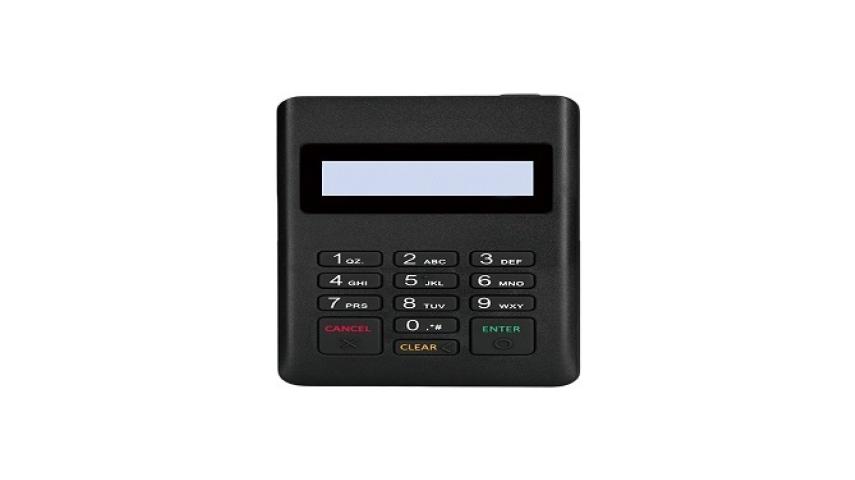
A Micro ATM is a compact, portable device that enables banking transactions without the need for a traditional ATM machine. It is typically used by bank agents or small business owners to provide basic banking services to customers in remote or underserved areas. Micro ATMs are connected to the bank’s core banking system, enabling them to perform transactions like cash withdrawals, balance inquiries, and money transfers.
These devices are powered by BBPS API Provider, which enable seamless integration with the bank’s systems, ensuring secure and efficient transactions. The Micro ATMs are often used in conjunction with the AEPS software for agents, allowing agents to perform banking activities on behalf of customers without the need for a physical branch or bank infrastructure.
The Role of Micro ATM Providers in Financial Inclusion
-
Bringing Banking Services to Remote Areas
One of the primary benefits of Micro ATMs is their ability to bring banking services to remote and rural areas. In many rural regions, people have to travel long distances to access a physical bank or ATM. This is both time-consuming and costly, especially for individuals living in villages where transportation options are limited. With Micro ATMs, these services are brought directly to local retailers and agents, who can offer banking services to their communities. This accessibility is a game-changer for rural Indians, who can now perform basic banking transactions without leaving their villages. -
Empowering Local Entrepreneurs
Micro ATMs empower local entrepreneurs and small retailers to act as banking agents, offering financial services to their customers. These agents earn a commission for each transaction processed through the Micro ATM, creating new revenue streams for small businesses. This model has proven to be highly successful in rural India, where retailers already have strong customer relationships. By becoming Micro ATM service providers, they not only expand their business offerings but also contribute to the local economy by supporting financial inclusion. -
Facilitating Cash Withdrawals and Deposits
In rural areas, cash is still the preferred method of payment, and many people do not have access to digital wallets or online banking. Micro ATMs address this issue by allowing individuals to withdraw and deposit cash directly into their accounts at nearby locations. This service is essential for rural customers who rely on cash for day-to-day transactions. With Micro ATMs, people can easily access their funds without having to travel to a distant bank, making banking services more accessible and convenient. -
Reducing Dependency on Bank Branches
Traditionally, banking services have been concentrated in urban centers, leaving rural areas underserved. The establishment of Micro ATMs is helping reduce the dependency on physical bank branches, which can be expensive to set up and maintain. Micro ATMs, on the other hand, are cost-effective and can be deployed quickly in areas with limited infrastructure. This decentralization of banking services allows financial institutions to serve a wider population without the need for a large physical presence in every village or town. -
Boosting Financial Literacy and Trust
Micro ATMs also play a crucial role in improving financial literacy in rural areas. By offering basic banking services, Micro ATM providers help educate rural consumers about the importance of saving, managing finances, and using digital payment methods. Over time, as people become more comfortable with using these devices, they are likely to embrace other digital financial services such as mobile banking and e-wallets, further promoting financial inclusion. -
Secure and Reliable Transactions
Security is a significant concern when it comes to financial transactions, and Micro ATMs ensure that all transactions are safe and reliable. These devices use AEPS banking software, which integrates with the Aadhaar-based payment system, providing secure and verifiable transactions. This eliminates the risks of fraud and errors that are often associated with manual cash-based transactions. By using biometric authentication, such as fingerprint recognition, Micro ATMs provide an added layer of security, ensuring that only authorized individuals can access their accounts. -
Government Initiatives and Financial Inclusion
The Indian government has been actively promoting financial inclusion through various initiatives such as the Pradhan Mantri Jan Dhan Yojana (PMJDY) and the Aadhaar-enabled Payment System (AEPS). Micro ATMs are in perfect alignment with these initiatives, as they allow beneficiaries to access government schemes, subsidies, and welfare benefits directly in their bank accounts. For instance, under PMJDY, individuals with bank accounts can withdraw government subsidies or pension payments through Micro ATMs, further enhancing financial inclusion in rural areas.
Conclusion
Micro ATM providers are playing a crucial role in revolutionizing financial inclusion in rural India. By bringing banking services closer to the people, empowering local entrepreneurs, and providing secure and reliable transaction options, Micro ATMs are helping millions of rural Indians access essential financial services. As a result, these devices are making it easier for rural communities to manage their finances, participate in the digital economy, and improve their overall quality of life.
Moreover, the integration of money transfer software, AEPS software for agents, and AEPS banking software has further enhanced the capabilities of Micro ATMs, allowing for faster and more secure transactions. With these advancements, Micro ATMs are not only providing a solution to the traditional barriers of financial access but are also paving the way for a more inclusive and digitally connected India. As the country moves towards greater financial inclusion, Micro ATM providers will continue to play a key role in shaping the future of banking in rural India.