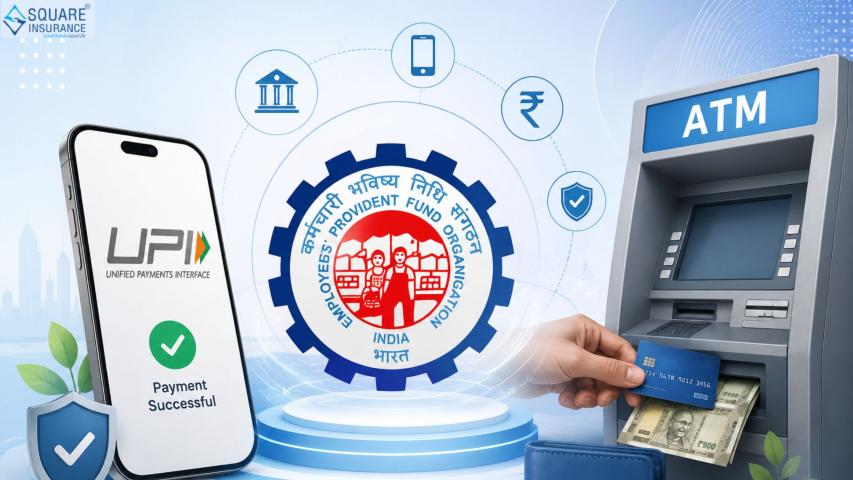
In the rapidly evolving digital economy, cashless payment solutions have become a crucial aspect of financial inclusion. In India, rural entrepreneurs often face significant barriers to providing traditional banking services to their customers due to limited infrastructure and access to banking networks. However, Micro ATM provider have emerged as a game-changer, offering an innovative way to deliver cashless payment solutions to rural areas.
These small, portable ATMs have empowered rural entrepreneurs by bridging the gap between traditional banking systems and the underserved rural population. By enabling cash withdrawals, deposits, money transfers, and balance inquiries in remote locations, Micro ATMs are transforming the way financial transactions are conducted in India’s rural economy.
What Are Micro ATMs?
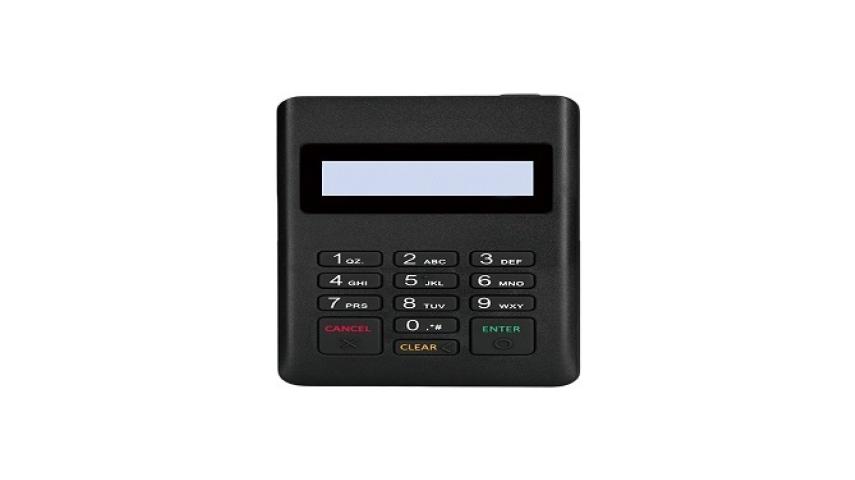
Micro ATMs are compact, portable devices that function similarly to traditional ATMs but are designed to be used in rural and remote areas where banking infrastructure is limited. They allow small business owners, often referred to as banking correspondents or agents, to offer a range of banking services, including cash withdrawals, deposits, and money transfers, without needing access to a bank branch or an expensive ATM infrastructure.
Micro ATMs are connected to a bank’s central server, enabling them to securely process transactions. These devices are typically operated using a mobile phone, a card reader, and biometric verification, ensuring a high level of security. Through the integration of BBPS API provider, entrepreneurs can also enable bill payments, mobile recharges, and other financial services through these devices, further enhancing their business offerings.
Empowering Rural Entrepreneurs
The integration of Micro ATMs into the rural business landscape has had a profound impact on entrepreneurs in India. These devices empower small business owners and shopkeepers by turning them into banking correspondents, offering a convenient way to provide banking services in areas where traditional banking infrastructure is absent.
-
Increased Access to Financial Services
For many rural entrepreneurs, access to banking services has been a challenge. Micro ATMs solve this problem by enabling small businesses to offer essential banking services to their customers. These devices allow users to withdraw cash, deposit money, and even transfer funds without having to travel long distances to reach the nearest bank branch. This is particularly beneficial for individuals in rural areas who may have limited access to banking infrastructure.
Entrepreneurs who operate Micro ATMs play a crucial role in improving financial inclusion by helping people in underserved areas access essential financial services. By providing these services, they not only help improve the financial well-being of their communities but also create a new source of income for themselves.
-
Creating New Business Opportunities
Micro ATM providers have opened up new business opportunities for rural entrepreneurs. By offering banking services in areas where there is little to no access to traditional banking, entrepreneurs can attract customers who rely on these services for their day-to-day needs.
For example, a rural shopkeeper who operates a Micro ATM can generate additional income by offering customers services such as cash withdrawals, bill payments, mobile recharges, and money transfers. These services are in high demand, particularly in rural areas where people have limited options for accessing financial services. By becoming a banking correspondent, entrepreneurs can diversify their offerings and boost their revenue streams.
-
Improved Cash Flow Management
Rural entrepreneurs often face challenges with cash flow management due to the reliance on cash transactions. Micro ATMs help address this issue by allowing businesses to process digital payments securely. Entrepreneurs can use these devices to accept payments via cards, mobile wallets, and other digital payment methods, reducing their dependence on cash and improving their cash flow management.
Digital payments also ensure that transactions are recorded accurately and in real-time, making it easier for entrepreneurs to track their sales, manage their inventory, and plan for the future. With the integration of BBPS API providers, these devices can also facilitate bill payments for utilities such as electricity, water, and mobile recharges, which can further streamline cash flow management for both entrepreneurs and their customers.
-
Promoting Financial Literacy
As Micro ATMs become more prevalent in rural areas, they also help promote financial literacy. Entrepreneurs who operate these devices often become key figures in educating their communities about the benefits of digital payments, the importance of saving, and the security features of banking transactions.
By interacting with customers and explaining the functionalities of the Micro ATM, entrepreneurs can play a critical role in demystifying digital banking. Over time, this increases financial awareness and encourages people in rural areas to engage more actively in the formal financial system.
The Role of BBPS API Providers in Micro ATM Services
The integration of BBPS API providers into Micro ATM devices has further expanded the range of services entrepreneurs can offer. BBPS (Bharat Bill Payment System) enables individuals to pay utility bills, recharge mobile phones, pay taxes, and more through a single platform.
By incorporating BBPS API providers into their Micro ATM networks, rural entrepreneurs can offer a variety of bill payment services to their customers, improving convenience and providing an additional revenue stream. The ability to process digital payments for bill payments, utility charges, and recharges makes Micro ATMs even more valuable for rural entrepreneurs looking to expand their service offerings.
The Future of Micro ATMs in Rural India
As digital payments continue to grow in India, the role of Micro ATMs in empowering rural entrepreneurs will only become more significant. The demand for cashless payment solutions is expected to increase, with more people in rural areas becoming accustomed to using mobile phones and digital wallets for everyday transactions.
Moreover, government initiatives aimed at promoting financial inclusion and digital literacy will likely boost the adoption of Micro ATMs in rural areas. With the continuous improvement in mobile network infrastructure and the increasing penetration of smartphones, Micro ATMs will become even more accessible and effective in reaching underserved communities.
Conclusion
Micro ATM providers have significantly empowered rural entrepreneurs by offering cashless payment solutions that bridge the gap between traditional banking and remote areas. These devices provide an accessible, cost-effective, and secure way for entrepreneurs to deliver essential financial services to their customers. By embracing money transfer software, AEPS software for agents, and AEPS banking software, rural entrepreneurs can continue to expand their service offerings and improve their business operations.
In the coming years, as digital payment adoption grows, Micro ATMs will continue to play a vital role in shaping the future of financial inclusion in India. Entrepreneurs who leverage these solutions will not only enhance their business prospects but also contribute to the broader goal of creating a more financially inclusive society.