How startups use their time and money to validate their ideas is key to achieving any new idea. Developing an MVP app, or Minimum Viable Product, is one pleasant way to speed up the positioning of an idea so that it can be evaluated and launched. Startups worldwide rely upon MVPs to minimize risk, get consumer input, and ensure they build what people sincerely need.
We will explore what makes an MVP app important for startups and how an MVP App Development Company can help you bring your ideas to the market quickly and cost-effectively.
Understanding What an MVP App Really Means
An MVP (Minimum Viable Product) app is the simplest form of a product that still works. The app consists only of the core features needed to tackle the key user need. The idea is not to have everything perfect, but to get the app into users' hands so you can learn and adapt.
Startups choose to make an MVP rather than spend months or years creating a full-featured app to:
Test demand
Reduce costs
Gather user feedback
Iterate faster
When startups go lean, they save resources for the functionalities people need.
Why Startups Choose MVP Over Full Products
Startups usually face time limits, financial constraints, and uncertainties. If startups release their full product early and their ideas are wrong, they will likely fail.
Here's why MVPs are preferred:
You'll get to market quickly because you can release your MVP in a few weeks instead of several months.
You save money because only the most essential features are made at first.
Use your app with real people to discover what works and what doesn't.
Data-driven growth means you can tell which features are essential to users and which are not.
Lower risk means you use less money to prove whether your idea will succeed.
It allows startups to adapt, fix issues, or grow their products based on real user feedback, not guesswork.
Key Characteristics of a Strong MVP App
Making a functional, usable app is more important than just cutting development short with an MVP. It is targeted, intended, and made for validating ideas. It should:
Solve a specific core problem
Deliver value immediately
Be usable and intuitive
Allow easy feedback collection
Be scalable for future updates
Conceive it as a high-quality machine that helps you learn fast. Your vision should be there, but the app shouldn't have unnecessary parts.
Examples of Famous MVP Apps That Scaled
A lot of famous apps that are used worldwide started with an MVP. Below are some popular cases:
Facebook: At first, Facebook was only for Harvard students and had a simple profile and friend feature.
Dropbox: At first, a video demo was used to determine interest before making any technology.
Airbnb was only a website where people in one city could rent air mattresses to see if the idea would work.
Uber: The first version allowed ride-hailing in San Francisco with a small group of drivers.
Instead of waiting to add every possible feature, these startups quickly tested their ideas and changed things based on user reactions.
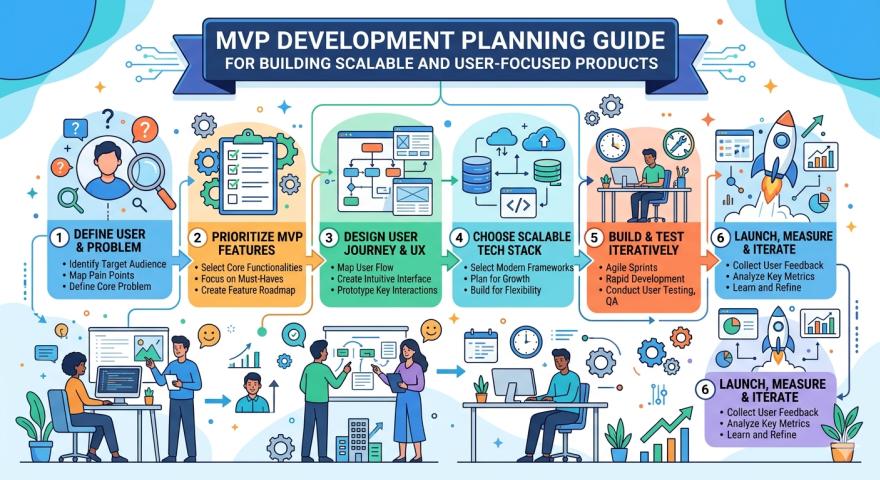
MVP Development Stages Every Startup Should Follow
Idea Validation: Make sure people have the issue your product will solve.
Feature Prioritization: Focus only on must-have features.
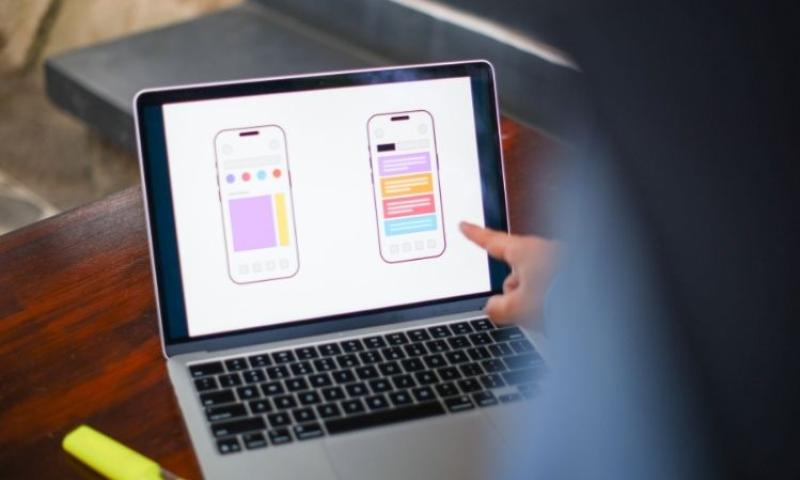
Wireframing & UI Design: Sketch a straightforward, user-friendly interface.
MVP App Creation: Develop the main features needed for the app so it can be tested.
Launch & Feedback: Put your app out for real users, see how they interact, and look at your key statistics.
Iterate or Pivot: Improve based on real-world data.
This process makes certain you spend your time on the most critical features.
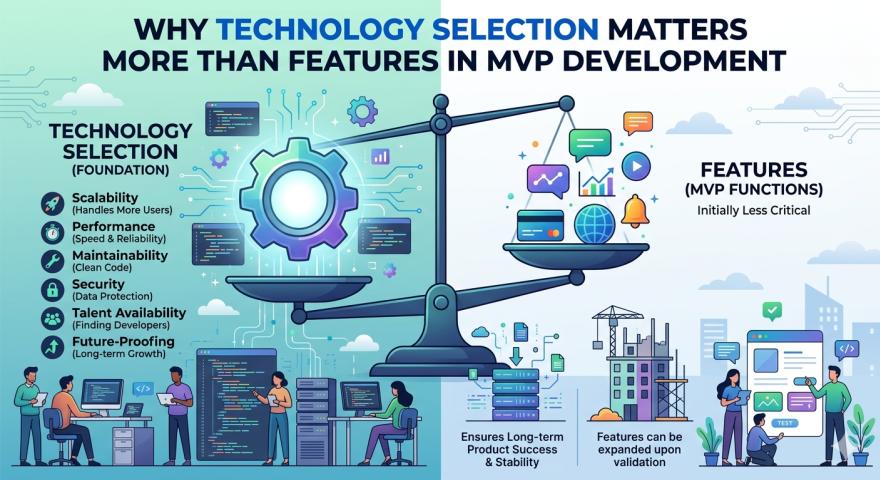
Tech Stack and Tools Used in MVP App Projects
Using the best tech stack for the task helps make sure your MVP is efficient, can grow, and is easy to change. Common stacks include:
Frontend: React Native, Flutter (cross-platform)
Backend: Node.js, Django, Laravel
Database: Firebase, PostgreSQL, MongoDB
Analytics: Mixpanel, Google Analytics
Payment Integration: Stripe, PayPal
Deployment: AWS, Google Cloud
The goal for an MVP is a dependable, fast launch, with scalability planned for the future.
Cost and Time Estimate for Building an MVP
Cost and timelines change based on your project's scope, what platform you use, and the place where your tech team works. On average:
Time: 4 to 12 weeks
Cost: $8,000 to $50,000
MVPs are more affordable options than building a whole app. Using ready-made apps or other ready-made code solutions can lower your costs and accelerate your timeline, particularly for on-demand or unique app ideas.
Choosing the Right MVP App Development Company
Making the right pick for your MVP's software developers can significantly improve its success. An MVP App Development Company specializing in this work knows why speed, flexibility, and validation make a difference. The right partner will:
Help refine your feature set
Design intuitive UI/UX
Build a scalable backend architecture
Ensure data security and compliance
Offer post-launch support and iterations
If your goal is the US market, partnering with a Mobile App Development Company in USA helps align times, ensures that you know the market well, and speeds up feedback.
Another option is to choose an on-demand App Development Company specializing in real-time applications for your service-based MVP prototype.
Choosing a Bespoke Software Development Company gives you an MVP tailored to your needs instead of generic solutions.
Common Mistakes Startups Make With MVPs
Even though MVPs can do a lot, they are frequently misunderstood. Avoid these pitfalls:
Overbuilding: Expanding the MVP with many extra functions takes away from its core strengths.
Ignoring Feedback: Learning from user behavior is more important than getting your MVP out immediately.
Skipping UI/UX: MVPs should still be user-friendly.
Under-Testing: An MVP full of software issues will not be well received.
Failing to Market: If your MVP is not made visible, you won't get the feedback you need.
If you hold to the MVP's goal of low-effort learning, you will likely see bigger future benefits.
Final Thoughts: Start Small, Grow Smart
An MVP isn't a shortcut; it provides a sensible, well-thought-out launching point. You get user insights, grow your user base, and validate your concept before investing much money. It's the fastest way for startups to validate new ideas, make changes if needed, and grow with proven results.
Using the right MVP and a solid partner allows you to create something valuable and usable for your users without running out of resources early on.
Ready to build your MVP? Whether you use a Bespoke Software Development Company, a readymade app, or a custom solution, focus first on what is essential to your users from the beginning.