
The global shift towards electric vehicles (EVs) is transforming not only how we drive but also how we finance commercial vehicles.
From last-mile delivery vans to electric trucks, the rising adoption of EVs is reshaping commercial fleet strategies—and, by extension, the lending landscape that supports them. Financial institutions are adapting to new risks, technologies, and opportunities brought about by the EV revolution.
A Surge in Electric Commercial Vehicles
Government regulations, sustainability goals, and rising fuel costs are pushing businesses to adopt electric commercial vehicles (ECVs). Logistics, transportation, and even small-scale service businesses are transitioning from diesel and petrol fleets to electric alternatives to reduce emissions and operational costs.
Major players like Amazon, FedEx, and UPS are already electrifying their fleets, while startups and SMEs are increasingly exploring financing options to join the movement.
Traditional Loans Meet New Challenges
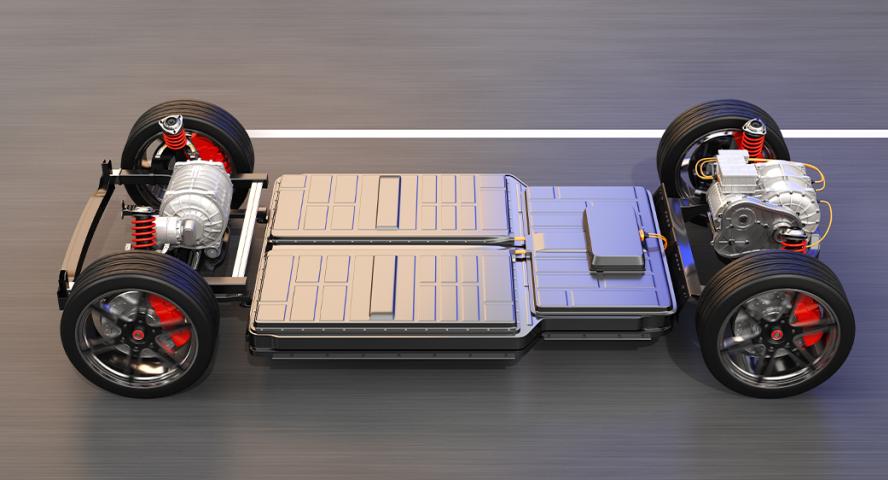
Historically, commercial vehicle loan have been designed around internal combustion engine (ICE) vehicles. Lenders assessed risks based on vehicle depreciation, maintenance costs, fuel consumption, and resale value. However, EVs operate under different dynamics. They tend to have higher upfront costs, but lower maintenance and running expenses. Additionally, their long-term value is more dependent on battery health and technology obsolescence.
This has led to a reassessment of risk models. Lenders are now looking at total cost of ownership (TCO) over the loan term, factoring in government incentives, lower operating costs, and the projected life span of the battery.
Rise of EV-Specific Financing Products
In response to these evolving needs, financial institutions are launching EV-specific commercial vehicle loan products. These often feature:
- Lower interest rates or subsidized loans in partnership with governments or EV manufacturers.
- Flexible repayment structures based on seasonal cash flows or mileage usage.
- Inclusion of charging infrastructure costs in the loan amount.
- Battery-as-a-Service (BaaS) options, separating battery ownership from the vehicle, reducing upfront cost and risk for borrowers.
Additionally, green finance initiatives and ESG (Environmental, Social, and Governance) mandates are encouraging banks to prioritize clean energy financing. Some lenders are offering preferential loan terms for companies switching to EV fleets, especially if they meet sustainability criteria.
Increased Role of Non-Traditional Lenders
Fintech companies, OEMs (original equipment manufacturers), and leasing providers are entering the market with innovative financing models tailored for EVs. Subscription models, pay-per-use plans, and bundled vehicle + service + insurance packages are giving businesses more flexible options. These models cater particularly well to startups and small enterprises that might struggle with traditional loan approval processes.
Looking Ahead: Smarter Lending for a Greener Future
As EV adoption grows, data will play a key role in commercial vehicle lending. Telematics, predictive maintenance data, and real-time battery health monitoring can provide lenders with deeper insights into vehicle performance and usage patterns. This will enable more dynamic and accurate risk assessments, potentially unlocking better rates for responsible fleet operators.
In conclusion, the shift to electric vehicles is not just a technological evolution—it’s a financial one. Commercial vehicle loan options are evolving to meet the demands of a cleaner, smarter, and more sustainable transportation ecosystem. For businesses looking to electrify their fleets, the right financing partner can make all the difference.