In the healthcare industry, compliance is not just about following guidelines—it's about ensuring safety, accountability, and operational integrity every day. Healthcare organizations must maintain strict oversight of their processes, equipment, training, and emergency readiness to meet the expectations of multiple regulatory bodies.
However, staying compliant is often a resource-heavy task. Hospitals and clinics are tasked with managing thousands of records—inspection reports, permits, certificates, safety logs—all while providing 24/7 patient care.
Unfortunately, many facilities still rely on outdated systems like paper files and disconnected spreadsheets. As a result, errors occur, audits become stressful, and safety is compromised. This is where healthcare compliance software proves invaluable.
The Realities of Modern Healthcare Compliance
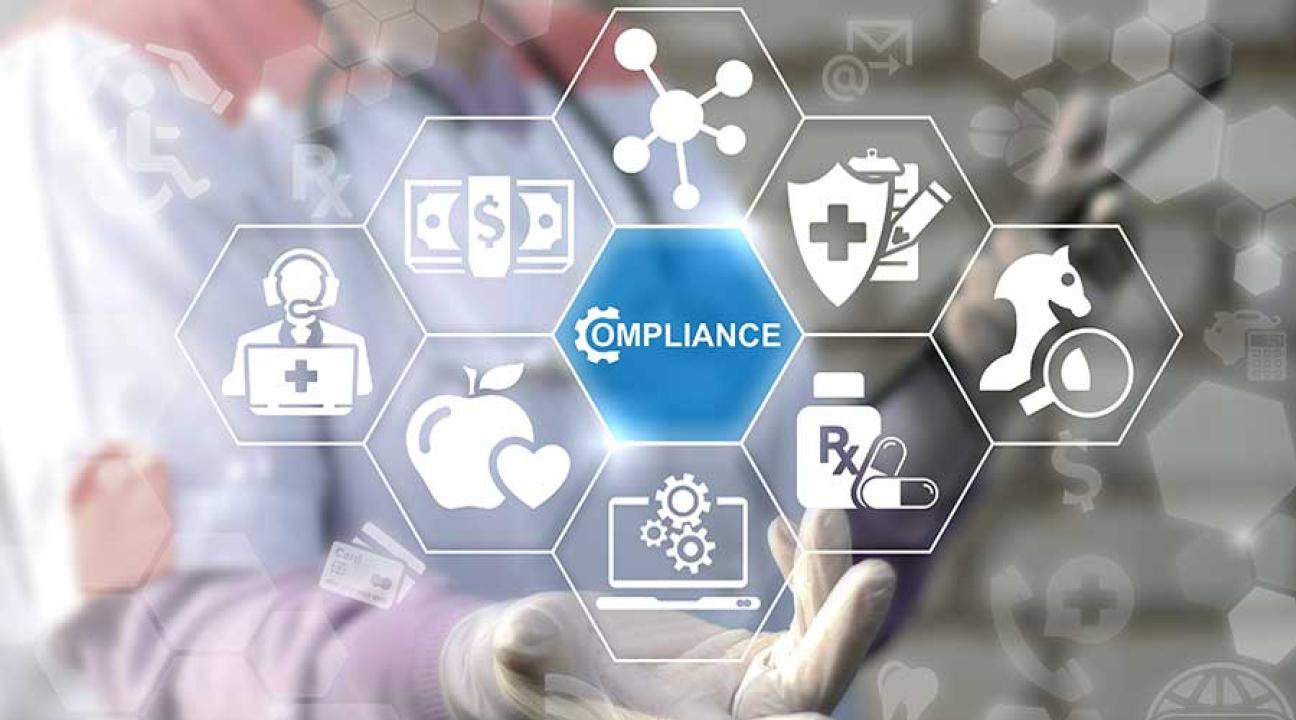
Compliance touches every area of healthcare operations:
-
Building safety and facility inspections
-
Infection prevention and sanitation protocols
-
Equipment testing and documentation
-
Staff certifications and policy acknowledgment
-
Emergency drills and incident reporting
-
HIPAA compliance for patient data privacy
Each category must be documented, tracked, and presented during regulatory audits or internal reviews. Manual tracking introduces risks—missed deadlines, outdated files, and a lack of accountability.
With lives at stake and reputations on the line, the cost of non-compliance can be severe. Fines, failed audits, operational shutdowns, and patient safety issues are real possibilities.
What Is Healthcare Compliance Software?
Healthcare compliance software provides a centralized, digital platform where healthcare organizations can monitor, manage, and document compliance activities.
The software is built to simplify complexity, offering:
-
Recurring task scheduling and automated alerts
-
Cloud-based document storage for fast retrieval and sharing
-
Audit logs with detailed activity histories
-
Dashboards for leadership to assess risk in real time
-
Role-based access for team members across departments
Instead of tracking dozens of spreadsheets or binders, staff can log into a single platform that houses all compliance information—clearly organized and instantly accessible.
How It Improves Day-to-Day Operations
Healthcare compliance software improves not only audit readiness but also daily workflows:
-
Facilities teams can monitor inspection schedules for fire alarms, sprinklers, and HVAC systems
-
Safety managers can log incidents and verify resolution procedures
-
HR departments can track licenses, immunizations, and safety training
-
Executives can assess compliance status across departments or multiple locations
This integrated approach reduces the likelihood of missing something important—especially during surprise inspections or emergency situations.
Staying Audit-Ready Year Round
Preparing for inspections doesn’t have to involve days of scrambling. With digital systems in place, healthcare facilities can produce required documents in minutes. Healthcare compliance software creates:
-
Automatic record-keeping of completed tasks
-
Digital documentation to show proof of protocols, training, and repairs
-
Real-time dashboards to highlight gaps before regulators find them
-
Mobile-ready formats that field teams can use during facility tours or emergencies
This level of readiness not only satisfies regulators—it builds confidence among leadership and staff.
Extending Compliance Capabilities in the Field
While compliance software centralizes operations, physical inspections and facility response often require mobile access to infrastructure information—especially during audits or safety events.
That’s where solutions like ARC Facilities become useful. ARC digitizes emergency shut-off maps, floor plans, equipment records, and inspection documents, making them accessible to facilities teams via mobile devices.
In tandem with compliance software, ARC Facilities ensures that compliance isn't just tracked—it’s actively supported in the field, in real time.
Conclusion
In a healthcare setting, compliance is an ongoing responsibility that demands coordination, transparency, and quick response. Manual methods no longer provide the accuracy or speed that today’s healthcare environments require.
With healthcare compliance software, organizations can confidently meet regulatory requirements, streamline inspections, and maintain operational control. And by pairing these tools with mobile-first platforms like ARC Facilities, facilities can ensure compliance reaches every part of the organization—from the boardroom to the boiler room.