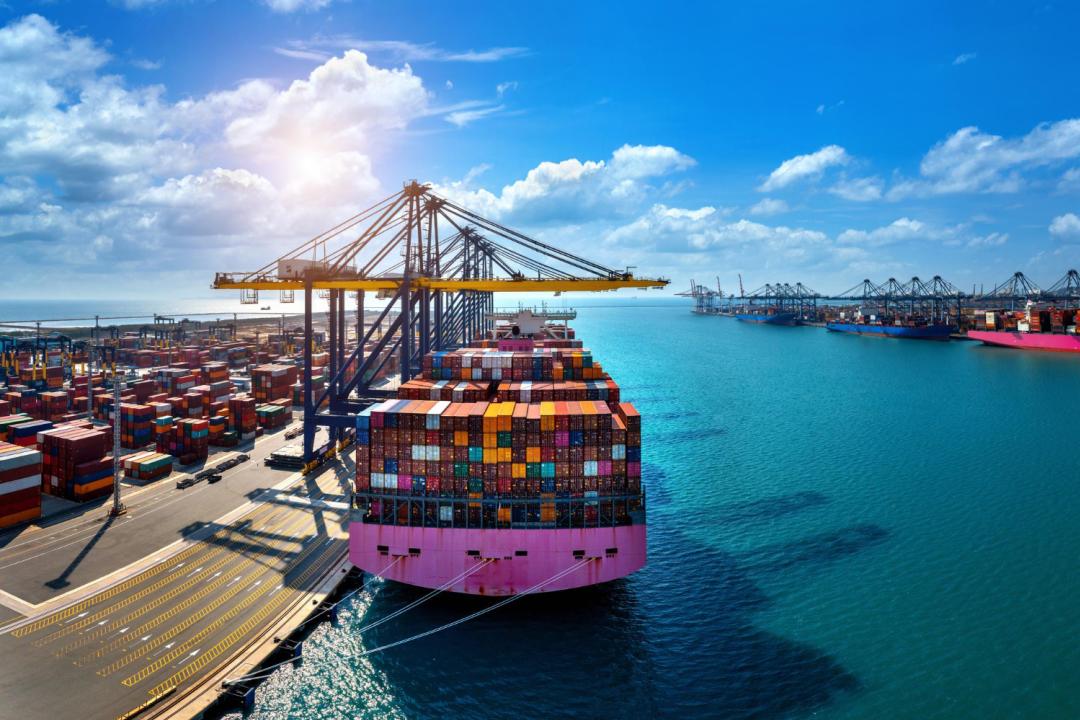
A wave of new U.S. tariffs has rattled importers and supply chains across the globe. President Trump recently announced sweeping import duties—from 25% on copper to hefty levies on industrial goods—that are already reshaping global transport and logistics networks.
Unpredictable Tariff Landscape
Tariff announcements have come in waves over recent months, targeting a broad range of imports: copper (50%), medications (potentially 200%), semiconductors, and goods from key trade partners including Japan, South Korea, India, and Brazil. This ongoing back‑and‑forth—with 90‑day negotiation pauses that repeatedly expire—has created a “Schrödinger’s Tariffs” scenario where duties are simultaneously looming, delayed, and uncertain.
Global Supply Chain Disruptions
Freight forwarders and logistics operators are seeing increased volatility. Many are choosing to stockpile goods up to tariff deadlines, divert to bonded warehouses, or shift sourcing to non‑tariffed regions . A recent IMF‑like analysis notes that U.S. average import tariffs have reached their highest level since 1936, increasing costs and stifling investment.
Rising Costs Passed to Consumers
Tariffs already cost U.S. importers about $24 billion in May—a steep rise from $7 billion in January. Those costs are being passed on via higher consumer prices: appliances saw a 4% increase month‑over‑month, while bananas rose 3%. Analysts warn this inflationary pressure may deepen into the second half of 2025.
Strategic Realignment of Trade Routes
Many importers are now actively seeking alternative supply regions. Southeast Asia—particularly Vietnam—has been spotlighted, yet even there, transshipments now face tariffs as high as 40% to block Chinese rerouted goods. Complex origin‑verification systems and traceability technologies are being adopted to navigate these barriers.
Operational Consequences for Transport Firms
Transport companies are adapting, but not without growing pains. Complex cross‑border regulations are forcing carriers to reroute, and customs agents are inundated with compliance demands. Lead times for sea and air freight have lengthened, while transportation costs surge—pushing importers toward risk-sharing agreements or shifting warehousing strategies.
Outlook and Recommendations
Monitor deadlines actively: With August 1 looming for multiple tariff measures, companies may need to expedite shipments before new duties are enforced
Optimize supply chains: Diversification and use of bonded zones offer temporary protection, though procedural complexity is rising.
Upsize customs compliance: Increasing documentation—proofs of origin, tariff codes—can reduce liability and surprise charges.
Plan for inflationary pressure: Expect rising logistics costs to feed into final product pricing; budgeting should reflect this.
Conclusion
U.S. importers are operating in a more volatile environment. For international transport providers and logistics experts, the imperative is clear: embrace flexibility, invest in compliance, and plan shipment timing strategically. That approach won’t erase uncertainty—but it can help soften the impact and turn tariff turbulence into competitive advantage.