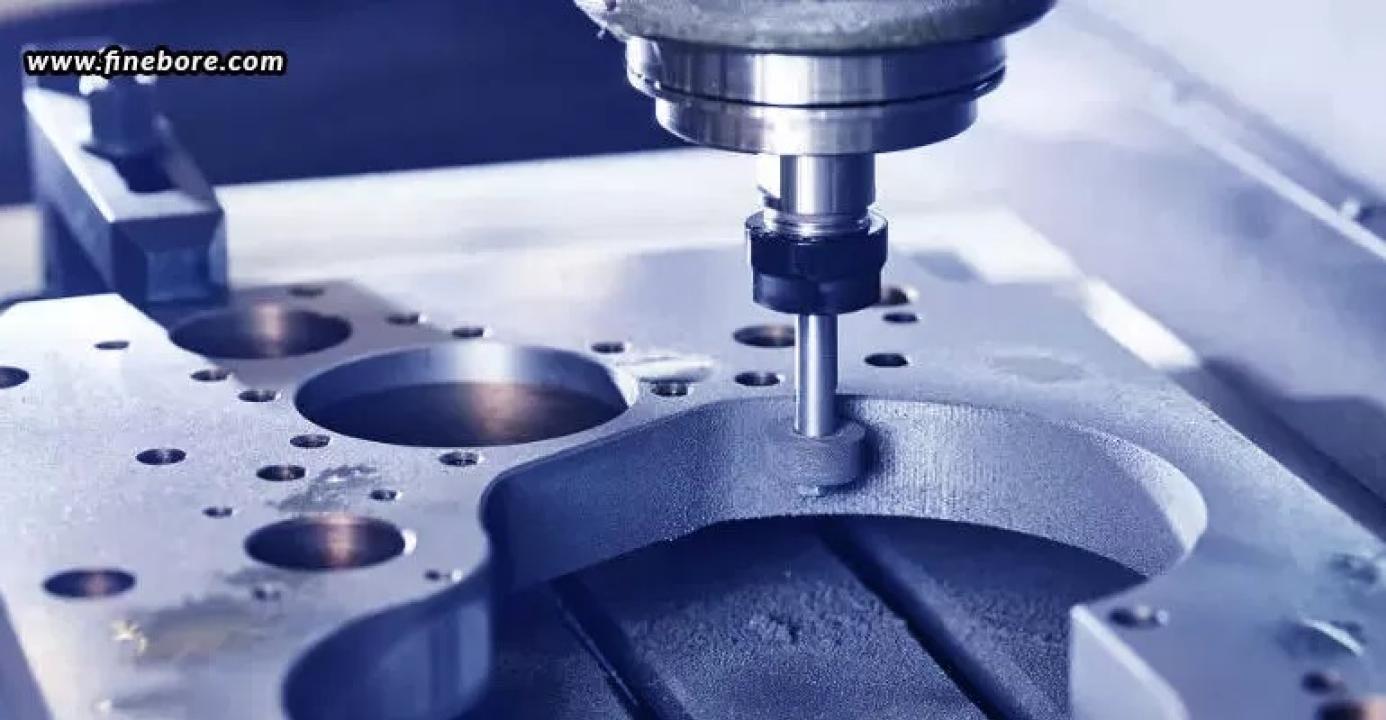
When one considers beauty in manufacturing, they typically picture sleek designs, polished surfaces, or impeccable assembly. It is very rare we can see discussions on the interior aspects – the bores, cavities, and internal surfaces. However, in high-end manufacturing, the internal elements are just as significant as the external ones. From aerospace turbine housings to orthopaedic implants and precision-cut wooden joinery, the surface finish produced by boring bars can significantly influence performance, aesthetics, and functionality. So, can boring bars be beautiful? Certainly! But, in their precision, quality of finish, control of geometry, and adaptability of materials.
The role of boring bars in achieving surface excellence
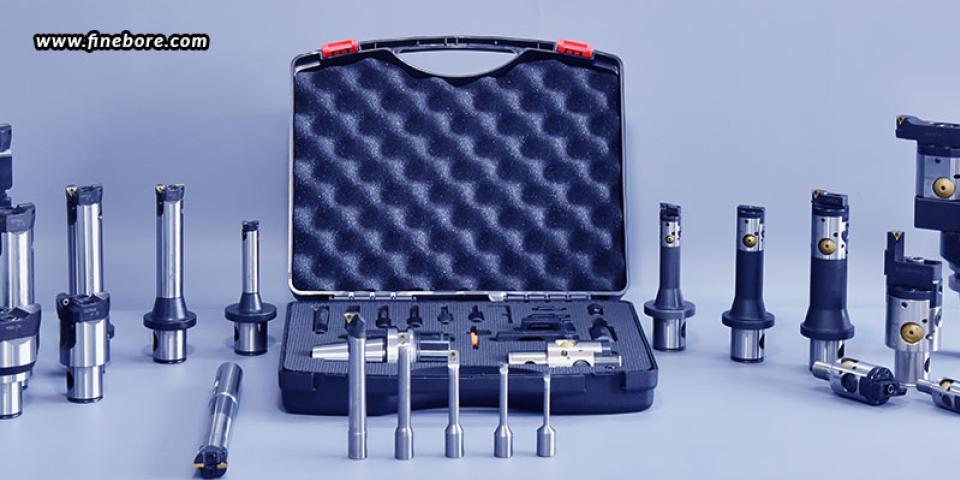
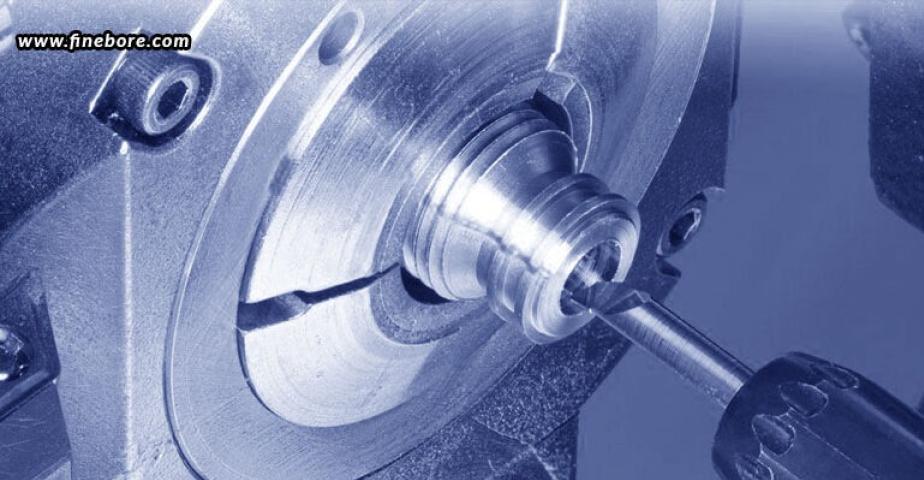
Boring bars serve as essential tools for enlarging and perfecting pre-drilled holes, ensuring accurate diameters, concentricity, and outstanding surface finishes. Although their primary function has always been operational, in premium applications, boring bars are also required to create visually impeccable and functionally superior internal surfaces. In the realm of machining, the aesthetic quality of a surface is assessed through several critical parameters – surface roughness measured in microns or microinches, surface texture and lay that denote the orientation and pattern of tool marks, dimensional precision that necessitate tolerances below 10 microns, and consistency that indicates a uniform finish across the entire bore depth. These attributes significantly influence not only the visual appeal of the part, but also its mechanical compatibility, wear resistance, bonding effectiveness, and the efficiency of fluid dynamics within the component.
Industries where surface finish is critical
Let’s examine the industries where the performance of boring bars is equally focused on finish as it is on tolerance.
Medical implants
In orthopaedic implants like hip joints, spinal cages, and dental posts, the internal surfaces must be impeccably smooth, often achieving roughness values below Ra < 0.2 µm. A smoother bore is essential for reducing bacterial adhesion, promoting the integration of bone with the implant, and minimizing patient discomfort or rejection. To meet these standards, boring bars utilized in medical applications are generally fitted with polished PCD inserts, microgeometry adjustments, and vibration-dampened shanks that provide ultra-clean, precisely controlled finishes.
Automotive components
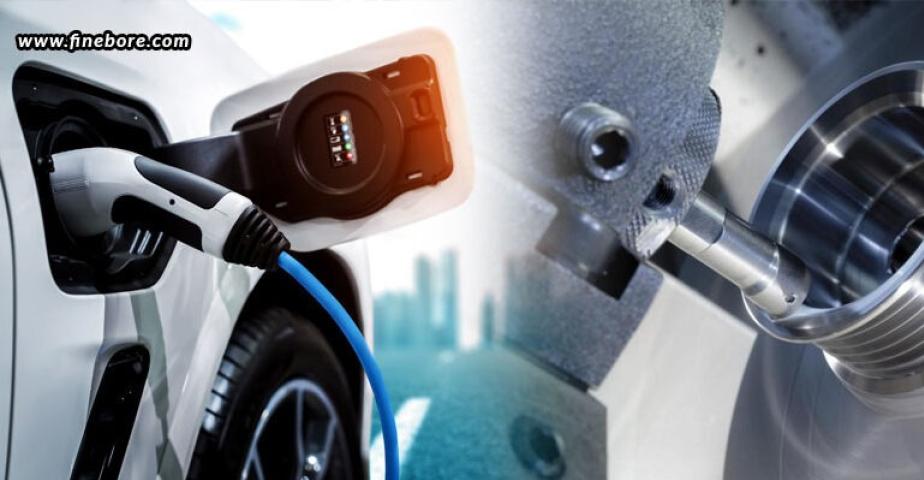
In high-end vehicles, even though some internal components are concealed within engine blocks or transmission systems, surface perfection is imperative. The bores in cylinder liners, turbo housings, and fuel systems affect oil flow, thermal management, and acoustic performance. These surfaces are frequently evaluated through visual inspection and laser profilometry, necessitating boring bars that guarantee tight concentricity and high surface uniformity, often within ±0.005 mm tolerances.
Aerospace engineering
In aerospace applications like jet engine housings and hydraulic valve bodies, the finish of internal surfaces plays a crucial role in fluid dynamics, pressure sealing, and fatigue resistance. Surface flaws within bores can serve as stress risers, which can shorten the structural lifespan of essential components. To address these challenges, aerospace-grade boring bars must ensure consistent chip removal, provide smooth finishes on difficult-to-machine materials such as Inconel and titanium, and manage thermal expansion and chatter, particularly during prolonged boring operations.
High-end woodworking & instruments
The need for precision surface finishes extends beyond metalworking. In the realm of musical instruments, fine furniture, and architectural woodwork, the quality of internal bores can significantly impact both aesthetics and functionality. For instance, the bore of a clarinet or a peg hole in a violin has a direct effect on tone, resonance, and playability. Likewise, in high-quality furniture joinery, polished bore surfaces enhance both fit and visual appeal. Achieving these finishes requires the use of diamond-tipped boring bars, low-RPM spindle speeds, and adjustable feed rates to minimize grain tear-out and create smooth, burnished surfaces that elevate the final product.
What influences surface finish during boring?
Achieving a superior surface finish in boring is not just about the tool itself; it results from a meticulously optimized system where each component contributes. Several crucial factors affect the final finish and must be harmonized to consistently produce smooth, precise bores.
Tool geometry
The design of the boring tool significantly influences how the material is machined and, as a result, the quality of the surface it produces. Positive rake angles facilitate smoother cutting but may weaken the tool when working with tougher materials. Polished cutting edges reduce friction and lessen burnishing marks, resulting in a more consistent finish. Furthermore, multi-insert heads are frequently employed to enhance tool balance and uniformity, especially in larger bores or interrupted cuts.
Insert material and coating
The choice of insert and its coating plays a vital role in determining the surface finish, particularly when machining various materials. PCD (Polycrystalline Diamond) inserts are optimal for achieving ultra-smooth finishes in aluminum and composite materials. CBN (Cubic Boron Nitride) is favored for hardened steels due to its resistance to heat and ability to retain edges. For high-speed operations in ferrous metals, TiAlN-coated carbide inserts offer remarkable durability while preserving surface quality.
Coolant delivery
Coolant is vital for effective thermal management and chip control. Through-tool coolant delivery systems are designed to keep cutting temperatures within optimal ranges and extend tool life. Mist or air blasts can be employed to remove chips and prevent recutting, which can damage the bore surface. Furthermore, proper coolant flow helps minimize the occurrence of built-up edge (BUE)—a frequent problem that negatively impacts finish quality and tool performance over time.
Spindle speed and feed rate
Achieving the right balance between spindle speed and feed rate is essential for achieving a high-quality surface finish. Although higher RPMs can enhance cycle times, they frequently lead to chatter and diminish surface quality. In contrast, lower RPMs combined with a well-optimized feed rate help ensure a steady chip load and minimize vibration, resulting in a more refined and controlled finish on the bore surface.
Tool deflection and vibration
Even the slightest tool deflection can result in noticeable spiralling, uneven surfaces, or chatter marks within the bore. This issue becomes particularly significant in long or deep bores. To address this, machinists utilize vibration-damped boring bars, sturdy tool holders, and maintain appropriate ratios between tool overhang and diameter. It is crucial to ensure structural stability throughout the machining process to maintain surface quality.
Innovations that make boring bars beautiful
Modern innovations are transforming boring bars into precision tools capable of delivering exceptional surface finishes with intelligence, adaptability, and control.
Digital-ready tools
Contemporary boring bars feature sensor-equipped heads that track vibration, temperature, and force in real-time, enabling proactive adjustments to uphold surface quality.
Modular boring systems
These systems empower machinists to modify radius, insert angle, or overhang, achieving flexibility in toolpath without compromising finish.
Mirror finishing inserts
Certain suppliers now provide nano-polished inserts with sub-micron edge preparation for high-purity alloys and biocompatible materials.
Software-driven feed control
Advanced CAM systems dynamically adjust feed during the boring process to minimize entry/exit marks, compensate for interrupted cuts, and enhance finish in multi-materials.
While tooling and machinery have progressed significantly, surface finish remains a hallmark of craftsmanship. A skilled machinist can detect through sound, touch, and sight when a bore is not operating smoothly, even if the measurements are accurate. Exceptional machinists optimize feed and speed ratios, modify coolant flow according to part behaviour, understand when to replace an insert versus honing an existing one, and treat boring as an art of finishing. Partnering with experienced manufacturers like FineTech Toolings – renowned boring bar manufacturers in India – ensures that such craftsmanship is supported by tools engineered for precision, stability, and surface excellence.
So, can boring bars possess beauty? Certainly! True beauty in manufacturing encompasses what is hidden beneath the surface – impeccable function, consistent performance, and unwavering quality. When boring bars achieve flawless surface finishes, they enhance both the part’s functionality and the brand’s integrity. Whether in aerospace flow chambers, titanium implants, or finely crafted violins, the internal finish represents the convergence of form and function. This, in itself, embodies a form of industrial beauty.
Resource: Read more