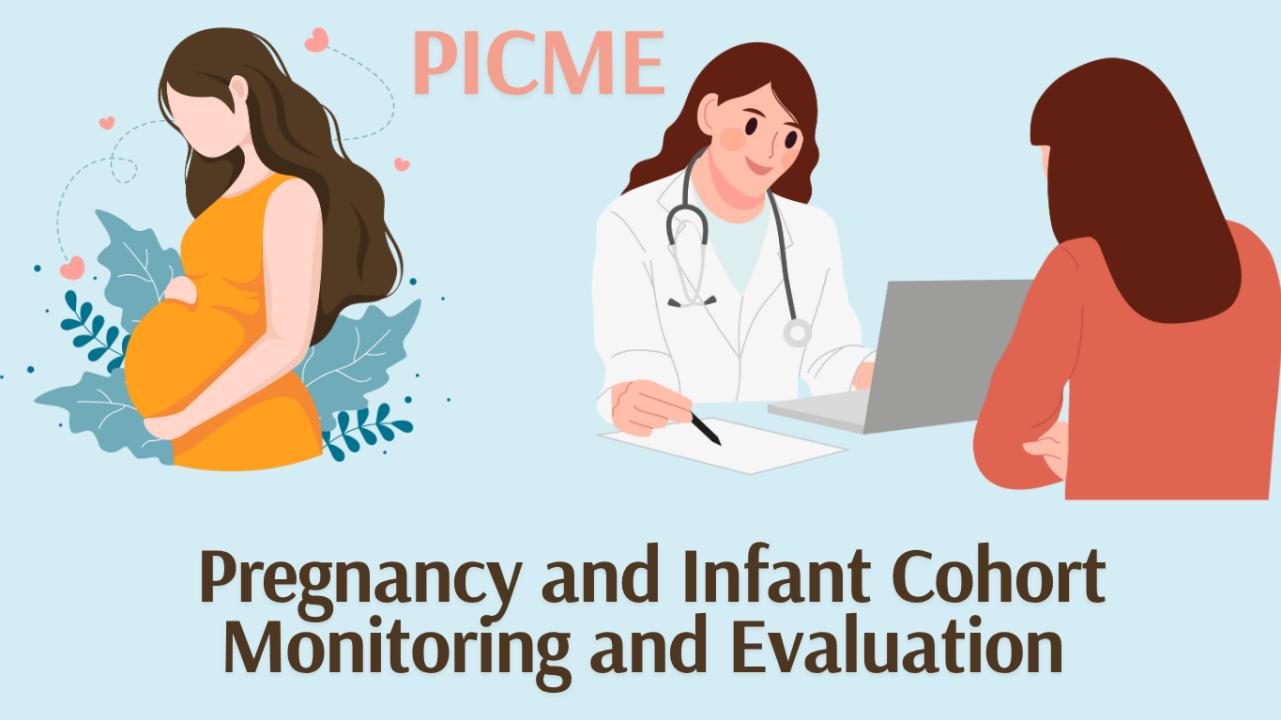
Pregnancy and Infant Cohort
Monitoring and Evaluation (PICME)
is a powerful digital platform initiated by the Tamil Nadu government to
strengthen maternal and child healthcare. Especially in Rural India, where access to timely care can be limited, PICME
plays a important role in bridging gaps, improving outcomes, and transforming
lives.
1. What is PICME?
- Definition:
PICME stands for Pregnancy and Infant Cohort Monitoring and Evaluation.
- Purpose:
It serves as an online registry for expecting mothers, newborns, and
infants up to one year old.
- Scope:
Covers prenatal visits, immunizations, growth monitoring, and health
interventions.
2. Why Was PICME
Introduced?
- To Systematize Data:
Before PICME, record keeping was fragmented across paper-based systems.
- To Improve Healthcare Delivery: A centralized registry helps in timely interventions.
- To Track Outcomes:
Government can monitor maternal mortality ratio (MMR) and neonatal
mortality rate (NMR) more efficiently.
3. How Does PICME
Work?
1. Registration
- Once a woman identifies her pregnancy, she visits a
local health worker or Primary Health Centre (PHC).
- She provides basic information: name, age, address,
estimated delivery date, etc.
- This data is entered into the PICME portal.
2. Assigning a Unique ID
- The portal generates a Personal Identification Number
(PIN).
- This PIN stays with the mother and links to her infant
after birth.
3. Antenatal Tracking
- Each ANC visit is logged: weight, blood pressure,
hemoglobin, tetanus vaccines.
- Alerts flag missed or delayed visits.
4. Birth & Delivery
Updates
- Hospital or home birth details are entered, including
delivery date, mode of delivery.
- Mother and newborn get linked under the same PIN.
5. Infant Follow-up
- Scheduled visits for immunizations and growth
check-ups.
- Child’s milestones and health metrics are recorded.
6. Notifications & Interventions
- Automated reminders prompt health workers for upcoming
ANC or immunization visits.
- If danger signs are detected, referrals to higher
centres are flagged.
4. Key Benefits in Rural India
1. Improved Coverage
- In Rural
India, pregnancies and births often occur at home.
- PICME increases detection of pregnancies and ensures
inclusion.
2. Timely Care
- Reminders ensure pregnant women visit PHCs on time.
- Early detection of high-risk pregnancies prevents
complications.
3. Data-Driven Decisions
- Real-time data lets health administrators identify
low-coverage areas.
- Resources can be redirected swiftly (e.g., mobile
clinics, ASHA training).
4. Reduction in Mother & Infant Mortality
- Studies show districts using PICME achieve improved
antenatal and immunization compliance.
- Tamil Nadu reports low MMR and NMR compared to
national averages—PICME contributes significantly.
5. PICME Features at a Glance
|
Feature |
|
Description |
|
Unique Identification |
|
PIN links mother-infant records
throughout pregnancy and first year. |
|
Online ANC Monitoring |
|
Tracks all vital antenatal
indicators digitally. |
|
Reminder System |
|
Automated alerts for missed visits
and immunizations. |
|
Immunization Linkage |
|
Child’s vaccines recorded and
tracked easily. |
|
Risk Classification |
|
Flags high-risk pregnancies for
extra care. |
|
Referral Management |
|
Tracks referrals and follow-ups. |
|
Reporting Dashboards |
|
Visual analytics for health admins
to spot trends. |
|
Offline Access |
|
Mobile tools allow community
workers to use in low-connectivity areas. |
. |
6. Implementation in Rural India
Community Health Workers
- ASHAs and ANMs carry tablets or smart phones to
register beneficiaries.
These digital tools replace paper, drastically reducing errors and delays.
Digital Infrastructure
- Wi‑Fi hotspots at PHCs and block-level offices.
- Offline app modes sync later when connectivity
returns.
Training & Capacity Building
- Health staff trained in data entry, smartphone usage,
and managing follow-ups.
- Regular refresher sessions reinforce skills.
Integrated Partnerships
- PICME integrates with broader health programs
(National Health Mission, IFA supplementation, Institutional Delivery
Schemes).
7. Challenges & Solutions
Connectivity Issues
- Many hamlets lack stable internet. The solution:
offline data capture capability with periodic syncing.
Digital Literacy
- Not all ASHAs are comfortable with tech. Conducting
hands-on workshops in local languages improves uptake.
Data Privacy
- Sensitive maternal and child data demands privacy
safeguards.
- Role-based access, secure logins, district-level
oversight minimizes misuse.
Resistance to Registration
- In some communities, traditional home births resist
digital tracking.
- Local awareness campaigns with village leaders
encourage pregnant women to register early.
8. Success Stories & Statistics
Tamil Nadu Performance
- One of the first states to pilot PICME.
- Currently has a >95% pregnancy registration rate
and very high immunization coverage.
Scaling the Model
- Neighboring states have adapted Tamil Nadu’s model.
- Gujarat, Himachal Pradesh, and even some northeastern states are exploring PICME->
Reduction in Mortality
- According to government reports, districts with
well-functioning PICME systems show significantly lower maternal and
neonatal mortality ratios compared to national averages.
9. How Rural Families Engage with PICME
Early Registration
- Field visits by ASHAs lead to early pregnancy
detection.
- Women receive their PICME PIN and a plan for ANC.
Home Follow-ups
- ASHAs check on the mother and child, record parameters
like baby's weight, breastfeeding practices, and immunization.
- Mothers receive counseling on nutrition and newborn
care.
Referral & Support
- High-risk pregnancies or low-weight infants receive
community or specialist referrals.
- Help with travel subsidies encourages hospital visits
when needed.
10. Tips for Maximizing PICME Impact
- Register Early:
Enrolling in the first trimester ensures full benefit.
- Use the PIN:
Mothers should note or store the PICME ID; it remains crucial for all
healthcare touchpoints.
- Attend All Visits:
Timely antenatal and immunization visits save lives.
- Ask for Treatment:
If symptomatic (swelling, bleeding, pain), insist on medical review PICME data helps follow up.
- Digital Hygiene:
Treat the PIN and app data as confidential; this ensures community trust.
11. Future Prospects
Mobile-Friendly Interface
- Plans are underway to enhance the PICME portal for
easy smartphone access by mothers themselves.
Real-Time Dashboards
- Expansion of health analytics at district/block level
to spot service lapses.
Machine Learning Integration
- Risk-prediction models (e.g., for anemia, pre-term
birth) may soon personalize care schedules.
Inter-State Interoperability
- Unified ID format could make PICME-like initiatives
cross-border, enabling better care for migrants.
12. Beyond Tamil Nadu: PICME’s Wider Vision
National Implications
- PICME is showing the blueprint for replicable digital
maternal‑child health solutions across Rural India.
Global Relevance
- Low- and middle-income countries are studying PICME to
adapt for local contexts.
Data-driven
Governance
- Central government could integrate PICME data with
Aadhaar and other health schemes.
13. Frequently Asked Questions (FAQ)
- What does PICME stand for?
PICME is Pregnancy and Infant Cohort Monitoring and Evaluation, a registry-based digital program. - Who should register in PICME?
Every pregnant woman in Tamil Nadu, especially in Rural India, should register at her first antenatal visit. - Is PICME registration mandatory?
It's strongly encouraged to access healthcare benefits, but technically voluntary. - How does PICME improve newborn health?
Through scheduled tracking, immunization reminders, and early detection of developmental or health issues. - What if I move between districts?
PICME’s online system lets your PIN be recognized across the state’s PHCs or government hospitals. - Can private hospitals use PICME data?
Yes, private providers (with government recognition) can enter information to maintain a complete record.
14. Final Opinion
PICME is a remarkable advancement in
maternal and child healthcare in Tamil Nadu, especially across Rural India. By digitizing pregnancy
and infant data, it ensures timely care, streamlines service delivery, and
empowers both communities and health systems. Successful implementation,
however, depends on early registration, consistent follow-up, digital
infrastructure, and community engagement. As more regions adopt PICME-inspired
programs, India moves closer to ensuring every mother and child receives the
care they deserve.