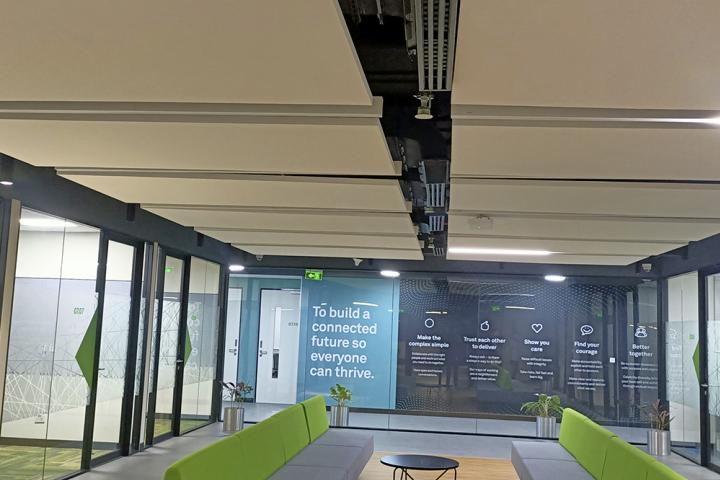

In modern interior environments—whether corporate, educational, hospitality, or residential—acoustics are no longer just an afterthought. The need for effective sound absorption, aesthetic flexibility, and sustainable performance has led many architects, designers, and space owners to choose polyester acoustic board solutions.
However, like any long-term investment, these panels require proper care and attention to maintain their functionality and appearance. This guide dives deep into essential care tips that will help you extend the life of your polyester fibre acoustic panel, keeping your spaces both sound-smart and visually pleasing for years to come.
Why Choose Polyester Acoustic Panels?
Before we delve into the care routine, let’s revisit why polyester acoustic board has gained such traction across industries.
Superior Acoustic Performance: Engineered to absorb mid to high-frequency sound waves, they help reduce echo and reverberation effectively.
Non-toxic & Eco-friendly: Made from recycled polyester fibers, these panels are safe for use in schools, offices, studios, and healthcare settings.
Low Maintenance: Unlike traditional acoustic materials, polyester panels resist moisture, pests, and mold—making them easier to maintain.
Aesthetic Freedom: They come in a variety of colors, shapes, and design formats to suit different interior themes.
That said, even the best materials need the right upkeep to preserve their performance and aesthetic appeal over time.
Daily Dusting Goes a Long Way
Though your polyester fibre acoustic panel may not be something you clean every day, simple and gentle dusting once every few days can prevent the accumulation of dirt. Use a soft, dry microfiber cloth or a low-power vacuum cleaner with a brush attachment.
Avoid harsh brushes, as they might damage the fibrous surface. Accumulated dust not only dulls the color but can also clog the sound-absorbing pores, reducing the acoustic performance of the panel.
Dealing with Spills and Stains
Stains can happen—especially in high-traffic or multifunctional spaces. The key is to act quickly and choose cleaning agents wisely. For general stains:
Use a damp cloth with mild detergent. Gently dab the area—do not rub.
For tougher stains, use a diluted vinegar solution (white vinegar + water in equal parts) and test it on a small portion before full application.
Avoid bleach, alcohol-based cleaners, or abrasive scrubbers, as these can damage the polyester acoustic board surface and compromise its integrity.
Always dry the cleaned area naturally and avoid exposing the panels to direct heat sources such as blow dryers or sunlight during the drying process.
Maintain Environmental Stability
Another overlooked factor in maintaining acoustic panels is the environmental condition of the space. Although polyester fibre acoustic panel materials are highly resistant to humidity and temperature changes, drastic fluctuations can still affect longevity over time.
Ensure that your HVAC system is functioning optimally to maintain a stable indoor climate. Proper ventilation will also help in avoiding dampness or condensation that could settle on panel surfaces.
Avoid Physical Stress and Impact
While polyester boards are fairly durable, they aren’t built to withstand heavy impact. Leaning furniture or objects against the panel walls can result in dents or deformities. If you’re using them in multipurpose or public areas, consider installing a protective frame or mounting them above typical reach zones.
Also, if panels are mounted using adhesives or clip systems, regularly inspect the fixings. A loosely hung panel might not only fall but can also get damaged during repositioning.
Periodic Deep Cleaning
Once every few months, a more detailed cleaning session should be considered. This might include:
Vacuuming all panel surfaces
Spot-treating minor stains
Inspecting for physical damage
Rechecking mounting or installation fixings
If your panels are installed in dusty or pollutant-heavy environments (like near open windows, air vents, or industrial areas), increase the frequency of these deep-cleaning checks.
Panel Rotation and Rearrangement
In areas where aesthetic consistency is critical, such as offices, hotel lobbies, or recording studios, rotating your panels (if movable) helps maintain even wear and color fading. Direct sunlight can cause some panels to fade more quickly than others. If you’ve installed panels with the same design across a wall, switching positions every 6–12 months can help maintain uniformity in appearance.
When to Consider Replacement or Retrofitting
Even with excellent care, no material lasts forever. If your polyester acoustic board starts to show signs of sagging, discoloration, or reduced sound performance despite regular maintenance, it might be time to consider replacing or retrofitting.
New advancements in polyester fibre acoustic panel technology allow for even better fire resistance, customization, and acoustic absorption than earlier models. Upgrading or mixing older panels with new designs can also refresh the look of your space while improving functionality.
Custom Maintenance Plans for Commercial Use
For commercial environments like open offices, co-working spaces, lecture halls, or airports, regular maintenance might need to be formalized. Consider setting up a service contract with your acoustic panel supplier or a facility management partner who understands the unique requirements of polyester acoustic board maintenance.
These plans can include scheduled inspections, deep cleaning, and performance checks, especially important for environments where acoustic integrity is non-negotiable.
Conclusion: A Small Effort for a Big Impact
Maintaining your polyester fibre acoustic panel may not demand much, but it does require consistency and care. From simple dusting to environmental monitoring and occasional deep cleaning, these steps ensure your panels deliver long-term value—both acoustically and aesthetically.