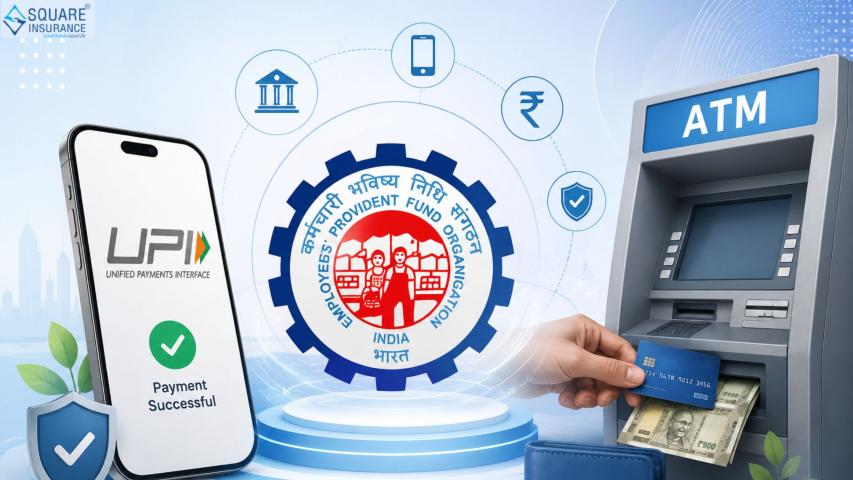
In recent years, Micro ATM have become a game-changer in India’s digital payment and banking sector. These small, portable machines allow retailers, agents, and small businesses to provide banking services like cash withdrawal, balance inquiry, and money transfers to customers—especially in rural and semi-urban areas where traditional bank branches are limited.
If you are thinking about investing in a Micro ATM for your business, it’s important to understand how they work, the benefits, costs, and the features to look for before making a purchase. This guide will help you make the right decision and get the most value from your investment.
What is a Micro ATM?
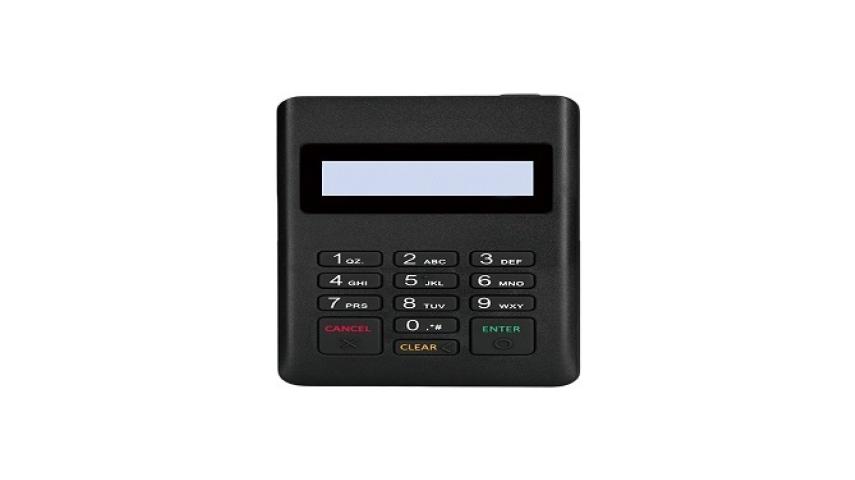
A Micro ATM is a handheld device that works just like a regular ATM but is designed for use by banking agents or retail stores. Customers can use their debit cards and Aadhaar-based authentication to carry out transactions.
These devices connect through a secure internet or mobile network and are linked with a bank’s system. Transactions are processed instantly, and customers get printed receipts or SMS confirmations.
Why Invest in a Micro ATM?
Micro ATMs are becoming popular because they solve a big problem—lack of banking access in rural India. By investing in one, you can:
-
Earn extra income through transaction commissions.
-
Attract more customers to your shop or business.
-
Provide essential services like cash withdrawal and balance checks.
-
Build trust in your community by offering reliable financial services.
Key Features to Look for When Buying a Micro ATM
Before you buy, here are the important features to consider:
-
Banking Network Support
Ensure the device is supported by major banks and works with both debit card and Aadhaar-based transactions. -
Portability
Choose a lightweight and compact device that is easy to carry. This is useful for agents who provide door-to-door banking services. -
Connectivity
A good Micro ATM should work with 2G, 3G, 4G, and Wi-Fi connections for better coverage. -
Security
Look for devices with end-to-end encryption and compliance with RBI and NPCI guidelines to protect customer data. -
Transaction Speed
Faster transaction processing improves customer satisfaction and allows you to serve more people in less time. -
Battery Backup
In areas with power issues, a strong battery backup ensures you can continue offering services without interruption.
Types of Transactions Possible with a Micro ATM
Most Micro ATMs support the following services:
-
Cash Withdrawal
-
Balance Inquiry
-
Mini Statement
-
Aadhaar Enabled Payment System (AEPS) transactions
-
Fund Transfers (depending on provider)
Some advanced models also allow utility bill payments and mobile recharges.
Choosing the Right Micro ATM Provider
The device is only one part of the investment. You also need to choose a reliable Micro ATM service provider who will handle backend operations and link your device with banking networks.
When selecting a provider, consider:
-
Reputation and reviews from other agents or businesses.
-
Transaction commission rates and settlement times.
-
Customer support availability.
-
Additional services like AEPS, mobile recharge, or bill payment integration.
Cost of a Micro ATM
The price of a Micro ATM in India can vary depending on the brand, features, and the provider you choose. On average, basic models start from ₹1,500 to ₹3,000, while advanced models with extra features can go up to ₹8,000 or more.
Apart from the device cost, there may be a one-time activation fee and ongoing transaction charges. Make sure you understand all costs before investing.
Earning Potential from a Micro ATM
Your earnings from a Micro ATM depend on:
-
The number of transactions you process daily.
-
The commission rate offered by your provider.
-
Additional services you provide through the same platform.
For example, if you handle 20–30 cash withdrawals a day, you could earn a steady monthly income along with attracting more foot traffic to your business.
Steps to Buy and Start Using a Micro ATM
-
Choose a Reliable Provider – Research well and pick a trusted Micro ATM service provider.
-
Complete Registration – Provide documents like Aadhaar, PAN card, and business proof.
-
Pay the Setup Fees – This may include device cost and activation charges.
-
Get Training – Learn how to operate the device and handle customer transactions.
-
Start Offering Services – Promote your new service to customers and nearby communities.
Advantages of Owning a Micro ATM
-
Expands your business services.
-
Low investment with high earning potential.
-
Helps rural customers avoid long travel to bank branches.
-
Creates a steady source of additional income.
-
Easy to use and maintain.
Final Thoughts
Investing in a Micro ATM can be a smart move if you want to expand your services, earn extra income, and support financial inclusion in your area. By choosing a reliable device and provider, you can ensure smooth transactions, better customer satisfaction, and steady earnings over time.
Before buying, compare different models, check features, understand costs, and ensure your provider offers strong support. A well-planned investment in a Micro ATM will not only grow your business but also make a positive difference in your community.