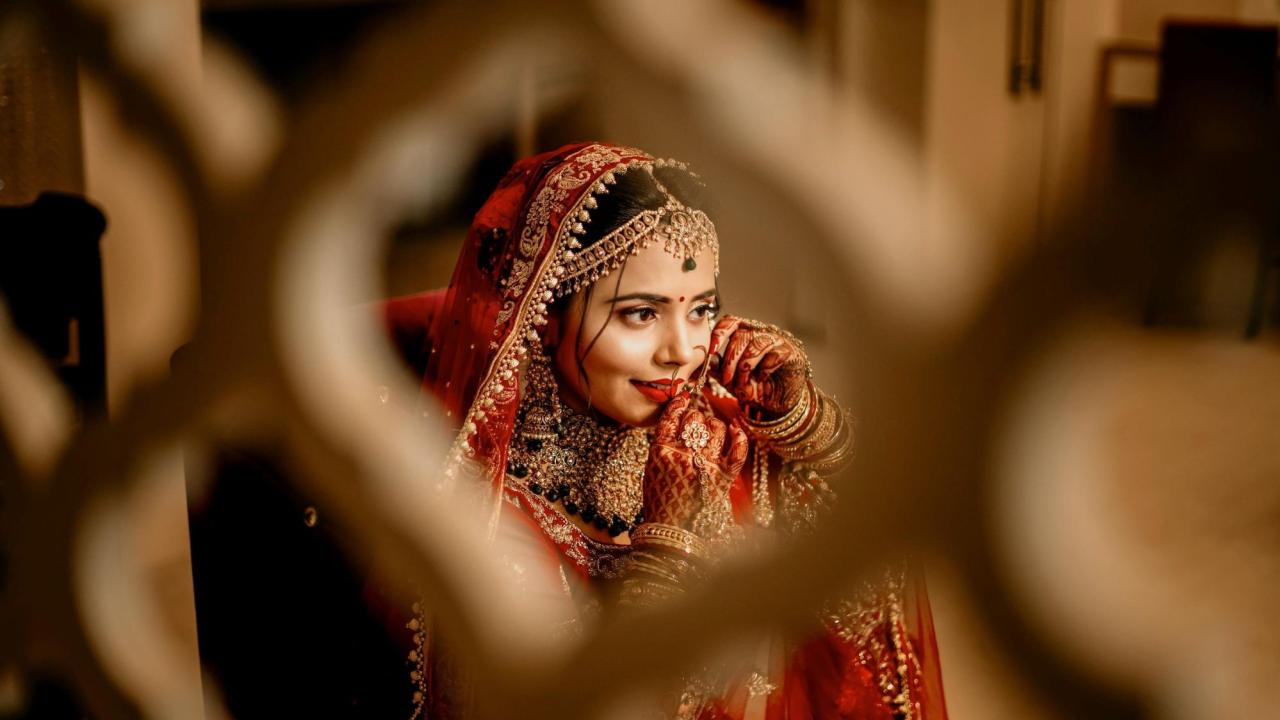
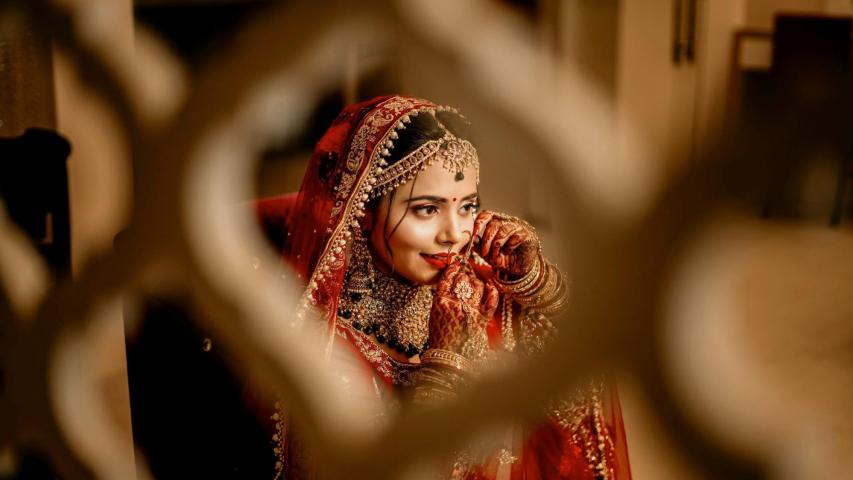
Indian wedding robes are stories in the making, no longer simply portions of garb. The Indian bride elects to don a swish saree or a wonderful lehenga choli, no longer just because she wants her apparel to reflect beauty, but moreover, life>
The apparel of the day, embellished with all the traditions to commemorate this extraordinarily enormous day, is Banarasi silk sarees, Kanjivaram sarees, and further Indian sarees. With a wonderful choice of Indian wedding clothes, you may have fun, beauty and tradition while making memories with the intention to create a lifetime.
Diverse Cultural Experiences
The Indian bridal robes were stock-in-trade of several centuries. The two places are conscious in their character, the beliefs, the practices, and history that influence the personality of each location.
These costumes enable the brides to identify themselves with their roots and the process of the wedding ceremony gets even more tremendous. Traditional >
Fine Handicrafts And Detailed Embroidery
Indian bridal dresses used in weddings have beautiful embroidery. Zardozi, Gota Patti, and chikankari are the various forms of skilled artisans that make up attractive designs.
Every stitch is a story which contributes personality to the outfit. Each bride's ensemble is a piece of art thanks to handmade details that ensure individuality. The level of expertise needed highlights India's long-standing artistic traditions.
Terms To Know About Indian Wedding Clothes
There are a few terms you should be aware of if you're just beginning your search regarding Indian wedding guest apparel. To assure a smooth buying experience, you could learn about a number of the most popular designs of Indian engagement guest apparel below.
Lehenga: Lehenga is a 3-piece look for girls which consists of dupatta (like head mask or scarf), a skirt and the top. In most cases, it is only put on through special occasions such as holidays or weddings.
Dressing by women in the form of a single flowing piece of cloth loosely sewn, which covers every inch of a woman is called a saree (usually spelt sari). Various ways of wearing this depend on the preference of the wearer.
Punjabi Suit: A Punjabi suit is also known as Salwar kameez, this is a suit created especially to fit the women and it can be compared to a kurta pyjama set. It comes in 3 segments; dupatta, trousers and tunic.
Kurta Pyjama Set: Often, certainly known as a kurta, a kurta pyjama (or pyjama) set consists of a loosely tailor-made tunic top and matching trousers. Anyone can wear it since it is seen as gender neutral.
Men's ceremonial clothing is known as a sherwani. It is a long, button-down coat that frequently has embroidery or other embellishments on it for ornamentation.
Indian Wedding Colours: What To Wear And What Not To
Colour is a crucial consideration while choosing the outfit for your Indian wedding guests. "The most important part of the traditional acceptable attire for an Indian wedding has become to wear colour," experts assert.
However, no matter what time of the year or where the wedding is taking place, bright and festive colours never go out of fashion at the Indian wedding. During the night we like to stick to jewel tones and watercolours during the day.
Bright colours are encouraged because Indian weddings are joyous; however, some are customarily forbidden. "Guests should try to avoid wearing red, since the bride typically wears red," experts state.
Wonderful Jewellery And Accessories
Indian bridal wear cannot be complete without the right jewels. Several jewellery such as bangles, chokers, Maang Tikka among others are used as bridal accessories by the bridal parties. All the decorations add elegance to the dress.
Most traditional jewellery are sentimental and may even have a tag as they are passed down the generations. Payal (anklets), kamarbandh (waistbands), or embroidered dupattas are jewels which make a royal bridal ensemble complete.
Different Draping Styles
Indian bridal gowns are available in quite a number of >
Gorgeous Outfits For Expressing The Correct Feelings
Everyone appreciates those wedding gowns for the days they are stored in the vault of memories for future viewing, as well as for the one-day wear.
The camera is aided by the brilliance of the Banarasi, whose silk saree is similar to that of the Kanjivaram saree, and the >
Final Words
The Indian wedding dress is combined with grace, craft and culture. Complexity of the design is joined with luxury materials and figurative elements, which makes the piece outstanding.
It does not matter whether an Indian bride wears a modern and pastel silk saree or a traditional crimson lehenga, because her clothes always will be a significant story. Indian wedding attire can be considered as a matter of beauty since just like the very culture it has undergone transformations in order not to forget its rich past.